Expert Support
Available 24/7 via chat
Available 24/7 via chat
Available 24/7 via chat
Available 24/7 via chat
You've got your costume sorted. The wig is on point, the outfit is perfect — but now comes the question that trips up so many Halloween shoppers, parents, and cosplayers alike: do you reach for face paint or costume makeup?
At first glance, "costume makeup vs face paint" seems like a simple question, but the answer really does depend on who's wearing it, what the occasion is, and how long you need the look to last. Both categories have their strengths, and knowing the difference between them will save you from a streaky, faded, or uncomfortable face at the worst possible moment. Let's break it all down so you can make the right call.
Face paint is exactly what it sounds like: paint formulated specifically to be applied to skin on the face and body. The key thing that makes face paint different from household craft paint is that it is designed and tested for skin contact, and quality products are non-toxic and FDA-compliant.
There are two main types of face paint:
Water-activated (or water-based) face paints are the most popular choice for casual events, kids' parties, and quick face painting sessions. They come in the form of a compressed cake or a cream that you activate with a damp brush or sponge. Brands like Snazaroo and Mehron's Paradise AQ line sit in this category.
Pros:
Cons:
Grease-based face paints use an oil or wax base rather than water. They tend to have a creamier, more emollient texture. Think traditional clown makeup or character face paints used in theatrical settings.
Pros:
Cons:
Costume makeup (also called theatrical makeup or stage makeup) is a broader category that encompasses products designed for dramatic, high-coverage looks. This is what professional stage actors, SFX artists, film crews, and serious cosplayers reach for when they need a look to last through hours under hot lights and cameras.
Cream makeup is the workhorse of the theatrical world. Brands like Ben Nye and Mehron produce extensive lines of cream foundations, character colors, and specialty shades. Applied with a brush or sponge, cream makeup delivers heavy, opaque coverage that can be blended smoothly.
To lock it in place, cream makeup is typically set with a translucent or colored setting powder. With the right setting technique, it can last 6–10 hours without significant fading.
For the most durable, transfer-resistant finish possible, alcohol-activated makeups are the gold standard. The most well-known formula in this category is PAX paint — a mixture of Pros-Aide prosthetic adhesive and Ben Nye Aqua Color or similar pigments. PAX paint is used extensively in film and television because it is essentially waterproof once cured.
Kryolan also produces a range of alcohol-activated makeups (called "Aquacolor Alcohol" and "Supracolor Alcohol") that are popular with professional makeup artists worldwide.
Pros:
Cons:
Here's a quick reference table to help you weigh your options at a glance:
| Feature | Water-Based Face Paint | Grease-Based Face Paint | Cream Theatrical Makeup | Alcohol-Activated Makeup |
|---|---|---|---|---|
| Coverage | Medium | Medium–High | High | Very High |
| Durability | 2–4 hours | 4–6 hours (with powder) | 6–10 hours (with powder) | 8–12+ hours |
| Ease of Application | Very Easy | Moderate | Moderate | Difficult |
| Removal | Soap & water | Cold cream / oil cleanser | Cold cream / micellar water | 99% isopropyl alcohol |
| Skin Safety | Very Good (FDA-compliant brands) | Good | Good | Use with caution (alcohol content) |
| Cost | Low ($5–$20) | Low–Moderate ($10–$30) | Moderate ($15–$40) | High ($20–$60+) |
| Best For | Kids, casual events, quick designs | Clown/character looks, parties | Cosplay, stage, photography | Professional SFX, film, all-day wear |
Face paint wins in several key scenarios, and it's often the smarter (and kinder) choice for everyday costume needs.
Water-based face paint is almost universally the go-to for children. Kids have more sensitive skin, shorter attention spans (which means the makeup session needs to be fast), and parents need something that washes off quickly at bath time. Snazaroo is one of the most trusted brands in this space — their face paints are hypoallergenic, dermatologist-tested, and widely available.
Mehron's Paradise AQ face paints are another excellent choice, popular with professional face painters at events because of their rich pigmentation and smooth consistency.
For kids under three, it is generally recommended to avoid face paint entirely and use costume accessories instead — but for school-age children, a quality water-based face paint from a reputable brand is typically safe and fun.
Planning to paint a butterfly on your face for the neighborhood Halloween block party? Going as a cat for a casual office costume day? Face paint is ideal. It applies fast, looks great, and doesn't demand a 45-minute setup routine.
Water-activated cakes are particularly beginner-friendly: wet your brush, swirl it in the pan, and paint. The learning curve is minimal, and the results are surprisingly vibrant.
For outdoor festivals, fairs, or school events where you might be around a face painter, water-based products are standard. Many professional face painters use split cakes and single-color pans from brands like Snazaroo or Global Colours to create detailed, beautiful designs in just a few minutes.
There are situations where face paint simply won't cut it — and theatrical makeup is worth the extra effort and cost.
If you're going as a specific character and need precise color matching, smooth gradient blending, or high-opacity coverage (for example, painting your entire face blue or gray), cream theatrical makeup will deliver results that face paint can't match. Ben Nye and Kryolan both offer an enormous range of colors specifically designed for character and fantasy looks.
Trick-or-treating with kids, attending a multi-hour Halloween party, or working a long shift in costume? You need durability. A properly set cream makeup can last through hours of activity, sweating, and general chaos. Use a quality setting powder (Ben Nye Banana Powder is a cult favorite) and finish with a setting spray to lock everything in.
If you're attaching prosthetics — a latex wound, a monster nose, a scar — you'll need theatrical-grade products. Pros-Aide adhesive, blending foundations, and PAX paint are all in this territory. The goal is seamless color matching between the prosthetic and the surrounding skin, which requires the flexibility, color range, and staying power that only theatrical makeup provides.
Cameras are unforgiving. Face paint can look flat under studio or photography lighting, while theatrical cream and alcohol-activated makeups photograph beautifully. If you're shooting a cosplay photo set, filming a short film, or want your Halloween photos to look polished, step up to theatrical makeup.
Here's a pro tip: you don't have to choose just one product type.
Many experienced cosplayers and makeup artists use a combination approach:
The key is layering in the right order. Cream products go on first, get set with powder, and then detail work can be added on top.
No matter which product you choose, a few prep steps will help your look go on smoother, last longer, and be kinder to your skin.
Start with a clean, freshly washed face. Apply a light, non-greasy moisturizer and let it absorb for a few minutes before applying any makeup or face paint. This creates a slightly smoother canvas and helps prevent over-drying with water-activated products.
This is especially important for children and people with sensitive or allergy-prone skin. Apply a small amount of the product to the inside of the wrist or elbow 24 hours before use. If redness, itching, or irritation develops, choose a different product.
In the US, face paint and cosmetic products used on skin must comply with FDA regulations for color additives and ingredient safety. Always buy from reputable brands — Snazaroo, Mehron, Ben Nye, and Kryolan all meet professional safety standards. Avoid cheap, unbranded face paints from dollar stores or unknown online sellers, which may contain ingredients not approved for skin use.
No face paint or costume makeup is officially approved for use inside the eye area. Keep all products at least a few millimeters away from the eyelid margin and never use non-ophthalmic products on the inner eyelid or waterline.
Removal is just as important as application — leftover makeup or face paint can clog pores and irritate skin if not properly cleaned off.
This is the easy one. Wet a cloth or sponge with warm water and gently wipe away the bulk of the paint. Follow with a gentle facial cleanser and rinse. Done. Most water-based paints from Snazaroo and similar brands come off cleanly with minimal effort — great news for parents dealing with post-Halloween bedtime routines.
Cream makeup does not respond well to water alone. Use a dedicated makeup remover:
Follow up with a gentle cleanser to remove any remaining oily residue, then moisturize.
This is where things get a bit more involved. You'll need 99% isopropyl alcohol (or a dedicated alcohol-based makeup remover). Saturate a cotton pad and gently press it onto the makeup, letting the alcohol break down the product, then wipe away. Be careful around the eye area and avoid excessive rubbing.
After removal, cleanse with a gentle, hydrating cleanser and follow with a good moisturizer — alcohol can be drying to the skin.
Whether you're picking up face paint for the kids or hunting down professional theatrical makeup for an elaborate cosplay, having the right retailer matters. At The Costume Shop (thecostumeshop.com), you'll find a curated selection of costume accessories and makeup options to pair with your outfit, from beginner-friendly kits to specialty looks. Browse the full costume range to find everything you need in one place — outfits, accessories, and the finishing touches that make a costume truly come to life.
Key brands to look for:
The costume makeup vs face paint debate doesn't have a single winner — it has the right tool for the right job.
Choose water-based face paint when you're working with children, need a fast and easy application, or want something that washes off with minimal fuss. Snazaroo and Mehron's Paradise AQ are the brands to reach for.
Choose cream theatrical makeup when you need serious coverage, all-day durability, or a polished finish for photos. Ben Nye and Mehron's theatrical lines are your friends here.
Choose alcohol-activated makeup when you need maximum staying power, are working with prosthetics, or need a truly professional result. Kryolan and Ben Nye both offer excellent options.
And if you're not sure? A combination approach — cream base, face paint details, and a finishing setting spray — gives you flexibility and longevity without requiring a professional kit.
Whatever you choose, prep your skin, patch test when in doubt, and always use products from reputable, safety-tested brands. A great costume deserves a great face to match.
Ready to pull your whole look together? Shop costumes, accessories, and makeup essentials at The Costume Shop and find everything you need to make this Halloween, cosplay event, or costume party your best one yet.
Attention all aspiring letter carriers and mail enthusiasts! Prepare to deliver a package of seductive style and naughty charm with our Sexy Post O...
View full details🚢 Navigate the High Seas of Fashion! Command attention at your next party with the Sailor's Delight Costume from www.Costume-shop.com. Perfect for ...
View full detailsGet ready to set hearts racing and temperatures soaring with our Hot Aid Nurse Costume! This seductive outfit is perfect for those who want to unle...
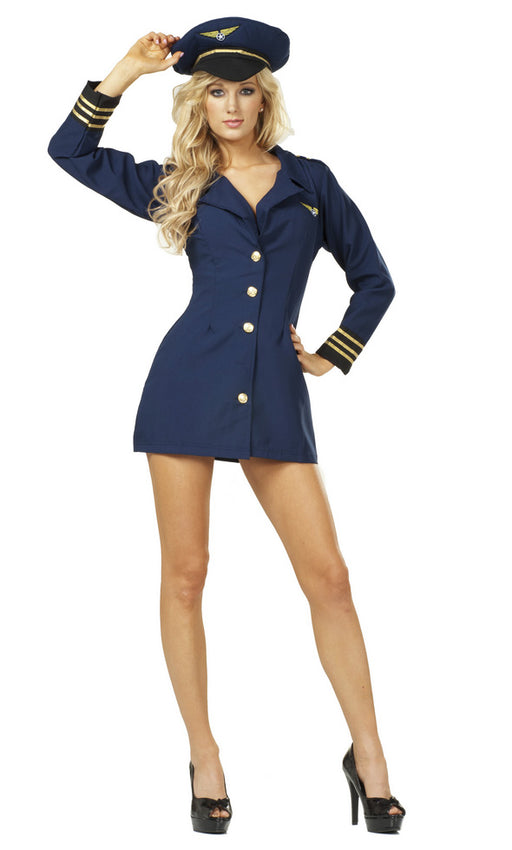
View full details🌐 Take Flight with Flair! Elevate your costume game with the Flight Captain Pilot Costume from . Perfect for themed parties, Halloween, or any even...
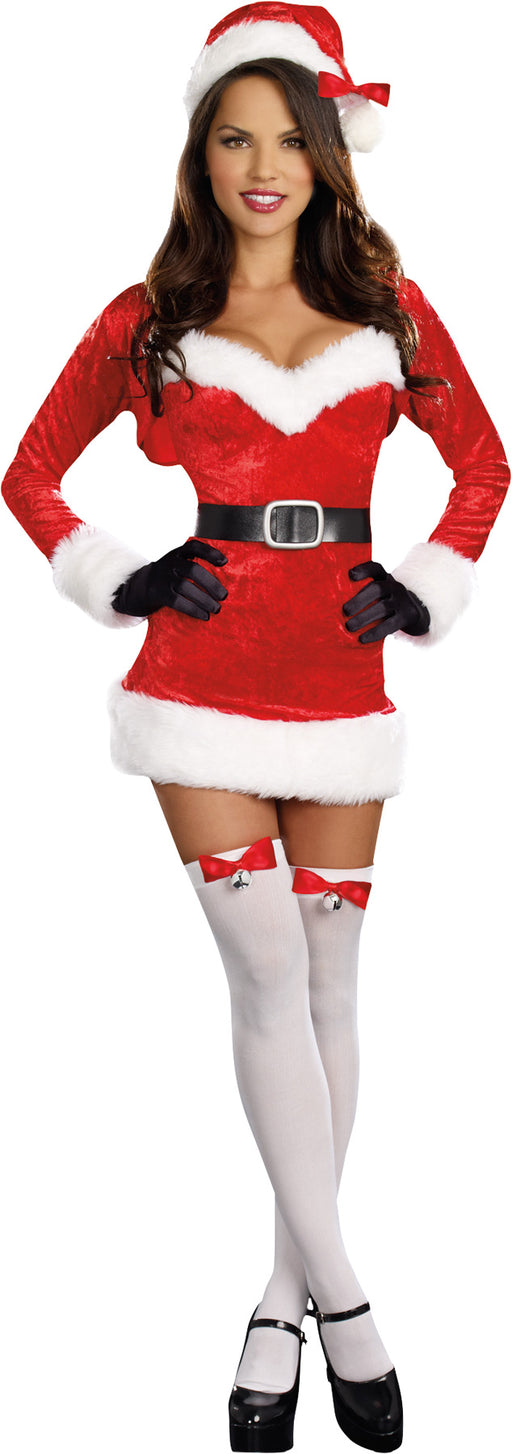
View full detailsGet ready to add some extra sizzle to the holiday season with our Santa Baby Costume! This festive and flirtatious ensemble is perfect for those wh...
View full details