

Working with Prosthetics in Costume Makeup
The world of costume makeup offers endless possibilities for creating unique and transformative looks. From fantastical creatures to elaborate characters, makeup artists have the power to bring imagination to life. One of the key tools in their arsenal is prosthetics, which can enhance a costume by adding depth, texture, and realism.
What are Prosthetics?
Prosthetics are artificial body parts that can be attached to a person's skin using special adhesives. In the context of costume makeup, prosthetics are typically made from materials such as latex or silicone and come in various shapes and sizes. They are designed to be applied to specific areas of the face or body to create the desired effect.
Prosthetics can range from simple appliances like scars or wounds to more complex pieces like horns or full-face masks. They can be pre-made or custom-designed based on the requirements of the character being portrayed.
The Process of Working with Prosthetics
Working with prosthetics requires careful planning and execution to achieve the desired result. Here is an overview of the process:
1. Designing:
The first step is designing the prosthetic piece based on the character's concept or reference images. This involves creating a sculpted mold that captures the desired shape and texture.
2. Casting:
Once the design is finalized, it is time to cast the prosthetic piece using materials like liquid latex or silicone. The mold is filled with the chosen material, and once it sets, the excess is trimmed away to create a clean edge.
3. Preparing the Skin:
Before applying the prosthetic, it is essential to properly prepare the skin. This involves thoroughly cleansing and moisturizing the area to ensure a smooth and clean surface for adhesion.
4. Applying Adhesive:
The next step is applying a specialized adhesive or prosthetic glue onto both the skin and the back of the prosthetic piece. It is crucial to follow the manufacturer's instructions for proper application.
5. Placing and Blending:
Carefully place the prosthetic onto the desired area, making sure to align it correctly. Once in place, gently press down to secure it firmly. To achieve a seamless blend between the prosthetic and natural skin, use makeup products like foundation or concealer to shade and blend the edges.
6. Painting and Detailing:
With the prosthetic securely in place, it's time to bring it to life through painting and detailing. Use professional-grade makeup products like alcohol-activated paints or airbrushing techniques to add color, texture, and any necessary special effects.
Tips for Working with Prosthetics
- Test Beforehand: Always conduct a patch test on a small area of skin before applying prosthetics to ensure there are no adverse reactions or allergies.
- Precision: Paying attention to detail is essential when working with prosthetics. Take your time during each step of the process to achieve a professional and realistic result.
- Blend Seamlessly: To create a seamless blend between the prosthetic and natural skin, use cosmetic products like alcohol-activated paints or specialized makeup blending techniques.
- Practice Makes Perfect: Working with prosthetics is a skill that improves with practice. Experiment with different techniques, materials, and tools to develop your proficiency in this area.
- Collaboration: If you're new to working with prosthetics, consider collaborating with experienced artists or attending workshops to learn from their expertise.
- Care and Removal: Properly care for the prosthetic by cleaning it after each use and storing it in a cool, dry place. When removing the prosthetic from the skin, use a gentle adhesive remover to avoid damaging the skin.
The Impact of Prosthetics in Costume Makeup
Prosthetics play a crucial role in transforming an actor's appearance and bringing characters to life on stage or screen. They add depth, texture, and realism that cannot be achieved through makeup alone. By incorporating prosthetics into costume makeup, artists have the ability to create truly breathtaking and immersive experiences for audiences.
Prosthetics also provide opportunities for self-expression and creativity. Whether it's designing intricate alien creatures or recreating historical figures, working with prosthetics allows makeup artists to push boundaries and explore new artistic possibilities.
In Conclusion
Working with prosthetics in costume makeup requires skill, precision, and creativity. By following a step-by-step process and implementing best practices for application and blending, makeup artists can achieve stunning results. Prosthetics open up a whole new world of possibilities in costume makeup, allowing artists to create captivating characters and transport audiences to imaginative realms.
Featured collection
Original price
$27.95
-
Original price
$27.95
Original price
$27.95
$27.95
-
$27.95
Current price
$27.95
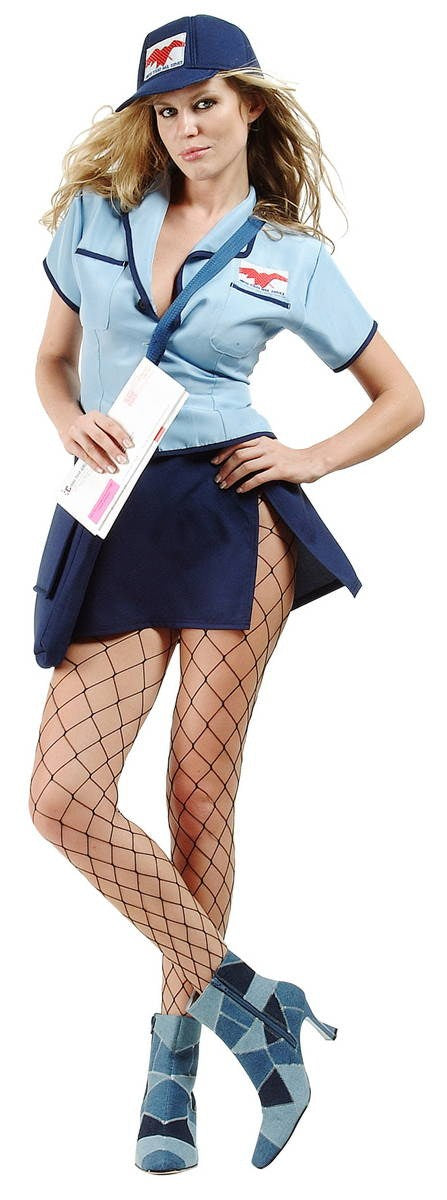
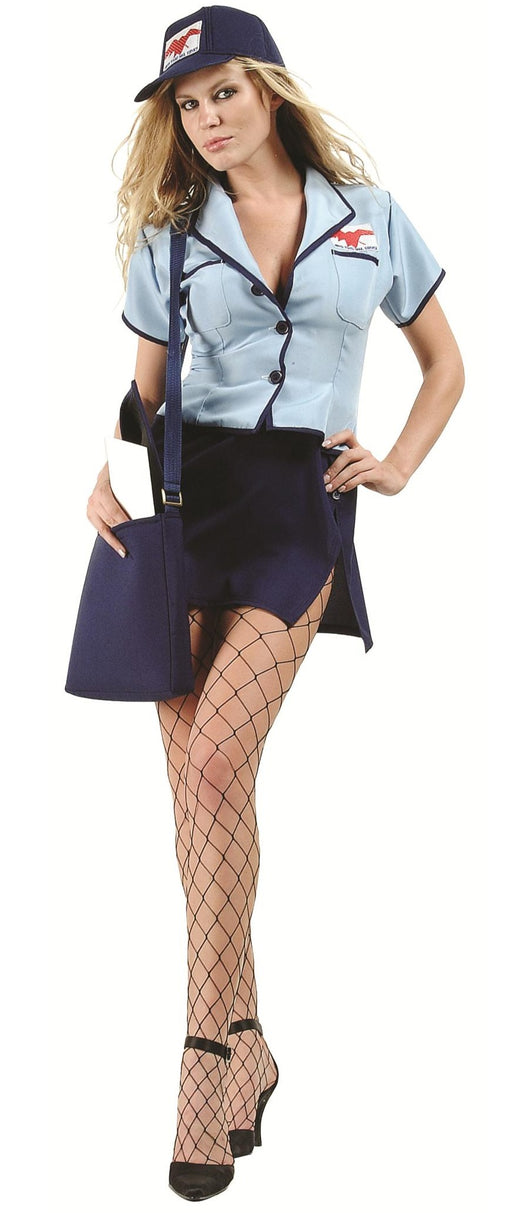
Sexy Post Office Girl | Costume-Shop.com
In stock
Attention all aspiring letter carriers and mail enthusiasts! Prepare to deliver a package of seductive style and naughty charm with our Sexy Post O...
View full details
Original price
$27.95
-
Original price
$27.95
Original price
$27.95
$27.95
-
$27.95
Current price
$27.95


Original price
$110.95
-
Original price
$110.95
Original price
$110.95
$110.95
-
$110.95
Current price
$110.95
Northern Warrior Costume | Costume-Shop.com
Low stock
Upgrade your costume game to legendary status with the Northern Warrior Costume! Designed for rugged adventurers and fearless warriors of the North...
View full details
Original price
$110.95
-
Original price
$110.95
Original price
$110.95
$110.95
-
$110.95
Current price
$110.95
Original price
$66.95
-
Original price
$66.95
Original price
$66.95
$66.95
-
$66.95
Current price
$66.95
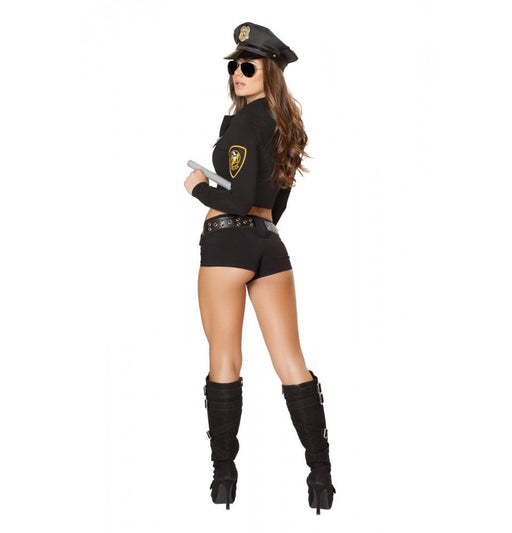
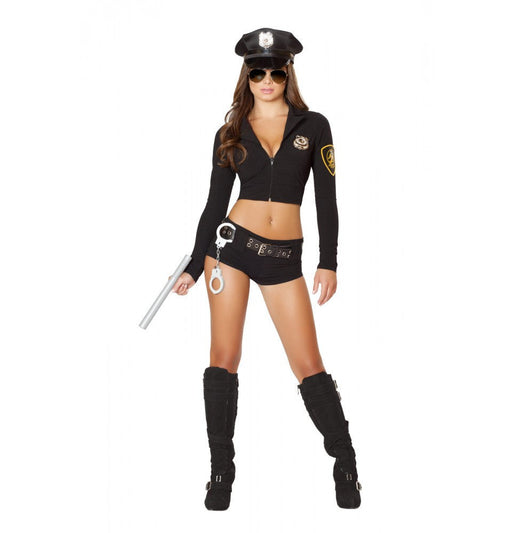
Sexy Police Officer Hottie | Costume-Shop.com
Low stock
🚓 Enforce Fun with a Dash of Flair! Step into the role of authority with the Sexy Police Officer Hottie Costume from www.Costume-shop.com. Designed...
View full details
Original price
$66.95
-
Original price
$66.95
Original price
$66.95
$66.95
-
$66.95
Current price
$66.95


Original price
$97.95
-
Original price
$97.95
Original price
$97.95
$97.95
-
$97.95
Current price
$97.95
Sexy Miss Claus Costume | Costume-Shop.com
Low stock
C170Sexy Miss Claus Costume Includes:Long Robe with Fur Trim Detail, Detachable Belt, & Shorts Material:Stretch Velvet Ships From:Los Angeles S...
View full details
Original price
$97.95
-
Original price
$97.95
Original price
$97.95
$97.95
-
$97.95
Current price
$97.95
Original price
$73.95
-
Original price
$73.95
Original price
$73.95
$73.95
-
$73.95
Current price
$73.95
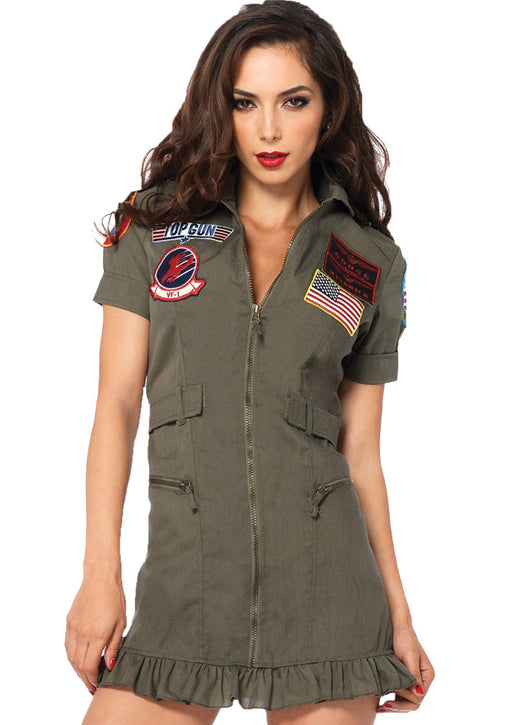
Top Gun Flight Dress | Costume-shop.com
In stock
✈️ Feel the Need for Speed! Elevate your costume game at your next party, Halloween event, or any gathering calling for a bit of high-flying action...
View full details
Original price
$73.95
-
Original price
$73.95
Original price
$73.95
$73.95
-
$73.95
Current price
$73.95
Leave a comment