

What is a Renaissance Costume?
What is a Renaissance Costume? - Unveiling the Beauty of Historical FashionWhat is a Renaissance Costume?
The Renaissance: A Cultural Rebirth
The Renaissance was a period of immense cultural, artistic, and intellectual growth that spanned from the 14th to the 17th century in Europe. It marked a significant shift from the Middle Ages and saw a revival of interest in ancient Greek and Roman culture.
During this remarkable era, fashion underwent a dramatic transformation. The clothing choices of individuals became more elaborate, intricate, and reflective of their social status and wealth. One such manifestation of this change was the emergence of Renaissance costumes.
Renaissance costumes are garments inspired by the fashion trends prevalent during this era. They are crafted meticulously to reflect historical accuracy while still providing comfort and style for modern wearers.
The Elements of a Renaissance Costume
A typical Renaissance costume consists of several key elements that combine to create an elegant and visually striking ensemble:
- Gowns: Women's gowns during the Renaissance were characterized by their voluminous skirts, fitted bodices, and wide sleeves. Fabrics like silk, velvet, brocade, and damask were commonly used to create luxurious textures.
- Doublets: Doublets were popular among men during the Renaissance. These snug-fitting jackets featured padded shoulders, button closures down the front, and were often decorated with intricate embroidery or embellishments.
- Hose: Both men and women wore hose, which were tight-fitting garments covering the legs. Hose were typically made of wool or silk and could be plain or patterned.
- Ruffs and Collars: Ruffs, elaborate collars worn around the neck, were a hallmark of Renaissance fashion. They were often made of fine lace or linen and could be quite expansive, adding a regal touch to any costume.
- Headwear: Renaissance headwear varied greatly depending on the individual's social status and gender. Women often wore intricate headdresses adorned with jewels and feathers, while men sported hats such as berets, feathered caps, or flat caps.
- Accessories: Accessories played a crucial role in completing a Renaissance costume. Examples include belts, gloves, pouches, fans, masks, and jewelry.
The Beauty of Renaissance Costumes
Renaissance costumes are not merely replicas of historical clothing; they are works of art that capture the essence and beauty of this remarkable era. Whether worn for historical reenactments, theatrical productions, costume parties, or themed events like Renaissance fairs, these costumes transport wearers and spectators alike to a bygone time filled with grandeur and elegance.
The attention to detail in Renaissance costumes is truly extraordinary. From exquisite embroidery to lavish fabrics to delicate lacework, every element is designed with care to recreate the opulence of the period accurately. The combination of rich colors and intricate patterns adds depth and visual interest to each piece.
Additionally, these costumes are crafted using modern techniques that ensure comfort without compromising authenticity. Comfortable fabrics, adjustable closures, and breathable designs make it possible for individuals to enjoy wearing Renaissance costumes for extended periods.
Wearing Renaissance Costumes Today
Renaissance costumes are not limited to historical reenactments or theatrical performances. They have become a popular choice for individuals looking to add a touch of timeless elegance to special events, weddings, parties, and even themed photoshoots.
While many people opt for ready-made Renaissance costumes available from various sources online and in stores, others prefer the uniqueness and authenticity of custom-made or handmade ensembles. Customization allows individuals to choose specific fabrics, colors, and embellishments that reflect their personal style and preferences while still honoring the historical accuracy of the era.
Furthermore, Renaissance costumes present an opportunity for fashion enthusiasts to explore their creativity through mix-and-match options. By combining different elements from various historical periods or creating unique characters inspired by the Renaissance era, wearers can create one-of-a-kind ensembles that truly express their individuality.
Renaissance costume enthusiasts also engage in events such as Renaissance fairs or festivals where they can fully immerse themselves in the atmosphere of the era. These gatherings offer a chance to appreciate music, dance performances, artisan crafts, and indulge in traditional food and drink while surrounded by fellow aficionados adorned in stunning Renaissance attire.
Featured collection
Original price
$27.95
-
Original price
$27.95
Original price
$27.95
$27.95
-
$27.95
Current price
$27.95
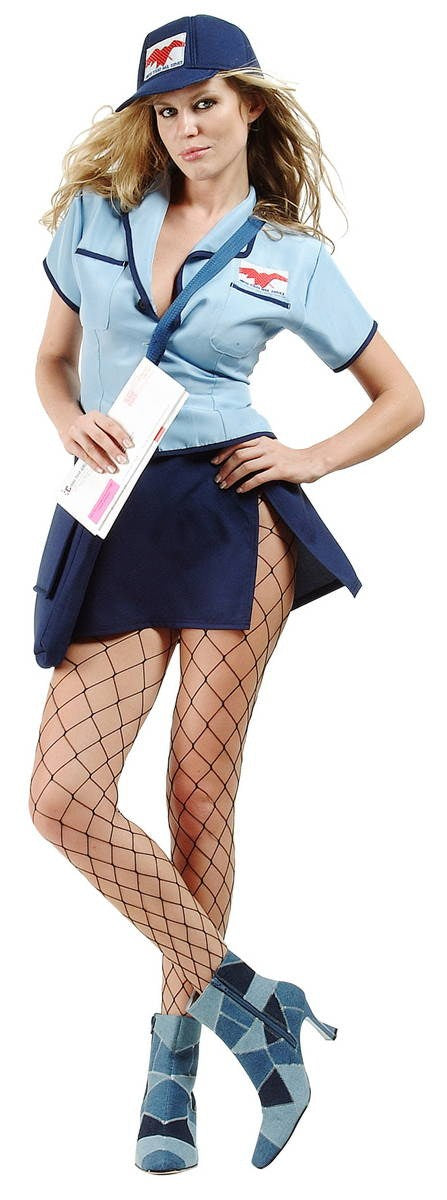
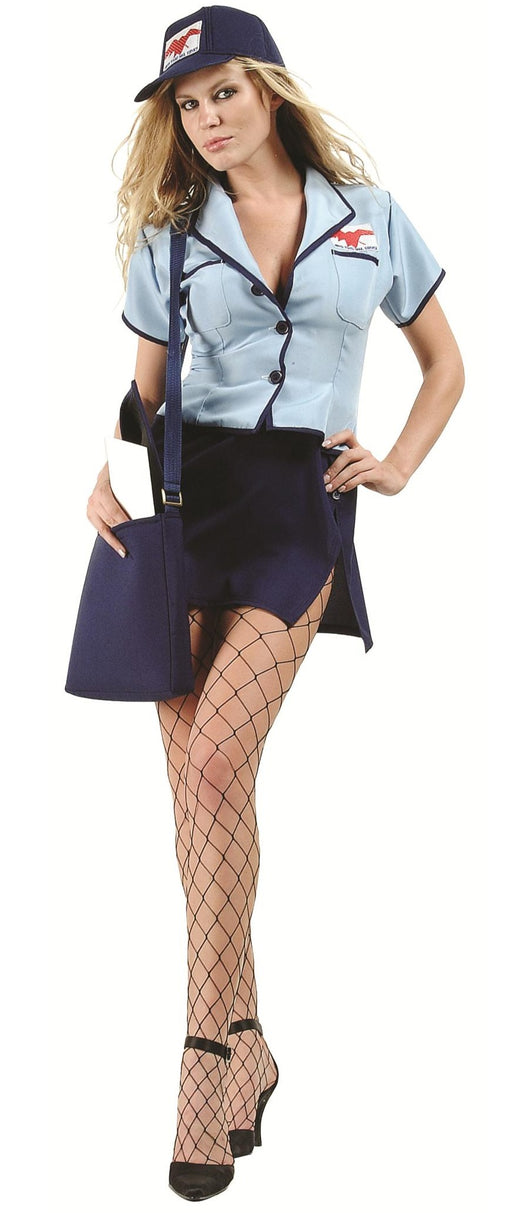
Sexy Post Office Girl | Costume-Shop.com
In stock
Attention all aspiring letter carriers and mail enthusiasts! Prepare to deliver a package of seductive style and naughty charm with our Sexy Post O...
View full details
Original price
$27.95
-
Original price
$27.95
Original price
$27.95
$27.95
-
$27.95
Current price
$27.95


Original price
$110.95
-
Original price
$110.95
Original price
$110.95
$110.95
-
$110.95
Current price
$110.95
Northern Warrior Costume | Costume-Shop.com
Low stock
Upgrade your costume game to legendary status with the Northern Warrior Costume! Designed for rugged adventurers and fearless warriors of the North...
View full details
Original price
$110.95
-
Original price
$110.95
Original price
$110.95
$110.95
-
$110.95
Current price
$110.95
Original price
$66.95
-
Original price
$66.95
Original price
$66.95
$66.95
-
$66.95
Current price
$66.95
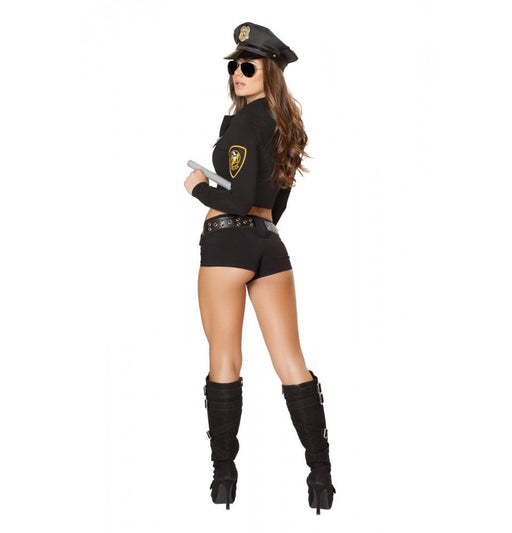
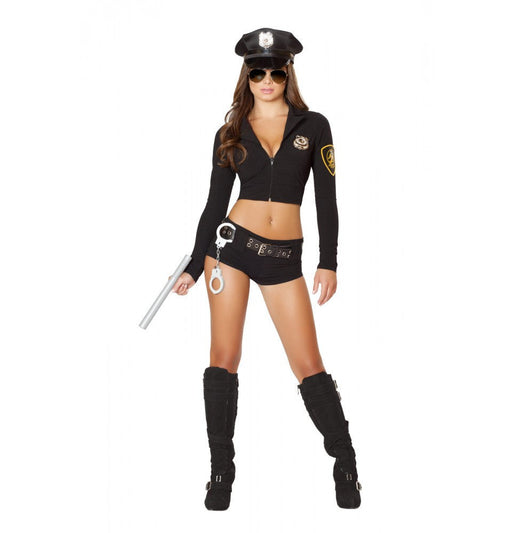
Sexy Police Officer Hottie | Costume-Shop.com
Low stock
🚓 Enforce Fun with a Dash of Flair! Step into the role of authority with the Sexy Police Officer Hottie Costume from www.Costume-shop.com. Designed...
View full details
Original price
$66.95
-
Original price
$66.95
Original price
$66.95
$66.95
-
$66.95
Current price
$66.95


Original price
$97.95
-
Original price
$97.95
Original price
$97.95
$97.95
-
$97.95
Current price
$97.95
Sexy Miss Claus Costume | Costume-Shop.com
Low stock
C170Sexy Miss Claus Costume Includes:Long Robe with Fur Trim Detail, Detachable Belt, & Shorts Material:Stretch Velvet Ships From:Los Angeles S...
View full details
Original price
$97.95
-
Original price
$97.95
Original price
$97.95
$97.95
-
$97.95
Current price
$97.95
Original price
$73.95
-
Original price
$73.95
Original price
$73.95
$73.95
-
$73.95
Current price
$73.95
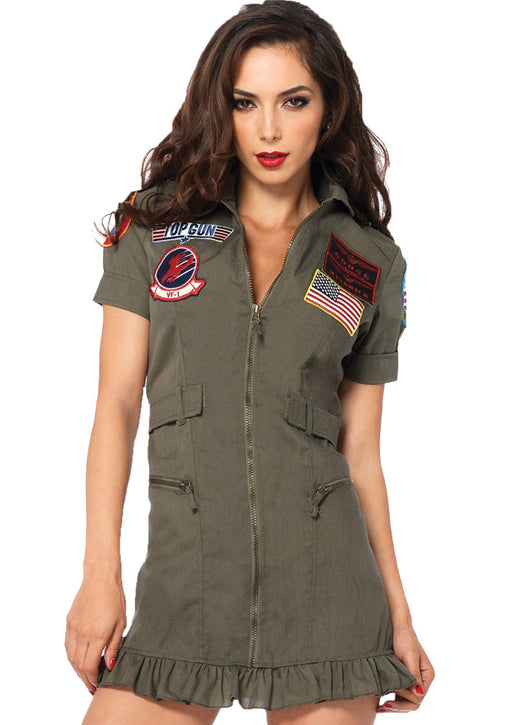
Top Gun Flight Dress | Costume-shop.com
In stock
✈️ Feel the Need for Speed! Elevate your costume game at your next party, Halloween event, or any gathering calling for a bit of high-flying action...
View full details
Original price
$73.95
-
Original price
$73.95
Original price
$73.95
$73.95
-
$73.95
Current price
$73.95
Leave a comment