

What Halloween Costumes are Cultural Appropriation to Avoid
Halloween is a fun and exciting time of the year when people get to dress up as their favorite characters or explore different cultures. However, it's important to be mindful and respectful of other cultures when choosing a costume. Cultural appropriation is when someone adopts elements of another culture without understanding or respecting its significance. This can be offensive and disrespectful to those who hold that culture dear. To create an inclusive and respectful Halloween environment, here are some costumes that you should avoid:
Native American Headdresses
Native American headdresses are sacred items worn by Indigenous Peoples of North America for spiritual and ceremonial purposes. Wearing them as a costume trivializes their cultural significance and can be deeply offensive. It's important to respect the spiritual traditions of Native American communities by avoiding these costumes.
Sombreros and Ponchos
Mexican culture is rich in history, traditions, and customs. Wearing sombreros and ponchos as costumes can perpetuate stereotypes and reduce an entire culture to a caricature. Instead of appropriating Mexican culture, consider learning about the traditions and celebrating them in a respectful manner.
Geisha
The geisha is an iconic symbol of Japanese culture, known for their distinct makeup, hairstyle, and traditional clothing. However, dressing up as a geisha can be seen as cultural appropriation because it reduces a complex profession to a mere costume. It's important to recognize and respect the cultural significance of the geisha tradition by avoiding such costumes.
Sugar Skulls
Sugar skulls are an integral part of Día de los Muertos (Day of the Dead) celebrations in Mexico. They represent deceased loved ones and are intricately decorated with colorful designs. Using sugar skulls as Halloween costumes can diminish the cultural importance of this deeply spiritual holiday. It's best to appreciate and respect the meaning behind sugar skulls without appropriating them for your own entertainment.
Ancient Egyptian Pharaohs
Ancient Egypt has a rich history that should be celebrated and respected. However, dressing up as an ancient Egyptian pharaoh or queen can be considered cultural appropriation if done without proper understanding or respect for their customs and traditions. It's important to approach such costumes with sensitivity and avoid appropriating elements from cultures you might not fully understand.
Hula Dancers
Hula dancing is a beautiful art form that originates from Hawaiian culture. Dressing up as a hula dancer can perpetuate stereotypes about Hawaiian people and appropriate their traditions for entertainment purposes. Instead, take the time to learn about hula dancing, its history, and its significance to Hawaiian culture.
Voodoo Priest/Priestess
Voodoo is a religion that originated in West Africa and Haiti. It has been misrepresented and sensationalized in popular culture, leading to misunderstandings and stereotypes. Dressing up as a voodoo priest or priestess without understanding the beliefs and practices of this religion can be offensive and disrespectful. Avoid appropriating elements from voodoo culture and instead, educate yourself about its history and significance.
Indian Sari or Turban
Wearing traditional Indian clothing like a sari or turban can be seen as cultural appropriation if done without proper understanding or respect for their cultural significance. These items hold deep meaning within Indian culture and should not be reduced to mere costumes. Instead of appropriating Indian clothing, consider learning about the customs and traditions associated with them.
Maasai Warrior
The Maasai people are an indigenous tribe in Kenya known for their distinctive clothing, jewelry, and warrior traditions. Wearing Maasai-inspired costumes without understanding or respecting their cultural significance can perpetuate harmful stereotypes about African cultures. It's important to appreciate the beauty of Maasai traditions without appropriating them for personal gain.
Pocahontas
Pocahontas was a real historical figure who played a significant role in early colonial America. Dressing up as Pocahontas can be seen as cultural appropriation because it reduces her identity to a costume rather than acknowledging her as a complex individual with a rich heritage. Instead, learn about the real Pocahontas and her contributions to Native American history.
Featured collection
Original price
$27.95
-
Original price
$27.95
Original price
$27.95
$27.95
-
$27.95
Current price
$27.95
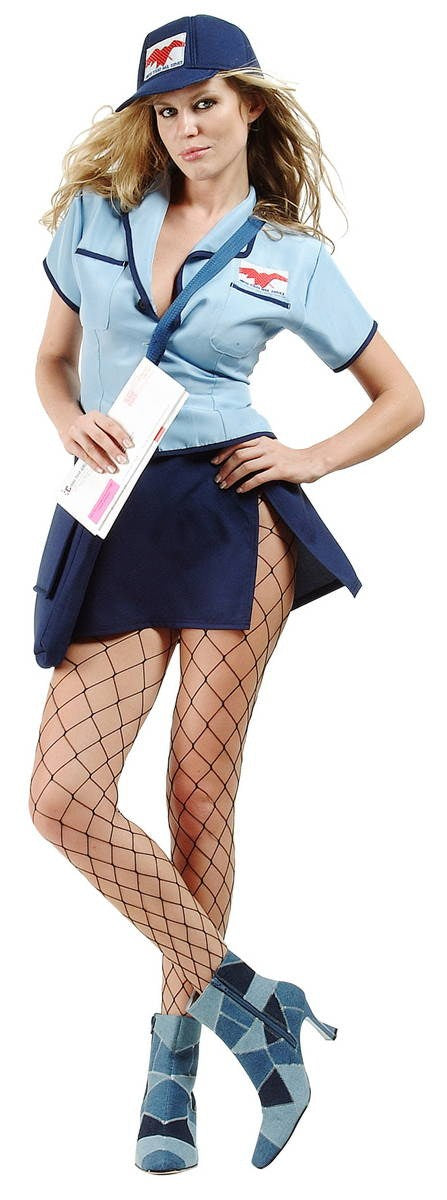
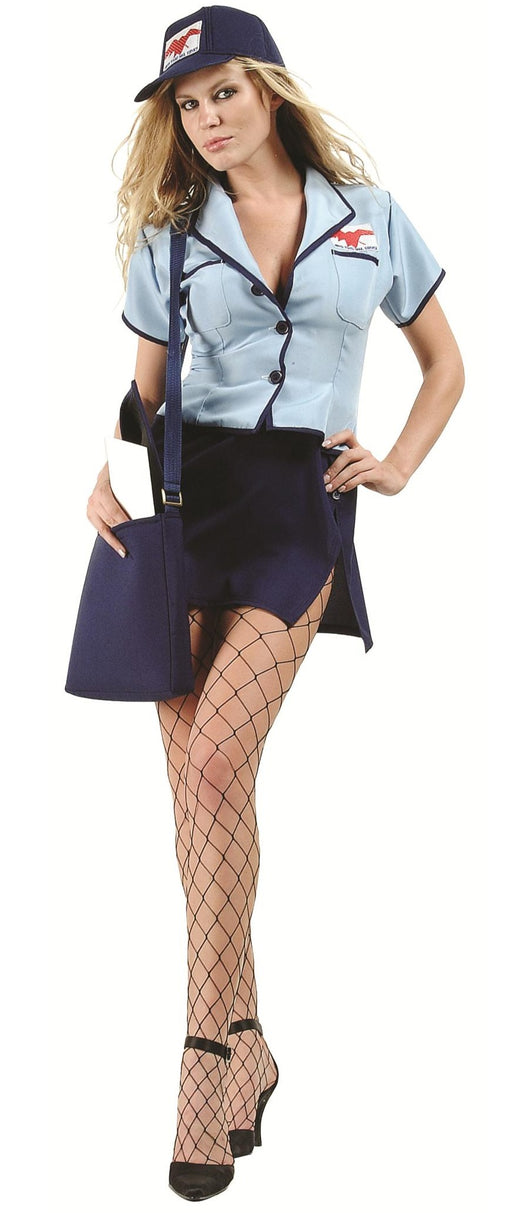
Sexy Post Office Girl | Costume-Shop.com
In stock
Attention all aspiring letter carriers and mail enthusiasts! Prepare to deliver a package of seductive style and naughty charm with our Sexy Post O...
View full details
Original price
$27.95
-
Original price
$27.95
Original price
$27.95
$27.95
-
$27.95
Current price
$27.95


Original price
$110.95
-
Original price
$110.95
Original price
$110.95
$110.95
-
$110.95
Current price
$110.95
Northern Warrior Costume | Costume-Shop.com
Low stock
Upgrade your costume game to legendary status with the Northern Warrior Costume! Designed for rugged adventurers and fearless warriors of the North...
View full details
Original price
$110.95
-
Original price
$110.95
Original price
$110.95
$110.95
-
$110.95
Current price
$110.95
Original price
$66.95
-
Original price
$66.95
Original price
$66.95
$66.95
-
$66.95
Current price
$66.95
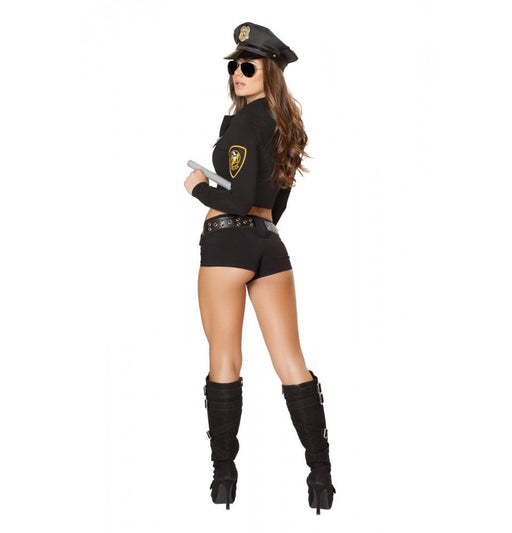
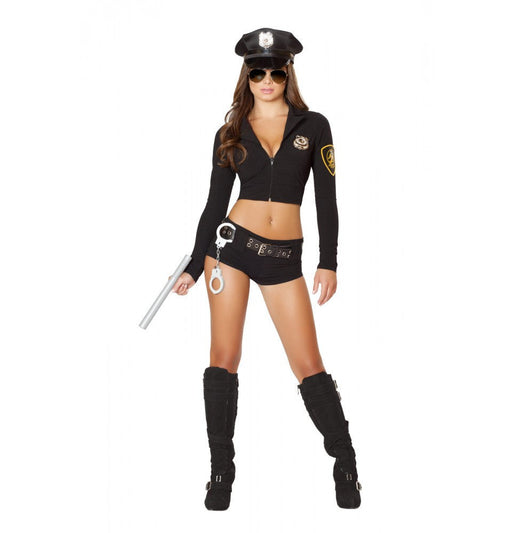
Sexy Police Officer Hottie | Costume-Shop.com
Low stock
🚓 Enforce Fun with a Dash of Flair! Step into the role of authority with the Sexy Police Officer Hottie Costume from www.Costume-shop.com. Designed...
View full details
Original price
$66.95
-
Original price
$66.95
Original price
$66.95
$66.95
-
$66.95
Current price
$66.95


Original price
$97.95
-
Original price
$97.95
Original price
$97.95
$97.95
-
$97.95
Current price
$97.95
Sexy Miss Claus Costume | Costume-Shop.com
Low stock
C170Sexy Miss Claus Costume Includes:Long Robe with Fur Trim Detail, Detachable Belt, & Shorts Material:Stretch Velvet Ships From:Los Angeles S...
View full details
Original price
$97.95
-
Original price
$97.95
Original price
$97.95
$97.95
-
$97.95
Current price
$97.95
Original price
$73.95
-
Original price
$73.95
Original price
$73.95
$73.95
-
$73.95
Current price
$73.95
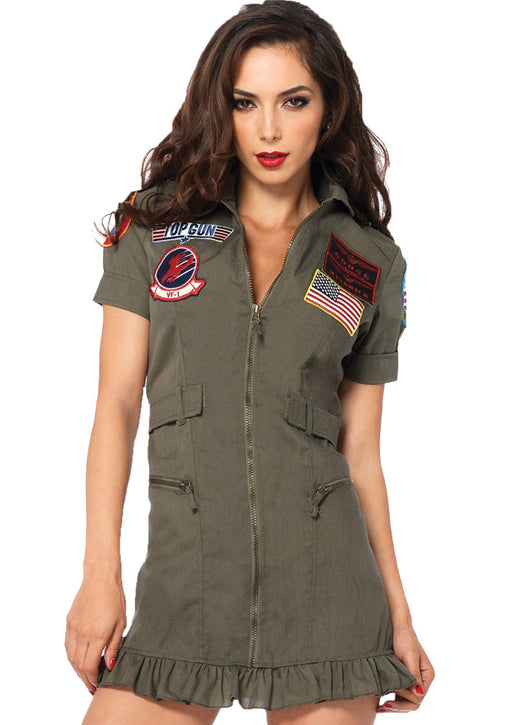
Top Gun Flight Dress | Costume-shop.com
In stock
✈️ Feel the Need for Speed! Elevate your costume game at your next party, Halloween event, or any gathering calling for a bit of high-flying action...
View full details
Original price
$73.95
-
Original price
$73.95
Original price
$73.95
$73.95
-
$73.95
Current price
$73.95
Leave a comment