

What Halloween Costumes are Considered Insensitive?
What Halloween Costumes are Considered Insensitive?
What Halloween Costumes are Considered Insensitive?
Halloween is a time when people get to express their creativity by dressing up in unique and sometimes outrageous costumes. However, it is important to remember that not all costume choices are appropriate or sensitive to others. In recent years, there has been a growing awareness and conversation around cultural appropriation and insensitivity in Halloween costumes.
While the line between what is considered insensitive can sometimes be blurry, there are certain costumes that are widely agreed upon as being offensive or disrespectful. It's important to be mindful of these considerations and avoid perpetuating harmful stereotypes or mocking marginalized communities.
Cultural Appropriation
Cultural appropriation refers to the adoption or borrowing of elements from another culture without understanding or respecting its significance. This can often manifest in Halloween costumes that reduce a culture to a stereotype or caricature, perpetuating harmful prejudices.
Some examples of culturally insensitive Halloween costumes include:
- Native American Headdresses: Native American headdresses hold deep spiritual and cultural meaning for many Indigenous tribes. Wearing a headdress as a costume accessory reduces it to a fashion statement and disrespects the cultural significance.
- Geisha or Samurai Costumes: Dressing up as a Geisha or Samurai can be seen as appropriating Japanese culture, reducing it to a stereotype and ignoring its historical context.
- Sombreros and Ponchos: Mexican culture is often stereotyped during Halloween with costumes that involve wearing sombreros and ponchos, perpetuating harmful stereotypes about Mexicans.
- African Tribal Costumes: African tribal costumes are often reduced to generic "savage" or "tribal warrior" costumes, which misrepresent the diverse cultures within Africa.
Racist Stereotypes
Another category of insensitive Halloween costumes involves racist stereotypes. These costumes perpetuate harmful prejudices and mock marginalized communities, causing harm and offense.
The following examples fall under this category:
- "Blackface" Costumes: Dressing up as a different race by using blackface makeup is extremely offensive and rooted in racism. It mocks black individuals and reinforces negative stereotypes.
- "Mexican Bandit" or "Illegal Alien" Costumes: These costumes rely on racial stereotypes about Mexican people, portraying them as criminals or illegal immigrants. They are disrespectful and deeply hurtful to the Mexican community.
- "Terrorist" Costumes: Any costume that portrays terrorists or makes light of terrorism is highly insensitive. It trivializes the experiences of those affected by terrorism and contributes to fear-mongering.
Mental Health Portrayals
Mental health is another important topic that should not be trivialized or mocked through Halloween costumes. Portraying mental illnesses as scary or comedic perpetuates harmful stigmas and prevents progress in understanding and supporting those who live with mental health challenges.
Costumes that mock mental health conditions, such as "asylum patients" or "crazy person" costumes, are disrespectful and insensitive to individuals who struggle with mental health issues.
Gender Stereotypes
Halloween is also a time when gender stereotypes can be reinforced through costume choices. It's important to avoid costumes that perpetuate harmful gender norms or mock transgender individuals.
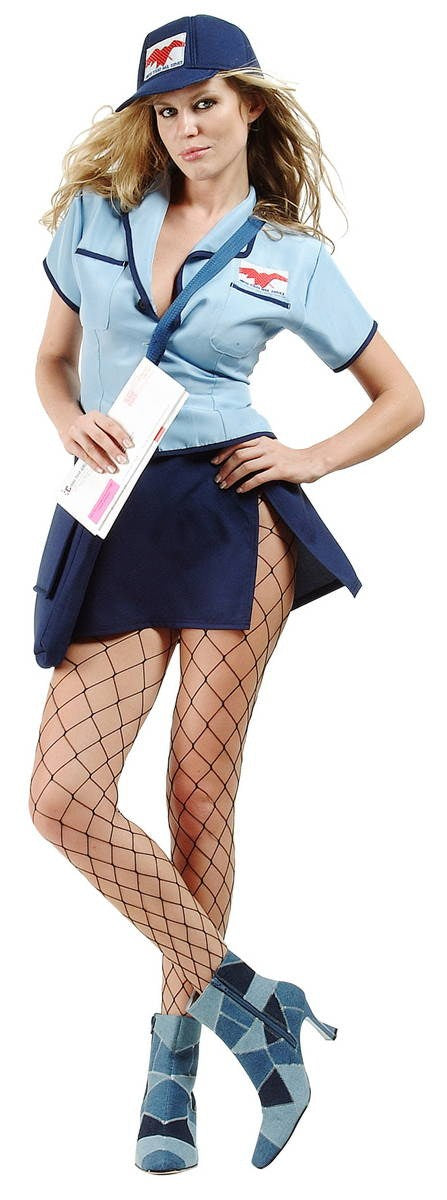
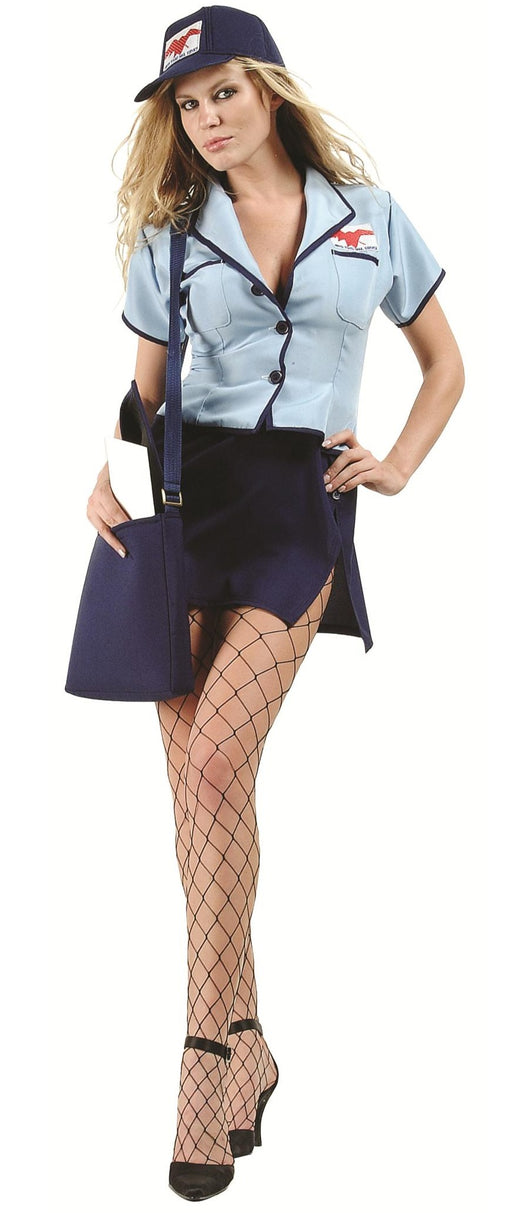
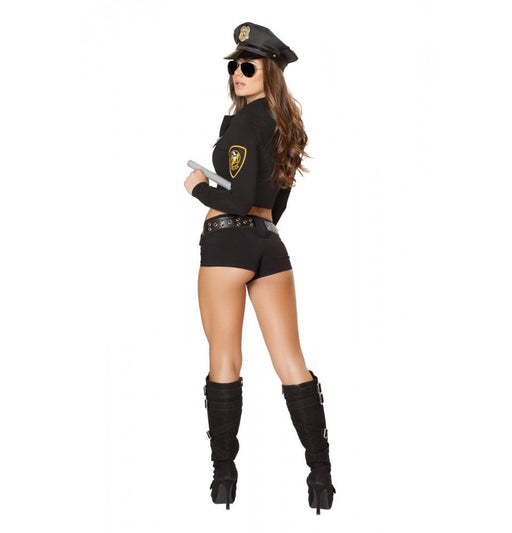
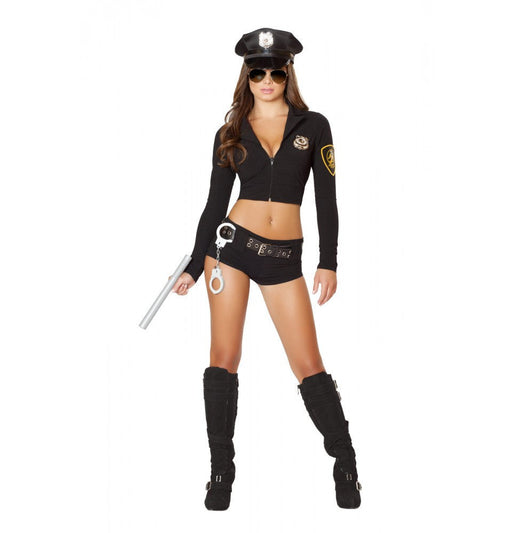
- "Sexy" Versions of Professions: Dressing up in a sexualized version of a profession, such as a "sexy nurse" or "sexy police officer," reduces the value of those professions and reinforces gender stereotypes.
- Mocking Transgender Individuals: Costumes that make fun of or mock transgender identities are deeply hurtful and disrespectful. Avoid dressing up as characters who transitioned genders for laughs or perpetuating offensive stereotypes.
Inclusive Costume Alternatives
If you want to celebrate Halloween while being respectful and inclusive, there are many alternative costume ideas you can explore:
- Dress up as your favorite fictional character from books, movies, or TV shows.
- Create a DIY costume based on a pun or wordplay.
- Choose an animal or fantasy creature costume.
- Celebrate historical figures who have made positive contributions to society.
Remember, Halloween should be a fun and enjoyable time for everyone. By being mindful of the impact our costume choices can have on others, we can ensure that everyone feels respected and included during this festive season!
Featured collection
Original price
$27.95
-
Original price
$27.95
Original price
$27.95
$27.95
-
$27.95
Current price
$27.95
Sexy Post Office Girl | Costume-Shop.com
In stock
Attention all aspiring letter carriers and mail enthusiasts! Prepare to deliver a package of seductive style and naughty charm with our Sexy Post O...
View full details
Original price
$27.95
-
Original price
$27.95
Original price
$27.95
$27.95
-
$27.95
Current price
$27.95


Original price
$110.95
-
Original price
$110.95
Original price
$110.95
$110.95
-
$110.95
Current price
$110.95
Northern Warrior Costume | Costume-Shop.com
Low stock
Upgrade your costume game to legendary status with the Northern Warrior Costume! Designed for rugged adventurers and fearless warriors of the North...
View full details
Original price
$110.95
-
Original price
$110.95
Original price
$110.95
$110.95
-
$110.95
Current price
$110.95
Original price
$66.95
-
Original price
$66.95
Original price
$66.95
$66.95
-
$66.95
Current price
$66.95
Sexy Police Officer Hottie | Costume-Shop.com
Low stock
🚓 Enforce Fun with a Dash of Flair! Step into the role of authority with the Sexy Police Officer Hottie Costume from www.Costume-shop.com. Designed...
View full details
Original price
$66.95
-
Original price
$66.95
Original price
$66.95
$66.95
-
$66.95
Current price
$66.95


Original price
$97.95
-
Original price
$97.95
Original price
$97.95
$97.95
-
$97.95
Current price
$97.95
Sexy Miss Claus Costume | Costume-Shop.com
Low stock
C170Sexy Miss Claus Costume Includes:Long Robe with Fur Trim Detail, Detachable Belt, & Shorts Material:Stretch Velvet Ships From:Los Angeles S...
View full details
Original price
$97.95
-
Original price
$97.95
Original price
$97.95
$97.95
-
$97.95
Current price
$97.95
Original price
$73.95
-
Original price
$73.95
Original price
$73.95
$73.95
-
$73.95
Current price
$73.95
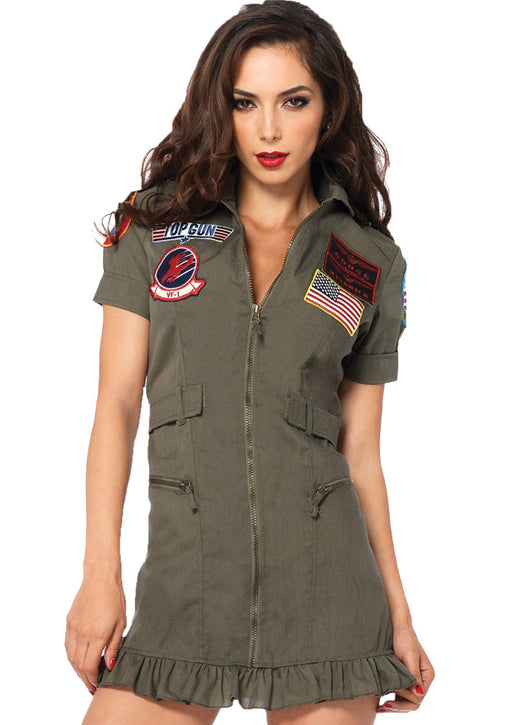
Top Gun Flight Dress | Costume-shop.com
In stock
✈️ Feel the Need for Speed! Elevate your costume game at your next party, Halloween event, or any gathering calling for a bit of high-flying action...
View full details
Original price
$73.95
-
Original price
$73.95
Original price
$73.95
$73.95
-
$73.95
Current price
$73.95
Leave a comment