

What Does a Costume Stylist Do?
What Does a Costume Stylist Do? - The Art of Dressing Characters


What Does a Costume Stylist Do?
When you watch your favorite movie or TV show, have you ever wondered how the characters appear so effortlessly stylish and in sync with their roles? That's where a costume stylist comes in. A costume stylist is an integral part of the production team who works behind the scenes to bring characters to life through their wardrobe choices. Let's dive deeper into what exactly a costume stylist does.
The Role of a Costume Stylist
A costume stylist is responsible for creating and overseeing the entire wardrobe for a production, whether it's a movie, TV show, theater production, or even a photo shoot. Their main objective is to ensure that the costumes enhance the storytelling by visually representing each character's personality, background, and the overall narrative of the production.
Here are some key responsibilities of a costume stylist:
- Researching: A costume stylist starts by thoroughly researching the time period, culture, and setting of the production. They study historical references, fashion trends, and any other relevant information to create accurate costumes that align with the vision of the director or producer.
- Collaborating: Costume stylists work closely with directors, producers, production designers, and other members of the creative team to understand their vision for each character. They collaborate to ensure that the costumes complement the overall aesthetic and storytelling goals.
- Designing: Once they have a clear understanding of the requirements, a costume stylist creates sketches and designs for each character's wardrobe. This involves selecting fabrics, colors, patterns, and accessories that help bring out the essence of each role.
- Sourcing: The next step involves sourcing or acquiring all required costumes within budget constraints. This may involve shopping at vintage stores, renting from costume houses, or even designing custom outfits in collaboration with seamstresses or tailors.
- Fitting: After procuring all necessary costumes, a costume stylist conducts fitting sessions with actors to ensure proper sizing and comfort. They make any necessary alterations or adjustments to guarantee that every outfit fits perfectly on screen or stage.
- Maintaining: Throughout filming or performing processes, costume stylists manage all aspects related to costumes. This includes organizing wardrobes, coordinating laundry services if required, repairing damaged items as needed, and keeping detailed records of each character's wardrobe changes for consistency.
- Collaborating with other departments: Costume stylists work closely with hair and makeup artists, as well as set decorators, to ensure that the overall look of the production is cohesive. They coordinate colors, styles, and textures to create a visually appealing and balanced final product.
Skills Required
Becoming a successful costume stylist requires a unique blend of creative and practical skills. Here are some essential skills that make a great costume stylist:
- Knowledge of fashion and history: A deep understanding of fashion trends past and present, as well as historical clothing styles, is crucial for creating authentic costumes.
- Attention to detail: Costume stylists must pay close attention to every element of an outfit – from the fabric choice to the smallest accessory – ensuring that everything aligns with the character's personality and the production's vision.
- Creativity: They need to think outside the box to find unique solutions for challenging wardrobe requirements or unexpected changes during filming or performing processes.
- Organizational skills: Managing multiple characters' wardrobes, coordinating fittings, keeping track of budgets, and maintaining costume inventory require exceptional organizational abilities.
- Communication skills: Collaborating with various individuals on a production team necessitates strong communication skills to translate ideas into tangible costumes successfully.
- Ability to work under pressure: Tight schedules, last-minute changes, and long hours are common in the entertainment industry. A costume stylist must thrive under pressure and meet deadlines without compromising quality.
Education and Career Path
While no specific educational path guarantees a career as a costume stylist, most professionals in the field have a background in fashion, theater, or related arts. Many costume stylists start by studying fashion design, costume design, or theater production at universities, colleges, or specialized institutes.
Internships and apprentice positions with established costume designers or production companies can provide valuable hands-on experience and networking opportunities. Building a strong portfolio showcasing various projects is crucial for gaining recognition in the industry.
Career opportunities for costume stylists can be found in various entertainment sectors:
- Film and television: Costume stylists work on movies, TV shows, commercials, and music videos to bring characters to life through costumes.
- Theater: In live theater productions, costume stylists collaborate with directors and actors to create costumes that enhance performances on stage.
- Fashion industry: Some costume stylists transition into styling for editorial photo shoots or runway shows due to their deep knowledge of fashion trends.
- Event planning: Costume styling skills are also valuable for event planners who organize themed parties or corporate events requiring unique costumes.
In Conclusion
A costume stylist plays a vital role in bringing characters to life through their wardrobe choices. Their meticulous research, creative design skills, and attention to detail ensure that costumes align with the vision of the production and enhance the storytelling process.
If you have a passion for fashion, history, and storytelling, a career as a costume stylist might be the perfect fit for you. Whether it's working on film sets or collaborating with theater productions, this profession offers endless opportunities to showcase your creativity and make an impact in the entertainment industry.
Featured collection
Original price
$27.95
-
Original price
$27.95
Original price
$27.95
$27.95
-
$27.95
Current price
$27.95
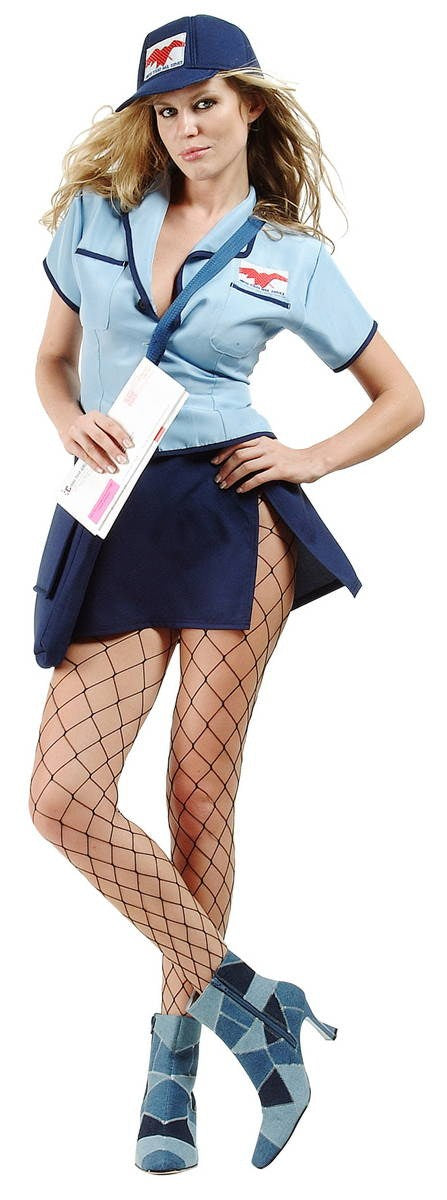
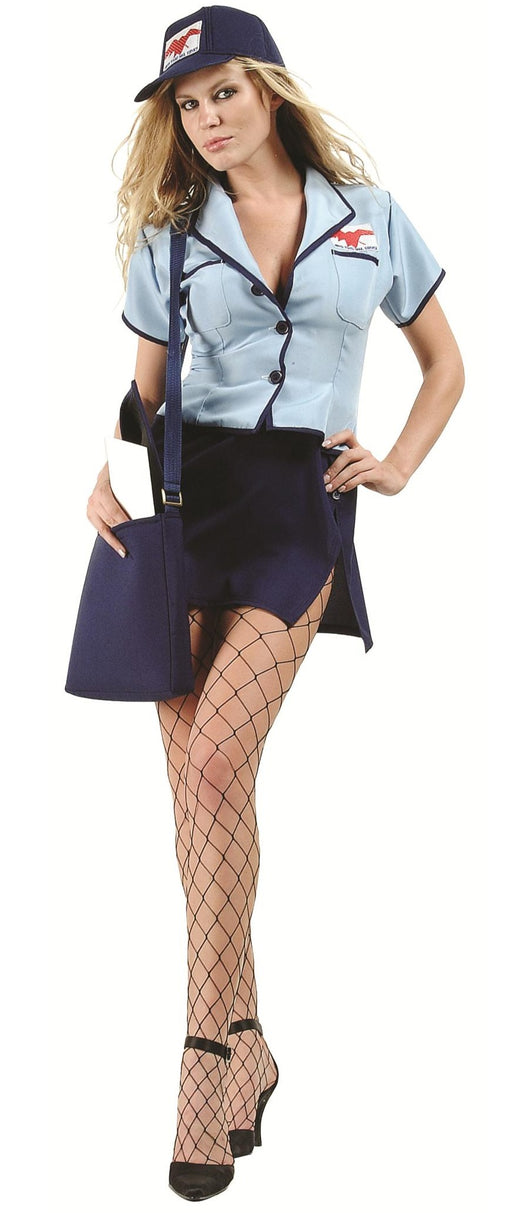
Sexy Post Office Girl | Costume-Shop.com
In stock
Attention all aspiring letter carriers and mail enthusiasts! Prepare to deliver a package of seductive style and naughty charm with our Sexy Post O...
View full details
Original price
$27.95
-
Original price
$27.95
Original price
$27.95
$27.95
-
$27.95
Current price
$27.95


Original price
$110.95
-
Original price
$110.95
Original price
$110.95
$110.95
-
$110.95
Current price
$110.95
Northern Warrior Costume | Costume-Shop.com
Low stock
Upgrade your costume game to legendary status with the Northern Warrior Costume! Designed for rugged adventurers and fearless warriors of the North...
View full details
Original price
$110.95
-
Original price
$110.95
Original price
$110.95
$110.95
-
$110.95
Current price
$110.95
Original price
$66.95
-
Original price
$66.95
Original price
$66.95
$66.95
-
$66.95
Current price
$66.95
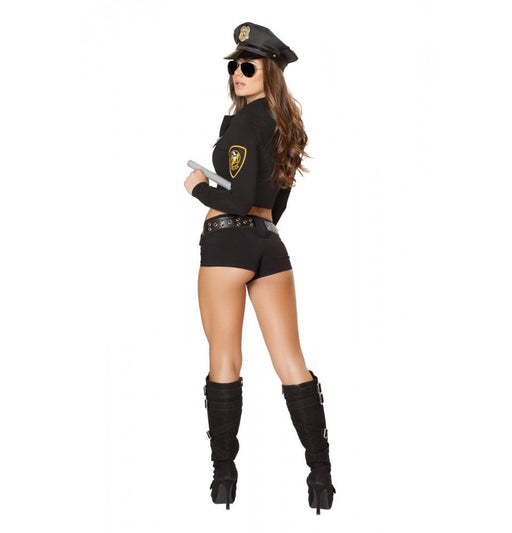
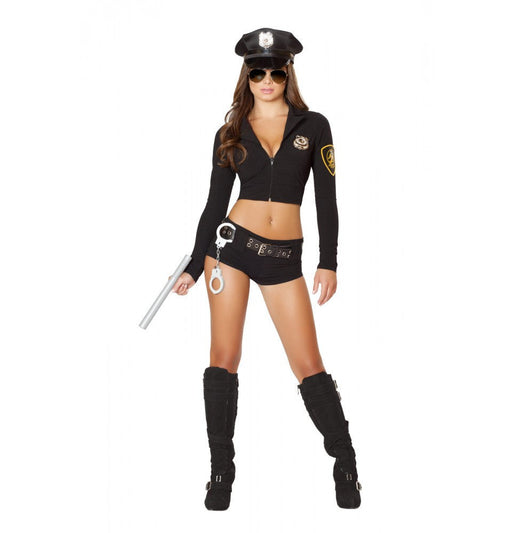
Sexy Police Officer Hottie | Costume-Shop.com
Low stock
🚓 Enforce Fun with a Dash of Flair! Step into the role of authority with the Sexy Police Officer Hottie Costume from www.Costume-shop.com. Designed...
View full details
Original price
$66.95
-
Original price
$66.95
Original price
$66.95
$66.95
-
$66.95
Current price
$66.95


Original price
$97.95
-
Original price
$97.95
Original price
$97.95
$97.95
-
$97.95
Current price
$97.95
Sexy Miss Claus Costume | Costume-Shop.com
Low stock
C170Sexy Miss Claus Costume Includes:Long Robe with Fur Trim Detail, Detachable Belt, & Shorts Material:Stretch Velvet Ships From:Los Angeles S...
View full details
Original price
$97.95
-
Original price
$97.95
Original price
$97.95
$97.95
-
$97.95
Current price
$97.95
Original price
$73.95
-
Original price
$73.95
Original price
$73.95
$73.95
-
$73.95
Current price
$73.95
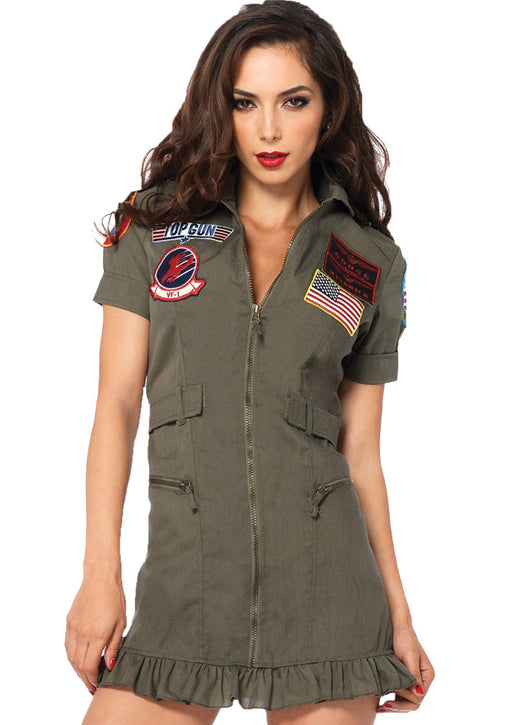
Top Gun Flight Dress | Costume-shop.com
In stock
✈️ Feel the Need for Speed! Elevate your costume game at your next party, Halloween event, or any gathering calling for a bit of high-flying action...
View full details
Original price
$73.95
-
Original price
$73.95
Original price
$73.95
$73.95
-
$73.95
Current price
$73.95
Leave a comment