

Visual Storytelling in Spider-Man: Across the Spider-Verse
Visual Storytelling in Spider-Man: Across the Spider-Verse

Welcome, true believers! Today, we are going to dive into the mesmerizing world of visual storytelling in one of the most groundbreaking animated films of all time: Spider-Man: Across the Spider-Verse.
Released in 2018, Spider-Man: Into the Spider-Verse took audiences by storm with its unique animation style and compelling story. It introduced fans to Miles Morales, a new iteration of Spider-Man, and brought together multiple versions of the iconic superhero from different dimensions.
Now, as we eagerly await its highly anticipated sequel, titled Spider-Man: Across the Spider-Verse, let's take a closer look at how visual storytelling played a crucial role in making the first film such a masterpiece.
A Revolutionary Animation Style
The first thing that stands out about Spider-Man: Into the Spider-Verse is its visually stunning animation style. The filmmakers embraced a comic book aesthetic and took it to a whole new level.
The movie combines traditional hand-drawn animation techniques with computer-generated imagery to create a unique blend that captures the essence of comic book art. The bold colors, dynamic motion lines, and halftone dots give every frame an incredible sense of energy and excitement.
This distinctive animation style not only pays homage to the comic book medium but also allows the film to explore the Spider-Verse concept in a visually captivating way. Each character from different dimensions brings their unique design and animation style, creating a vibrant and diverse visual experience.
Visual Symbolism and Narrative Depth
While Spider-Man: Into the Spider-Verse is undeniably a visually stunning film, its storytelling goes beyond its eye-catching animation. The visuals are carefully crafted to convey deeper meanings and enhance the narrative.
The use of visual symbolism plays a significant role throughout the movie. One notable example is the graffiti art seen in Miles Morales' neighborhood. It reflects his personal journey of self-discovery and transformation into Spider-Man. The graffiti murals change throughout the film, mirroring Miles' growth as a character.
Additionally, color plays a crucial role in conveying emotions and moods. Brighter colors are used during moments of joy and triumph, while darker tones represent danger or uncertainty. These subtle visual cues help immerse the audience in the story on an emotional level.
A Cinematic Kaleidoscope
Spider-Man: Into the Spider-Verse takes full advantage of its animated medium to deliver mind-bending visuals that would be nearly impossible to achieve in live-action films.
The film incorporates various techniques like split screens, text overlays, and dynamic transitions to create a seamless blend between scenes. This constant play with visual elements adds layers of depth to the story while keeping viewers engaged and entertained.
The use of different art styles within specific sequences is another standout aspect. For instance, when introducing new characters from alternate dimensions, their arrival is accompanied by unique animation styles that reflect their respective comic book origins.
This kaleidoscope of visuals not only makes the movie visually striking but also reinforces the idea that anyone can wear the mask and become a hero, regardless of their background or appearance.
Expanding the Spider-Verse
With its innovative visual storytelling, Spider-Man: Into the Spider-Verse introduced audiences to a vast multiverse filled with different versions of Spider-Man. The film's success led to an expansion of the Spider-Verse concept in various media formats.
The upcoming sequel, Spider-Man: Across the Spider-Verse, promises to take fans on another thrilling journey through multiple dimensions. Judging by the teaser trailer released recently, it is clear that the visual storytelling will once again be at the forefront of this next installment.
Conclusion:
In conclusion, Spider-Man: Into the Spider-Verse pushed boundaries and redefined what animated films can achieve in terms of visual storytelling. Its revolutionary animation style, visual symbolism, cinematic kaleidoscope, and expansion of the Spider-Verse concept have left an indelible mark on both animation and superhero cinema.
We eagerly await Spider-Man: Across the Spider-Verse, hoping it will continue to amaze us with its groundbreaking visuals while taking us on another incredible adventure through alternate dimensions
Featured collection
Original price
$27.95
-
Original price
$27.95
Original price
$27.95
$27.95
-
$27.95
Current price
$27.95
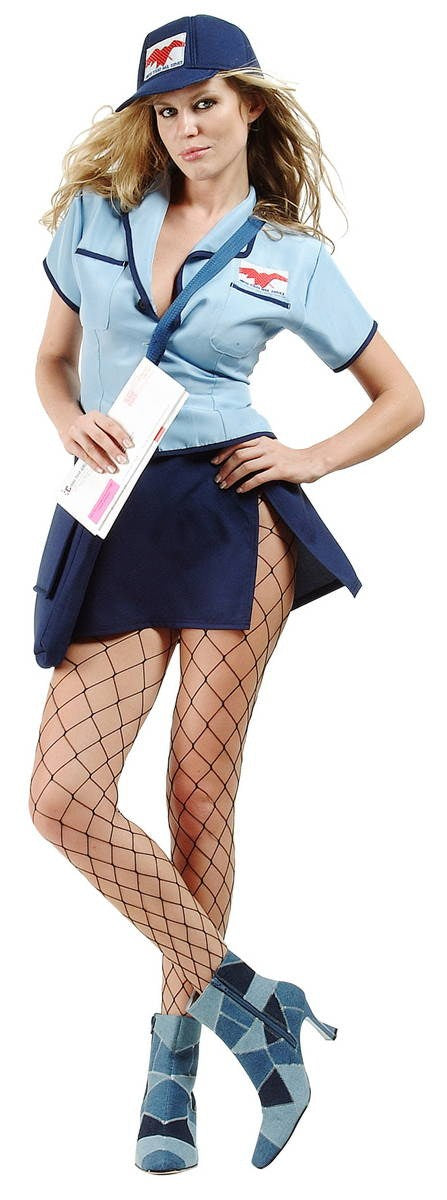
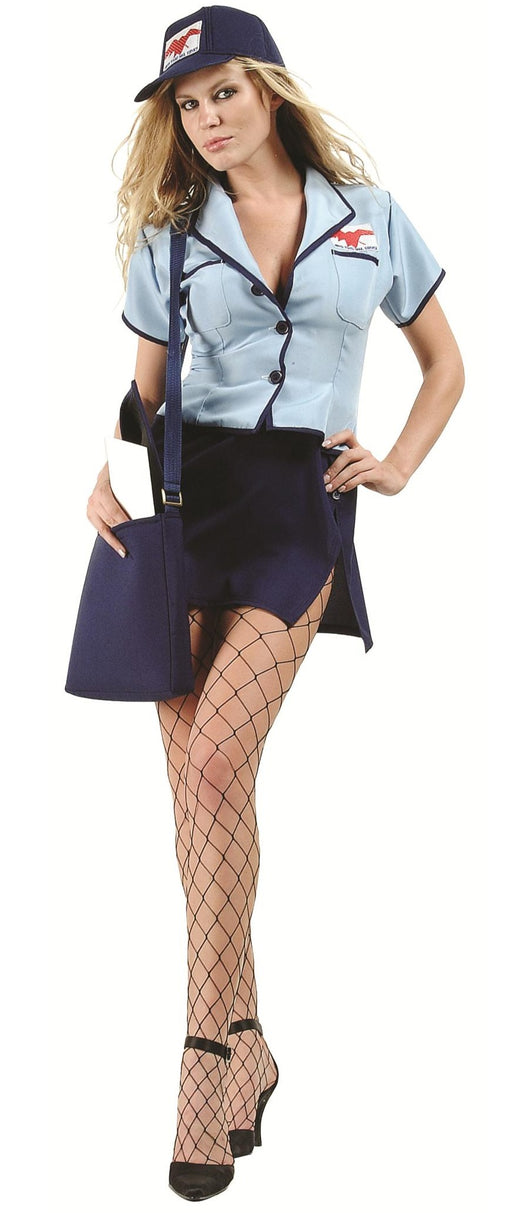
Sexy Post Office Girl | Costume-Shop.com
In stock
Attention all aspiring letter carriers and mail enthusiasts! Prepare to deliver a package of seductive style and naughty charm with our Sexy Post O...
View full details
Original price
$27.95
-
Original price
$27.95
Original price
$27.95
$27.95
-
$27.95
Current price
$27.95


Original price
$110.95
-
Original price
$110.95
Original price
$110.95
$110.95
-
$110.95
Current price
$110.95
Northern Warrior Costume | Costume-Shop.com
Low stock
Upgrade your costume game to legendary status with the Northern Warrior Costume! Designed for rugged adventurers and fearless warriors of the North...
View full details
Original price
$110.95
-
Original price
$110.95
Original price
$110.95
$110.95
-
$110.95
Current price
$110.95
Original price
$66.95
-
Original price
$66.95
Original price
$66.95
$66.95
-
$66.95
Current price
$66.95
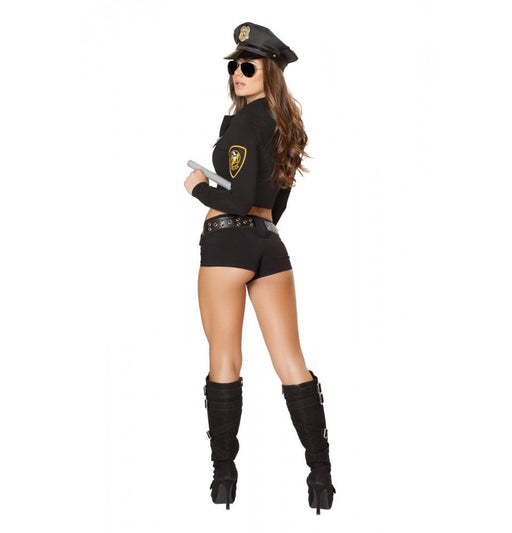
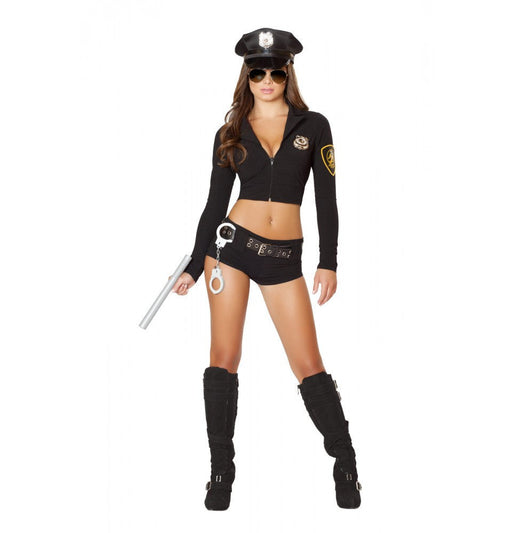
Sexy Police Officer Hottie | Costume-Shop.com
Low stock
🚓 Enforce Fun with a Dash of Flair! Step into the role of authority with the Sexy Police Officer Hottie Costume from www.Costume-shop.com. Designed...
View full details
Original price
$66.95
-
Original price
$66.95
Original price
$66.95
$66.95
-
$66.95
Current price
$66.95


Original price
$97.95
-
Original price
$97.95
Original price
$97.95
$97.95
-
$97.95
Current price
$97.95
Sexy Miss Claus Costume | Costume-Shop.com
Low stock
C170Sexy Miss Claus Costume Includes:Long Robe with Fur Trim Detail, Detachable Belt, & Shorts Material:Stretch Velvet Ships From:Los Angeles S...
View full details
Original price
$97.95
-
Original price
$97.95
Original price
$97.95
$97.95
-
$97.95
Current price
$97.95
Original price
$73.95
-
Original price
$73.95
Original price
$73.95
$73.95
-
$73.95
Current price
$73.95
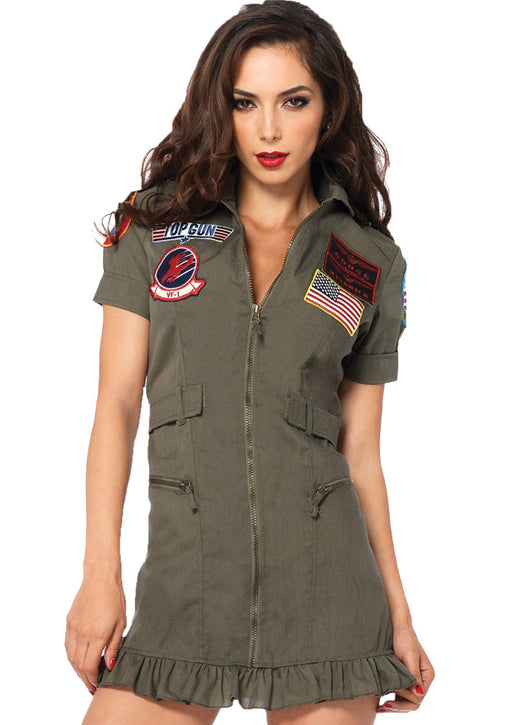
Top Gun Flight Dress | Costume-shop.com
In stock
✈️ Feel the Need for Speed! Elevate your costume game at your next party, Halloween event, or any gathering calling for a bit of high-flying action...
View full details
Original price
$73.95
-
Original price
$73.95
Original price
$73.95
$73.95
-
$73.95
Current price
$73.95
Leave a comment