

Unleashing Your Creativity: Costume Design Basics
Introduction
Welcome to the fascinating world of costume design! Whether you are a professional designer or a passionate hobbyist, understanding the basics of costume design is essential to create visually captivating and impactful costumes. In this blog, we will explore the fundamental principles that form the foundation of costume design.
1. Research and Conceptualization
Before diving into creating your costume, it is crucial to conduct thorough research and develop a clear concept. Start by studying the character, time period, culture, or theme you are working with. Gather visual references from paintings, photographs, movies, or historical sources that inspire you. By immersing yourself in research, you will gain valuable insights into the cultural context and visual aesthetics associated with your project.
Once you have gathered sufficient reference material, begin conceptualizing your design by sketching out ideas on paper or digitally. Experiment with various silhouettes, color palettes, textures, and patterns. Remember that each element of your design should contribute to telling a story or conveying a specific emotion.
2. Understanding Fabric and Materials
Fabric selection plays a crucial role in bringing your costume design to life. Different fabrics drape differently and can evoke different moods. For example, using flowing silk fabric may give an ethereal and elegant feel to a dress whereas using leather may create a strong and edgy look.
Consider the practical aspects of your costume as well. Will it be worn for an extended period? In that case, you may want to prioritize comfort and durability. Will the costume require frequent washing or maintenance? Opt for fabrics that are easy to clean and maintain.
Additionally, don't forget to consider the weight, transparency, and stretchability of the fabric according to the specific needs of your design. Experimenting with different textiles will help you achieve the desired visual impact.
3. Silhouette and Proportions
The silhouette refers to the overall shape and outline of a costume. It is crucial in conveying character traits or representing a particular historical period accurately. Pay attention to how each garment piece interacts with others and contributes to the overall composition.
Proportions are equally important in achieving a balanced look. Consider the proportions of each individual's body who will wear the costume as well as how they interact with other elements like accessories or headpieces. An ill-fitting or disproportional costume can distract from its intended impact.
Experiment with different combinations of garments, accessories, and embellishments until you find a visually harmonious balance that enhances the wearer's appearance and embodies their character or theme.
4. Color Theory
The strategic use of color can greatly influence how a costume is perceived by an audience. Colors have psychological meanings and associations that can amplify or subdue certain emotions or character attributes.
Familiarize yourself with basic color theory concepts such as complementary colors (colors opposite each other on the color wheel), analogous colors (colors adjacent to each other on the color wheel), warm colors (red, orange, yellow), cool colors (blue, green, purple), and neutral colors (black, white, gray).
Understand the mood and symbolism behind different color combinations to effectively communicate your costume's intended message. For example, red can symbolize passion or danger, while blue can represent calmness or trust.
5. Attention to Detail
The magic of great costume design lies in the attention to detail. Paying close attention to even the smallest elements can elevate your design from ordinary to extraordinary.
Consider incorporating intricate embellishments like embroidery, beading, or appliques to add texture and visual interest. Accessories such as hats, jewelry, belts, or shoes can enhance the overall look and personality of the costume.
Do not overlook the importance of hairstyling and makeup when designing a complete look. These elements can greatly contribute to enhancing the character's appearance and reinforcing their story.
Conclusion
Costume design is an art form that requires a balance of creativity, research, and attention to detail. By understanding these basic principles of costume design, you will be able to create captivating costumes that captivate audiences and enhance storytelling in various mediums such as theater productions, film sets, or cosplay events.
Remember that these basics are just the starting point; experiment with different techniques and materials while staying true to your vision. Let your creativity soar as you bring characters and stories to life through the transformative power of costume design!
Featured collection
Original price
$27.95
-
Original price
$27.95
Original price
$27.95
$27.95
-
$27.95
Current price
$27.95
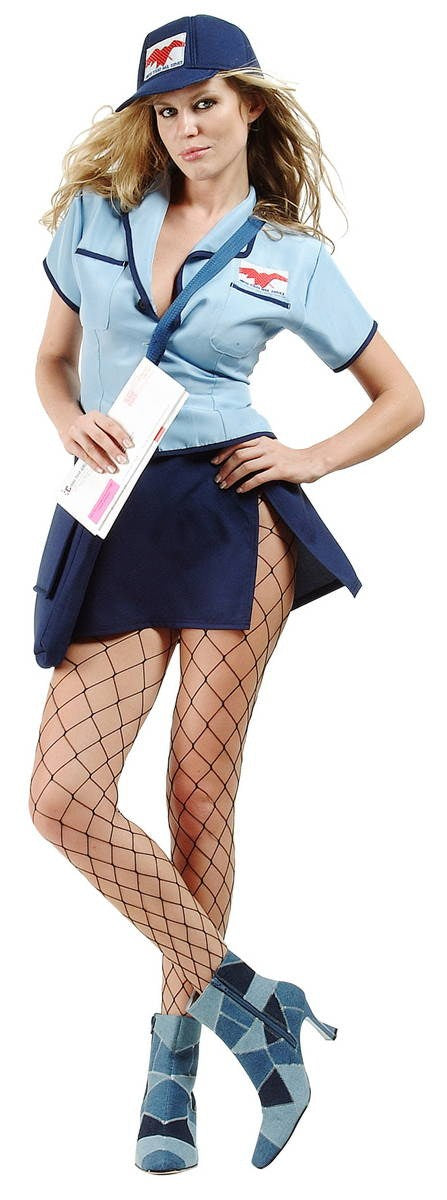
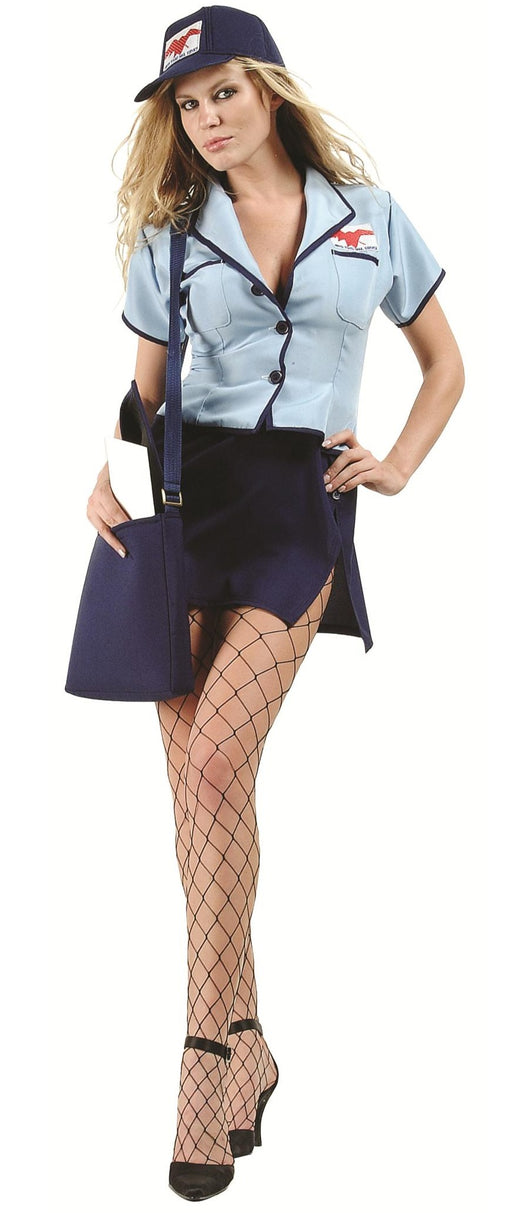
Sexy Post Office Girl | Costume-Shop.com
In stock
Attention all aspiring letter carriers and mail enthusiasts! Prepare to deliver a package of seductive style and naughty charm with our Sexy Post O...
View full details
Original price
$27.95
-
Original price
$27.95
Original price
$27.95
$27.95
-
$27.95
Current price
$27.95


Original price
$110.95
-
Original price
$110.95
Original price
$110.95
$110.95
-
$110.95
Current price
$110.95
Northern Warrior Costume | Costume-Shop.com
Low stock
Upgrade your costume game to legendary status with the Northern Warrior Costume! Designed for rugged adventurers and fearless warriors of the North...
View full details
Original price
$110.95
-
Original price
$110.95
Original price
$110.95
$110.95
-
$110.95
Current price
$110.95
Original price
$66.95
-
Original price
$66.95
Original price
$66.95
$66.95
-
$66.95
Current price
$66.95
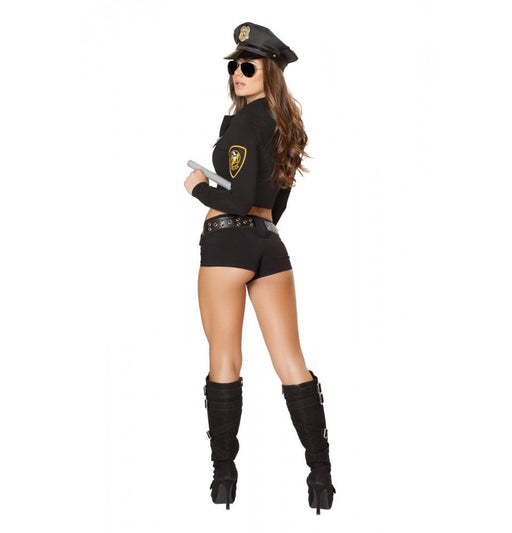
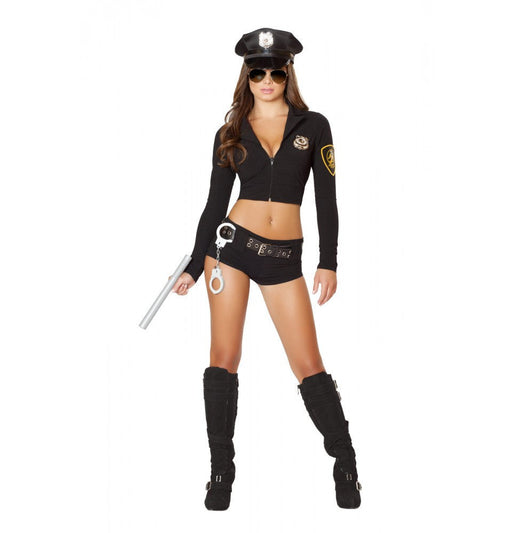
Sexy Police Officer Hottie | Costume-Shop.com
Low stock
🚓 Enforce Fun with a Dash of Flair! Step into the role of authority with the Sexy Police Officer Hottie Costume from www.Costume-shop.com. Designed...
View full details
Original price
$66.95
-
Original price
$66.95
Original price
$66.95
$66.95
-
$66.95
Current price
$66.95


Original price
$97.95
-
Original price
$97.95
Original price
$97.95
$97.95
-
$97.95
Current price
$97.95
Sexy Miss Claus Costume | Costume-Shop.com
Low stock
C170Sexy Miss Claus Costume Includes:Long Robe with Fur Trim Detail, Detachable Belt, & Shorts Material:Stretch Velvet Ships From:Los Angeles S...
View full details
Original price
$97.95
-
Original price
$97.95
Original price
$97.95
$97.95
-
$97.95
Current price
$97.95
Original price
$73.95
-
Original price
$73.95
Original price
$73.95
$73.95
-
$73.95
Current price
$73.95
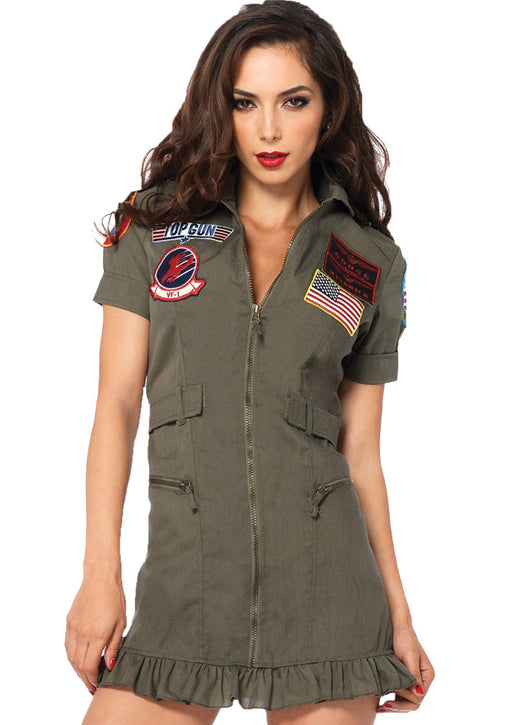
Top Gun Flight Dress | Costume-shop.com
In stock
✈️ Feel the Need for Speed! Elevate your costume game at your next party, Halloween event, or any gathering calling for a bit of high-flying action...
View full details
Original price
$73.95
-
Original price
$73.95
Original price
$73.95
$73.95
-
$73.95
Current price
$73.95
Leave a comment