

Understanding Theatrical Costumes
The world of theater is a magical place, where stories come to life on stage. One essential element that helps transport the audience into another world is the use of theatrical costumes. These costumes play a crucial role in enhancing the performance and bringing the characters to life. In this article, we will dive deep into understanding theatrical costumes and their importance in creating memorable theater experiences.
What are Theatrical Costumes?
Theatrical costumes are clothing or outfits worn by actors and actresses during performances to help portray a character. Unlike regular everyday clothing, theatrical costumes are designed with specific purposes in mind. They need to be visually appealing, durable, and functional enough to withstand multiple performances. They also need to reflect the time period, setting, and personality of the character being portrayed.
The Importance of Theatrical Costumes
Costumes play a vital role in theater productions for several reasons:
- Character Development: The right costume can help an actor get into character. When actors wear costumes that align with their roles, it becomes easier for them to embody their characters' traits, mannerisms, and emotions.
- Aesthetics: The visual impact of costumes cannot be underestimated. Well-designed and visually appealing costumes can captivate the audience's attention and enhance their overall experience.
- Setting and Time Period: Theatrical costumes serve as visual cues that indicate the time period and setting of a play. Whether it's a historical drama or a contemporary piece, costumes help establish the context and immerse the audience in the world of the story.
- Storytelling: Costumes are a powerful storytelling tool. They can provide insights into a character's background, social status, occupation, or personality traits without the need for lengthy exposition. A well-chosen costume can instantly communicate information about a character to the audience.
- Unity and Cohesion: The costumes of all characters must work together to create a cohesive visual experience. Costume designers ensure that each character's outfits complement each other while still reflecting their individuality.
The Process of Creating Theatrical Costumes
Crafting theatrical costumes is a collaborative process involving various individuals. Let's take a look at how these costumes come to life:
- Script Analysis: Costume designers read and analyze the script to understand the characters' roles, personalities, and arcs. They take note of any specific requirements mentioned in the script that relate to costumes.
- Research: After gaining an understanding of the characters, time period, and setting, costume designers conduct thorough research. This research includes studying historical references, fashion trends, cultural influences, and any other relevant sources that might inform their design choices.
- Collaboration: Costume designers collaborate closely with directors, set designers, lighting designers, and other creative team members to ensure that all aspects of production work harmoniously together.
- Sketching and Designing: Based on their research and collaboration with other team members, costume designers create initial sketches to visualize their ideas. These sketches then go through several iterations until they reach the desired design.
- Fabric Selection and Construction: Once the designs are finalized, costume designers select appropriate fabrics and materials to bring their vision to life. They create prototypes and patterns, conduct fittings with actors, and make necessary adjustments to ensure a perfect fit.
- Accessories and Finishing Touches: Accessories such as hats, shoes, jewelry, and props are carefully selected or created to complement the costumes. These details add depth and authenticity to the characters.
The Role of Costume Designers
Costume designers play a pivotal role in creating theatrical costumes that fulfill their intended purposes. They possess a unique blend of artistic creativity, historical knowledge, fashion sense, and practical skills. Some of their responsibilities include:
- Conceptualization: Costume designers work closely with directors and other creative team members to develop a cohesive visual concept for the production.
- Character Analysis: They analyze each character's personality traits, motivations, relationships, social status, and background to create costumes that accurately reflect these aspects.
- Budget Management: Costume designers must work within budget constraints while still ensuring high-quality costumes.
- Sewing and Tailoring: Many costume designers have excellent sewing skills or collaborate with skilled artisans who bring their designs to life through meticulous craftsmanship.
- Communication: Effective communication is crucial for costume designers as they need to collaborate with various individuals involved in the production process. This includes actors, directors, set designers, lighting technicians, makeup artists, and more.
Famous Theatrical Costumes
Over the years, numerous iconic costumes have left a lasting impact on theater history. Here are a few famous examples:
- The Phantom's Mask and Cape (The Phantom of the Opera): The Phantom's costume is instantly recognizable with its half-mask and flowing black cape, adding to the character's mystique.
- Dorothy's Blue Gingham Dress (The Wizard of Oz): Dorothy's dress represents innocence and simplicity, making her relatable to audiences of all ages.
- Elphaba's Wicked Witch Costume (Wicked): Elphaba's iconic green-skinned witch outfit captures her misunderstood nature and rebellion against societal norms.
- The Lion King Costumes (The Lion King): The intricate animal costumes in The Lion King bring the characters to life with their stunning craftsmanship and attention to detail.
In Conclusion
Theatrical costumes are not mere garments; they are powerful tools used by actors, directors, and designers to create immersive experiences for audiences. They enhance character development, provide visual cues about time periods and settings, aid in storytelling, and contribute to the overall aesthetic appeal of a production. Understanding theatrical costumes helps us appreciate the artistry behind their creation and adds another layer of enjoyment when watching a live performance.
Featured collection
Original price
$27.95
-
Original price
$27.95
Original price
$27.95
$27.95
-
$27.95
Current price
$27.95
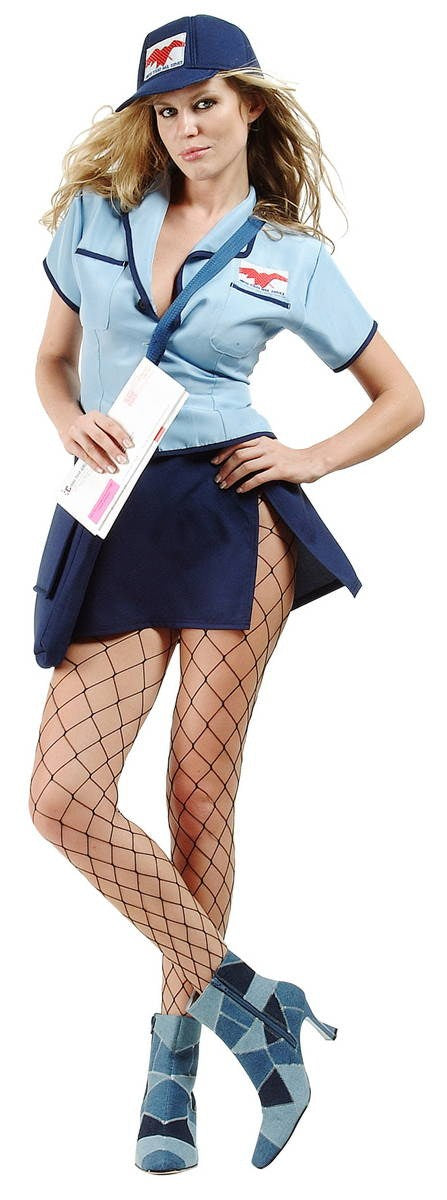
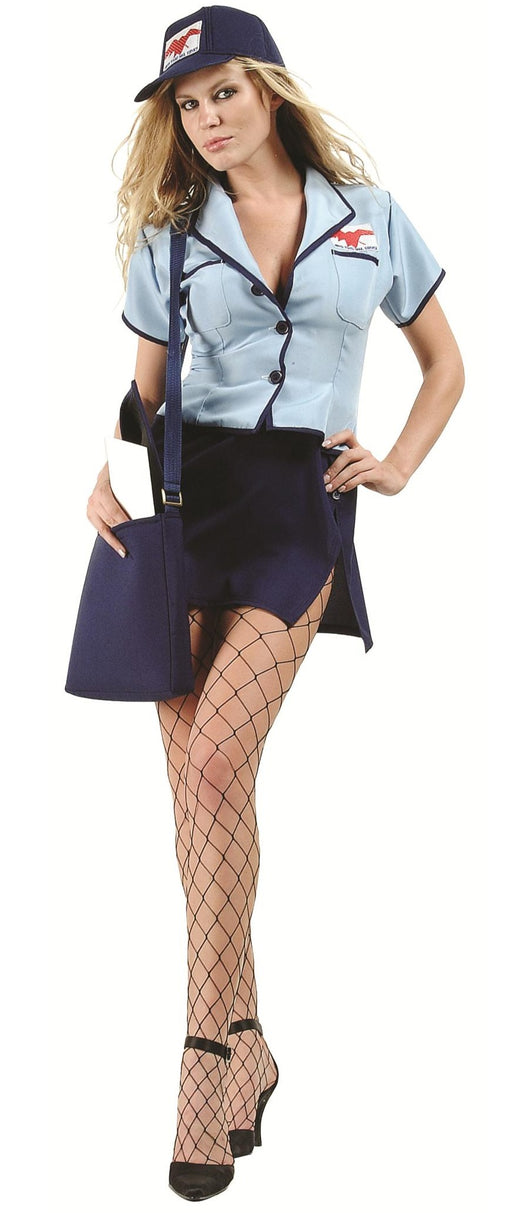
Sexy Post Office Girl | Costume-Shop.com
In stock
Attention all aspiring letter carriers and mail enthusiasts! Prepare to deliver a package of seductive style and naughty charm with our Sexy Post O...
View full details
Original price
$27.95
-
Original price
$27.95
Original price
$27.95
$27.95
-
$27.95
Current price
$27.95


Original price
$110.95
-
Original price
$110.95
Original price
$110.95
$110.95
-
$110.95
Current price
$110.95
Northern Warrior Costume | Costume-Shop.com
Low stock
Upgrade your costume game to legendary status with the Northern Warrior Costume! Designed for rugged adventurers and fearless warriors of the North...
View full details
Original price
$110.95
-
Original price
$110.95
Original price
$110.95
$110.95
-
$110.95
Current price
$110.95
Original price
$66.95
-
Original price
$66.95
Original price
$66.95
$66.95
-
$66.95
Current price
$66.95
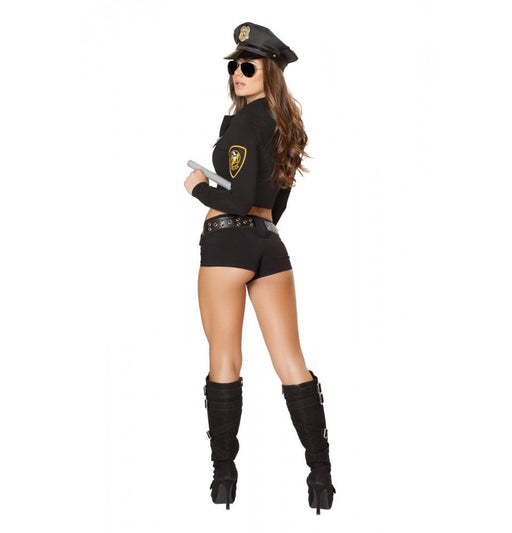
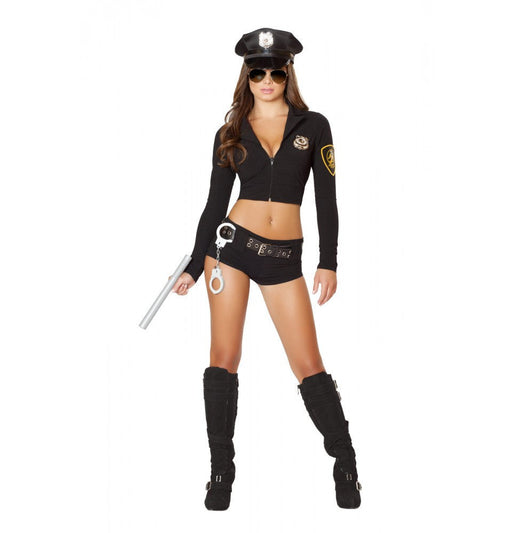
Sexy Police Officer Hottie | Costume-Shop.com
Low stock
🚓 Enforce Fun with a Dash of Flair! Step into the role of authority with the Sexy Police Officer Hottie Costume from www.Costume-shop.com. Designed...
View full details
Original price
$66.95
-
Original price
$66.95
Original price
$66.95
$66.95
-
$66.95
Current price
$66.95


Original price
$97.95
-
Original price
$97.95
Original price
$97.95
$97.95
-
$97.95
Current price
$97.95
Sexy Miss Claus Costume | Costume-Shop.com
Low stock
C170Sexy Miss Claus Costume Includes:Long Robe with Fur Trim Detail, Detachable Belt, & Shorts Material:Stretch Velvet Ships From:Los Angeles S...
View full details
Original price
$97.95
-
Original price
$97.95
Original price
$97.95
$97.95
-
$97.95
Current price
$97.95
Original price
$73.95
-
Original price
$73.95
Original price
$73.95
$73.95
-
$73.95
Current price
$73.95
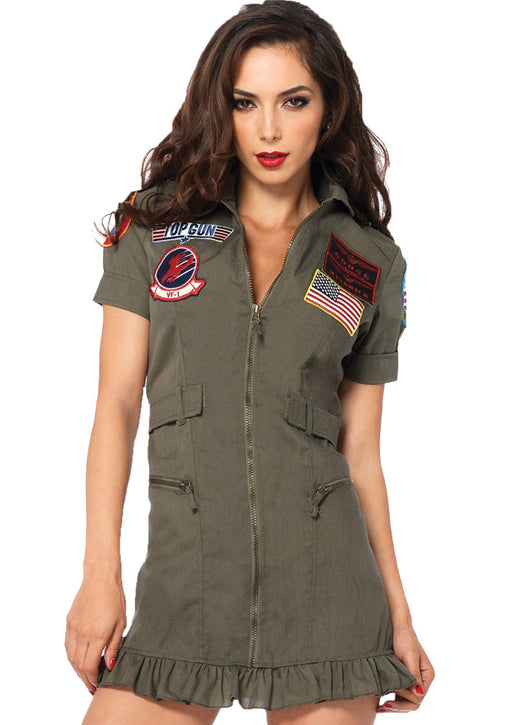
Top Gun Flight Dress | Costume-shop.com
In stock
✈️ Feel the Need for Speed! Elevate your costume game at your next party, Halloween event, or any gathering calling for a bit of high-flying action...
View full details
Original price
$73.95
-
Original price
$73.95
Original price
$73.95
$73.95
-
$73.95
Current price
$73.95
Leave a comment