

The Role of Costumes in Film
In the world of cinema, costumes play a crucial role in bringing movie characters to life. A well-designed costume can enhance a character's personality, communicate their backstory, and even become an iconic symbol associated with the film itself. From superheroes in spandex to historical figures in period attire, costumes have the power to captivate audiences and contribute to the overall storytelling experience.
Costumes are not just mere clothes; they are carefully crafted pieces that aid in character development and help actors embody their roles more convincingly. Through color choices, fabric textures, and intricate details, costume designers work closely with filmmakers to ensure that every costume aligns with the story's narrative and enhances the audience's understanding of the characters.
The Visual Language of Costume Design
Costume design is a form of visual storytelling that speaks volumes without saying a word. When we see a character in a specific outfit, it immediately provides us with valuable information about who they are or what they represent. For example:
- A superhero donning a colorful suit signifies bravery and power.
- A detective dressed in a trench coat portrays intelligence and mystery.
- A princess adorned in an elegant gown represents grace and femininity.
- A villain wearing dark, ominous clothing evokes a sense of danger.
These costume choices are deliberate and intentional, as they enable the audience to form immediate connections with the characters and understand their roles within the story.
The Emotional Impact of Costumes
Costumes not only provide visual cues but also evoke emotional responses from the audience. The clothes characters wear can create a sense of empathy, intrigue, or even fear. By carefully selecting costumes that resonate with the character's personality or situation, filmmakers can elicit specific emotional reactions from viewers.
For instance, imagine watching a war film where soldiers are dressed in worn-out uniforms covered in dirt and bloodstains. The gritty costumes immediately communicate the harsh realities of war and evoke feelings of sympathy towards the characters' struggles. On the other hand, seeing a character dressed in a glamorous ball gown may evoke awe or envy, showcasing the allure and opulence associated with high society.
Character Transformation Through Costumes
Costumes can also be used to signify character transformations throughout a movie. As a character goes through personal growth or undergoes significant changes in their journey, their costumes often reflect these transformations.
A prime example is seen in superhero films where the protagonist starts off as an ordinary person before acquiring superhuman abilities. Their initial costume may be plain and unremarkable to signify their humble beginnings. However, as they embrace their powers and take on their heroic identity, their costume undergoes a dramatic change, becoming more vibrant and symbolizing their newfound confidence.
The Iconic Power of Costumes
Some movie costumes become so iconic that they are instantly recognizable and forever associated with the characters who wore them. Think of Marilyn Monroe's white dress in "The Seven Year Itch" or Audrey Hepburn's little black dress in "Breakfast at Tiffany's." These costumes have transcended their films and continue to be celebrated as timeless fashion statements.
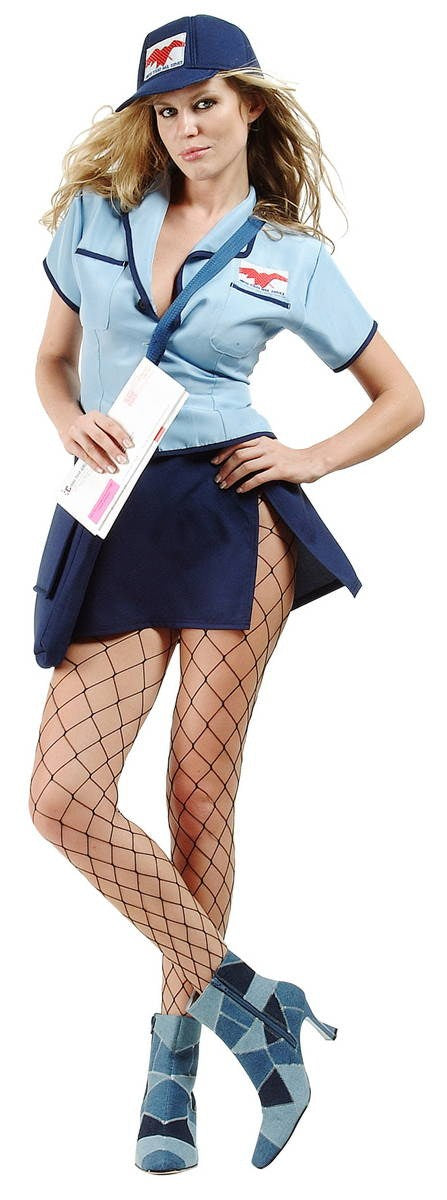
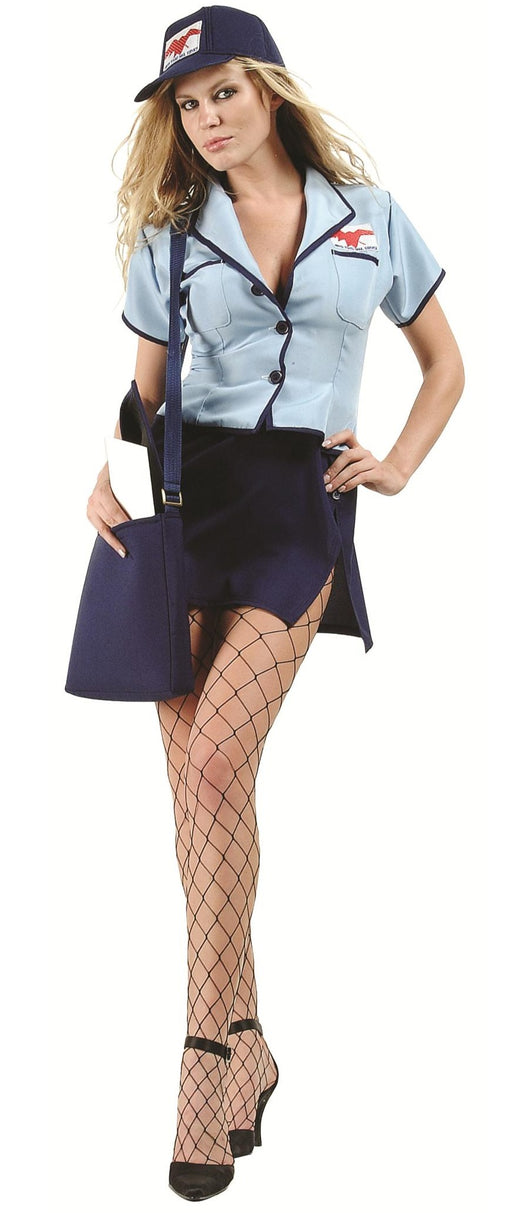
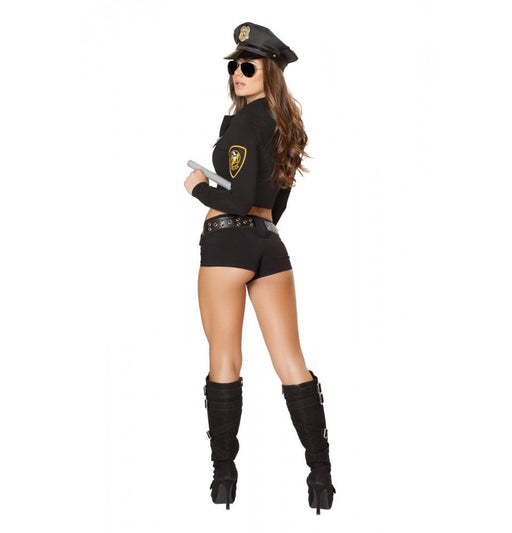
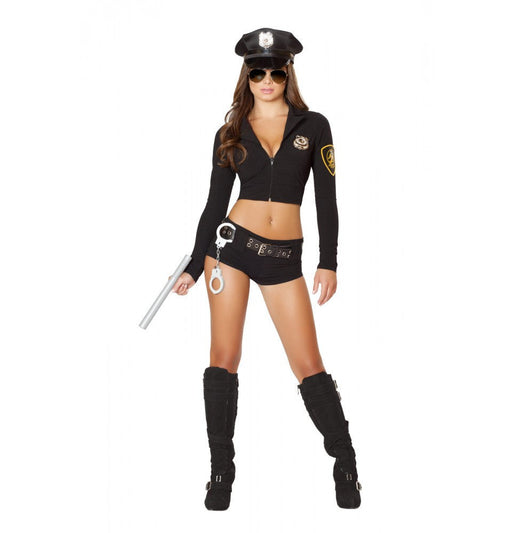
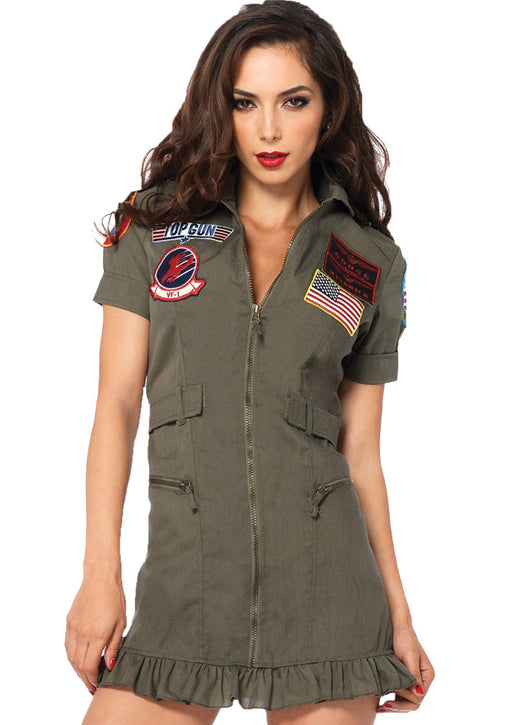
Additionally, costume replicas and Halloween outfits inspired by memorable movie characters are highly sought after by fans worldwide. The influence and impact of these costumes extend far beyond the screen, leaving a lasting impression on popular culture.
The Collaborative Process
Crafting costumes for movies is not a solo endeavor. Costume designers work closely with directors, production designers, and actors to create cohesive visual narratives. They conduct extensive research into the film's time period, setting, and character backgrounds to ensure accuracy and authenticity in their designs.
Furthermore, actors themselves often provide valuable input into their character's wardrobe choices. Through discussions and fittings with costume designers, they can contribute to the development of their character by suggesting specific details or alterations that align with their interpretation of the role.
In Conclusion
Costumes play a vital role in shaping movie characters and enhancing the overall cinematic experience. They communicate information about a character's personality, backstory, emotions, and transformations throughout the story. The right costume can evoke powerful emotional responses from viewers while also becoming iconic symbols associated with both the character and the film itself.
Next time you watch your favorite movie or catch a new release, pay close attention to the costumes worn by the characters. You'll discover a whole new layer of storytelling that adds depth and richness to your viewing experience.




Leave a comment