

The Surprising Uses of Fake Skin
The Surprising Uses of Fake Skin
Introduction
Fake skin, also known as synthetic skin or artificial skin, has been widely used in various industries for its versatility and practicality. While its origins lie in medical applications, advancements in technology have expanded its usage to many unexpected areas. In this article, we will explore the surprising uses of fake skin and its impact on different sectors.
1. Medical Field
Fake skin has revolutionized the field of medicine by providing an effective solution for wound healing and tissue regeneration. It is commonly used to treat burn victims as it mimics the properties of real human skin, allowing it to protect the wound from infection and promote faster healing. Additionally, fake skin can be used in surgical training programs to simulate realistic conditions for medical students.
Furthermore, researchers are exploring the potential of fake skin in developing prosthetic limbs with enhanced sensory capabilities. By incorporating sensors into artificial skin, amputees can regain their sense of touch and improve their overall quality of life.
2. Cosmetic Industry
In recent years, fake skin has gained popularity in the cosmetic industry for testing and developing new skincare products. Instead of using animals for experimentation, companies now have the option to use artificial skin models that closely resemble human skin. This allows them to study the effects of different ingredients and formulations without causing harm to animals.
Additionally, fake skin is used to create lifelike mannequins for makeup artists and beauty professionals. These mannequins provide a realistic surface for practicing various techniques, such as applying makeup, skincare treatments, and even hair removal procedures. They are an invaluable tool for training and perfecting skills before working on real clients.
3. Fashion Industry
Believe it or not, fake skin has made its way into the fashion industry. Designers have started incorporating synthetic materials that resemble human skin into their creations, resulting in unique and avant-garde designs. These unconventional fabrics add an element of intrigue and challenge traditional notions of beauty.
Besides clothing, fake skin is also used in accessory production. It can be molded into intricate patterns and shapes to create eye-catching jewelry pieces like bracelets or necklaces. The versatility of fake skin allows designers to experiment with textures and colors that would be difficult or impossible to achieve with natural materials.
4. Special Effects
Fake skin plays a crucial role in the film, television, and theater industries when creating realistic special effects. Special effects artists use synthetic materials to simulate wounds, scars, aging effects, or other physical transformations required for a character's appearance.
By using fake skin prosthetics, actors can undergo incredible transformations without enduring hours of makeup application or invasive procedures. The ability to quickly apply and remove these prosthetics enhances the efficiency of production timelines while maintaining the desired visual impact.
5. Automotive Sector
The automotive industry has also found applications for fake skin. One such use is in crash test simulations, where artificial skin models are placed on dummies to assess the potential impact of accidents on human bodies. By analyzing how fake skin responds to different forces, engineers can design safer vehicles and improve occupant protection.
Fake skin is also utilized in car interior design. Manufacturers use synthetic materials that mimic the texture and feel of real leather to create an upscale look while being more environmentally friendly and cost-effective.
Conclusion
Fake skin's versatility has made it a valuable asset in various industries. From its origins in wound healing to unexpected applications in fashion, cosmetics, special effects, and automotive sectors, this innovative material continues to redefine possibilities and push boundaries.
As technology advances further, we can only anticipate even more remarkable uses for fake skin. Its ability to replicate the properties of real human skin while offering additional advantages makes it a prime candidate for future developments across numerous fields.
Featured collection
Original price
$27.95
-
Original price
$27.95
Original price
$27.95
$27.95
-
$27.95
Current price
$27.95
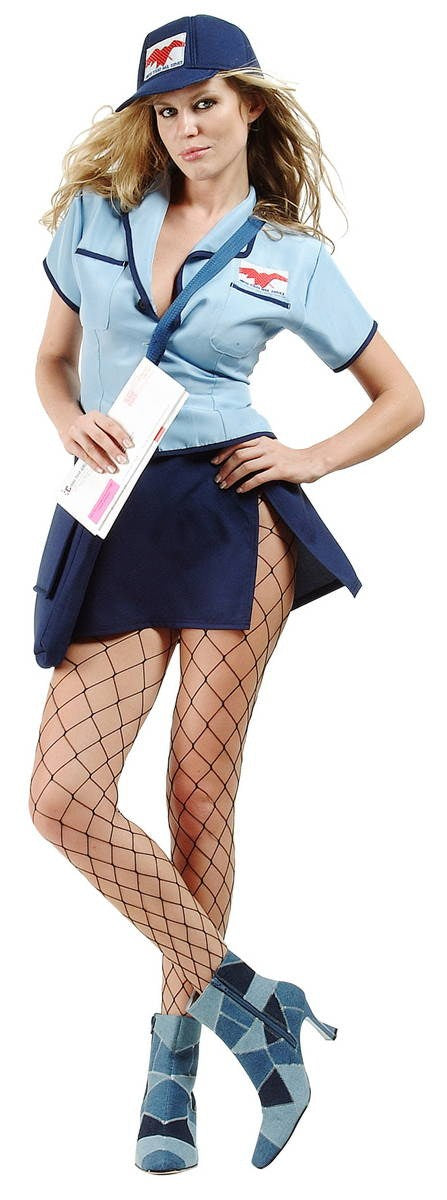
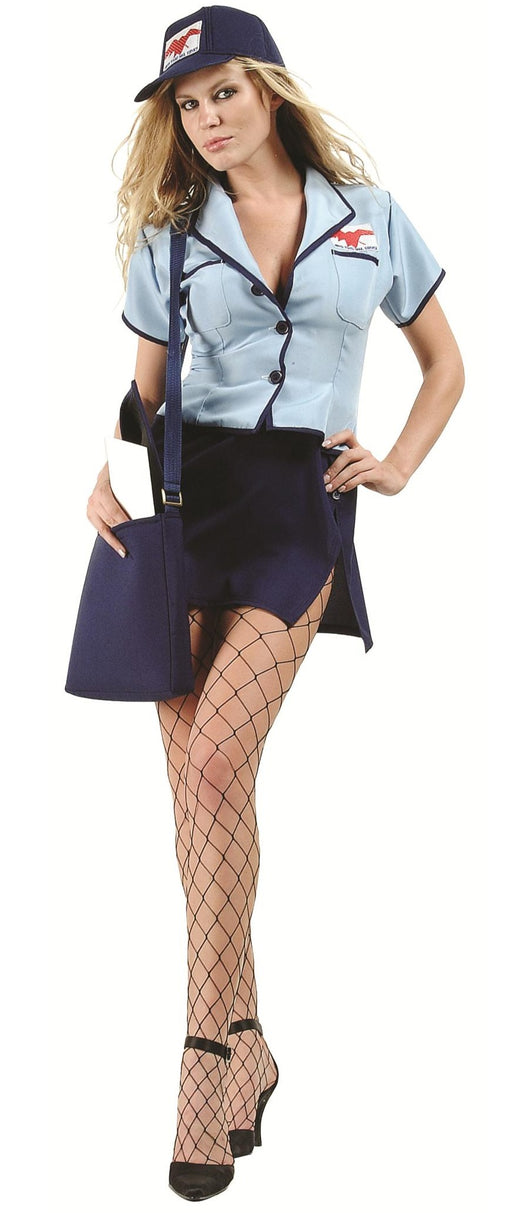
Sexy Post Office Girl | Costume-Shop.com
In stock
Attention all aspiring letter carriers and mail enthusiasts! Prepare to deliver a package of seductive style and naughty charm with our Sexy Post O...
View full details
Original price
$27.95
-
Original price
$27.95
Original price
$27.95
$27.95
-
$27.95
Current price
$27.95


Original price
$110.95
-
Original price
$110.95
Original price
$110.95
$110.95
-
$110.95
Current price
$110.95
Northern Warrior Costume | Costume-Shop.com
Low stock
Upgrade your costume game to legendary status with the Northern Warrior Costume! Designed for rugged adventurers and fearless warriors of the North...
View full details
Original price
$110.95
-
Original price
$110.95
Original price
$110.95
$110.95
-
$110.95
Current price
$110.95
Original price
$66.95
-
Original price
$66.95
Original price
$66.95
$66.95
-
$66.95
Current price
$66.95
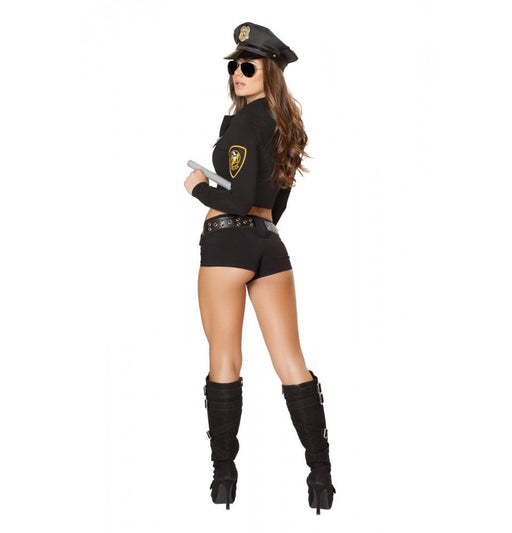
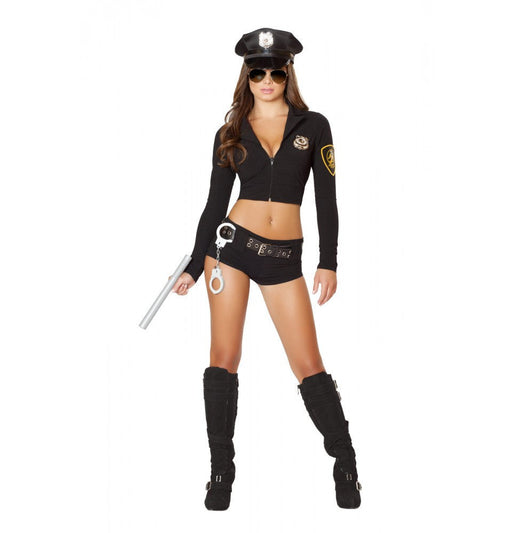
Sexy Police Officer Hottie | Costume-Shop.com
Low stock
🚓 Enforce Fun with a Dash of Flair! Step into the role of authority with the Sexy Police Officer Hottie Costume from www.Costume-shop.com. Designed...
View full details
Original price
$66.95
-
Original price
$66.95
Original price
$66.95
$66.95
-
$66.95
Current price
$66.95


Original price
$97.95
-
Original price
$97.95
Original price
$97.95
$97.95
-
$97.95
Current price
$97.95
Sexy Miss Claus Costume | Costume-Shop.com
Low stock
C170Sexy Miss Claus Costume Includes:Long Robe with Fur Trim Detail, Detachable Belt, & Shorts Material:Stretch Velvet Ships From:Los Angeles S...
View full details
Original price
$97.95
-
Original price
$97.95
Original price
$97.95
$97.95
-
$97.95
Current price
$97.95
Original price
$73.95
-
Original price
$73.95
Original price
$73.95
$73.95
-
$73.95
Current price
$73.95
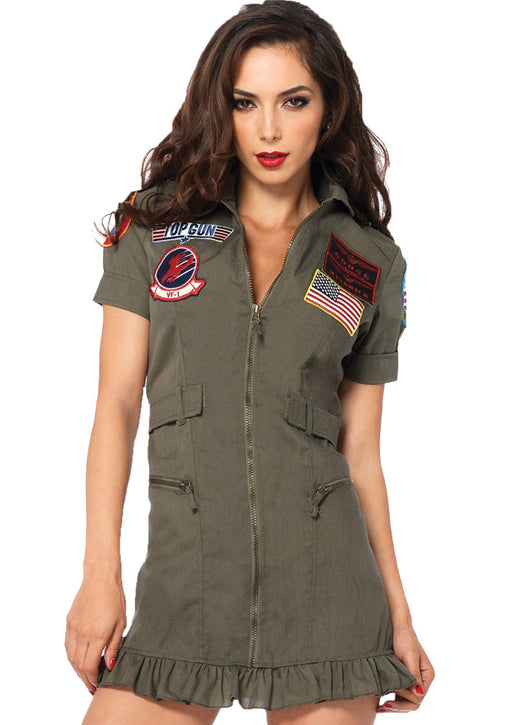
Top Gun Flight Dress | Costume-shop.com
In stock
✈️ Feel the Need for Speed! Elevate your costume game at your next party, Halloween event, or any gathering calling for a bit of high-flying action...
View full details
Original price
$73.95
-
Original price
$73.95
Original price
$73.95
$73.95
-
$73.95
Current price
$73.95
Leave a comment