

The Making of The Little Mermaid: From Storyboard to Silver Screen
When it comes to beloved animated films, The Little Mermaid ranks high on the list. Released in 1989, this Disney classic captured the hearts of audiences young and old with its enchanting story and memorable characters. But have you ever wondered about the process behind bringing this underwater tale to life? In this article, we'll dive into the making of The Little Mermaid, from storyboard to silver screen.
From Page to Film: The Birth of a Story
Before a movie can be made, there needs to be a story. The origins of The Little Mermaid can be traced back to Hans Christian Andersen's fairy tale, first published in 1837. This melancholic tale served as the inspiration for Disney's adaptation but underwent significant changes to fit the magical and musical world they envisioned.
The next step in the process is turning the story into visual form through storyboarding. Storyboards are essentially comic book-style panels that depict each scene, allowing filmmakers to plan out shots, camera angles, and transitions. For The Little Mermaid, talented artists brought Andersen's tale and Disney's creative vision together by creating thousands of detailed illustrations.

Casting Voices and Crafting Characters
A vital aspect of any animated film is finding the perfect voices for its characters. For The Little Mermaid, Disney enlisted renowned voice actors such as Jodi Benson as Ariel, the curious and determined mermaid princess, and Pat Carroll as Ursula, the iconic villainous sea witch. These talented actors brought the characters to life through their voice acting skills, giving them personality and depth.
While the actors provided the voices, animators were hard at work bringing these characters to visual life. Thanks to advancements in technology, Disney was able to create more dynamic and expressive animations. The artists meticulously studied human movements and expressions to make the characters feel lifelike and relatable.

Music: A Key Ingredient
One of the most memorable aspects of The Little Mermaid is its incredible soundtrack composed by Alan Menken with lyrics by Howard Ashman. The music plays a significant role in telling the story and capturing the emotions of each scene. From Ariel's iconic song "Part of Your World" to Sebastian's lively performance in "Under the Sea," each musical number adds depth and enhances the overall experience.
Creating a musical requires careful collaboration between composers, lyricists, vocalists, musicians, and choreographers. The team behind The Little Mermaid worked together to craft catchy melodies that would stand the test of time. The result was an unforgettable soundtrack that became a staple of Disney movies.

The Animation Process
Animated films like The Little Mermaid go through an extensive animation process that starts with hand-drawn sketches and ends with fully colored scenes. Animators begin by creating rough pencil drawings known as "keyframes." These keyframes establish important poses and movements for each character within a scene.
Once the keyframes are approved, they are passed on to the "in-betweeners" who fill in the gaps. These artists create additional drawings that connect the keyframes, ensuring smooth and fluid movements. This process is repeated multiple times until every movement looks seamless.
Next comes the process of coloring. Each scene is meticulously painted by hand, with attention to detail being paramount. The color palettes and shading techniques used by Disney's art department give each frame depth and dimension.

From Silver Screen to Hearts Everywhere
After years of hard work and dedication from an army of talented individuals, The Little Mermaid was ready for its cinematic release. The film hit theaters in 1989 and instantly became a critical and commercial success. Audiences fell in love with Ariel and her journey to become part of the human world.
The impact of The Little Mermaid went beyond the box office. It kickstarted what is now known as the "Disney Renaissance," a period where Disney produced several highly acclaimed animated films such as Beauty and the Beast, The Lion King, and Aladdin. The movie also won two Academy Awards for Best Original Score and Best Original Song.
A Timeless Tale
The Little Mermaid continues to captivate audiences today, more than three decades after its initial release. Its timeless storytelling, beautiful animation, and memorable characters have made it a cherished part of many childhoods.
The making of this animated masterpiece involved countless hours of hard work, creativity, and collaboration. From storyboard to silver screen, each stage played a crucial role in bringing this underwater adventure to life. The end result is a film that has earned its place in the hearts of millions around the world.
So, the next time you watch The Little Mermaid, take a moment to appreciate the incredible journey it took from concept to completion. It's a testament to the magic of storytelling and the dedication of those who bring dreams to life on the silver screen.
Featured collection
Original price
$27.95
-
Original price
$27.95
Original price
$27.95
$27.95
-
$27.95
Current price
$27.95
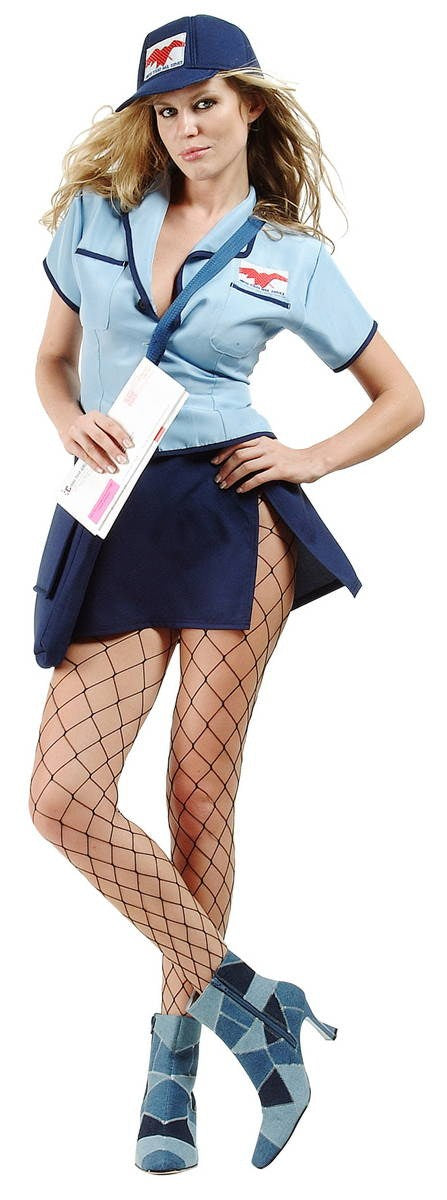
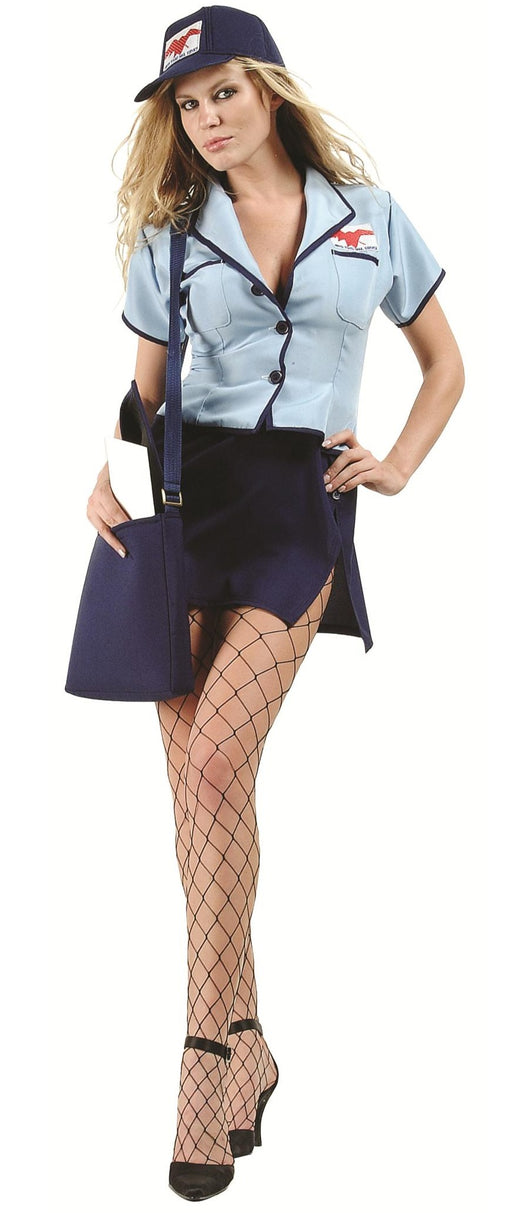
Sexy Post Office Girl | Costume-Shop.com
In stock
Attention all aspiring letter carriers and mail enthusiasts! Prepare to deliver a package of seductive style and naughty charm with our Sexy Post O...
View full details
Original price
$27.95
-
Original price
$27.95
Original price
$27.95
$27.95
-
$27.95
Current price
$27.95


Original price
$110.95
-
Original price
$110.95
Original price
$110.95
$110.95
-
$110.95
Current price
$110.95
Northern Warrior Costume | Costume-Shop.com
Low stock
Upgrade your costume game to legendary status with the Northern Warrior Costume! Designed for rugged adventurers and fearless warriors of the North...
View full details
Original price
$110.95
-
Original price
$110.95
Original price
$110.95
$110.95
-
$110.95
Current price
$110.95
Original price
$66.95
-
Original price
$66.95
Original price
$66.95
$66.95
-
$66.95
Current price
$66.95
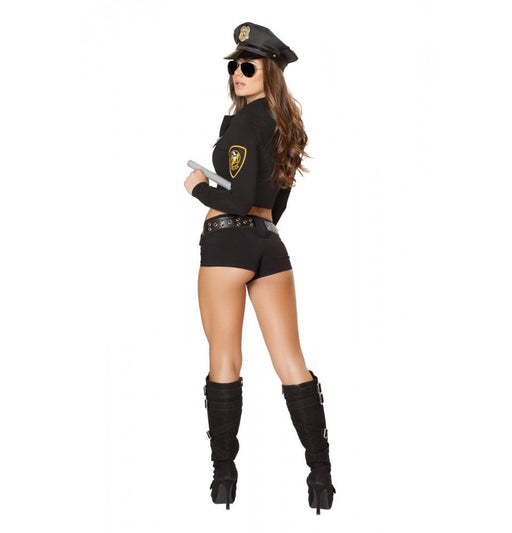
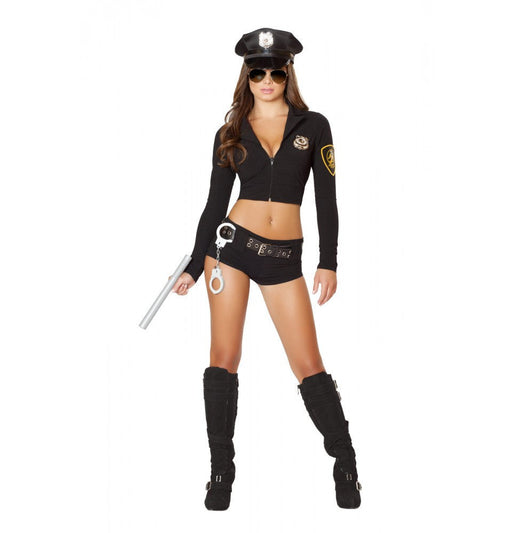
Sexy Police Officer Hottie | Costume-Shop.com
Low stock
🚓 Enforce Fun with a Dash of Flair! Step into the role of authority with the Sexy Police Officer Hottie Costume from www.Costume-shop.com. Designed...
View full details
Original price
$66.95
-
Original price
$66.95
Original price
$66.95
$66.95
-
$66.95
Current price
$66.95


Original price
$97.95
-
Original price
$97.95
Original price
$97.95
$97.95
-
$97.95
Current price
$97.95
Sexy Miss Claus Costume | Costume-Shop.com
Low stock
C170Sexy Miss Claus Costume Includes:Long Robe with Fur Trim Detail, Detachable Belt, & Shorts Material:Stretch Velvet Ships From:Los Angeles S...
View full details
Original price
$97.95
-
Original price
$97.95
Original price
$97.95
$97.95
-
$97.95
Current price
$97.95
Original price
$73.95
-
Original price
$73.95
Original price
$73.95
$73.95
-
$73.95
Current price
$73.95
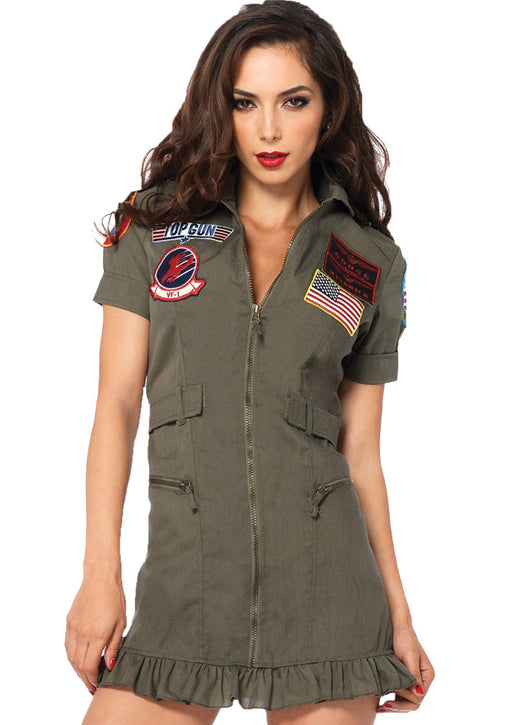
Top Gun Flight Dress | Costume-shop.com
In stock
✈️ Feel the Need for Speed! Elevate your costume game at your next party, Halloween event, or any gathering calling for a bit of high-flying action...
View full details
Original price
$73.95
-
Original price
$73.95
Original price
$73.95
$73.95
-
$73.95
Current price
$73.95
Leave a comment