

The Making of Barbie's Adventure
Barbie has been an iconic figure in the world of fashion dolls for over six decades. She has captivated the hearts and imaginations of millions of children all around the globe. The journey from a simple idea to becoming a worldwide phenomenon is truly fascinating. In this blog, we will delve into the making of Barbie's adventure and how she became the beloved doll she is today.
Inception and Inspiration:
Barbie was created in 1959 by Ruth Handler, co-founder of Mattel, Inc. Ruth was inspired by her daughter, Barbara, who loved playing with paper dolls and imagining different adult roles for them. This sparked the idea of creating a three-dimensional doll that would allow girls to play out their dreams and aspirations.
Ruth realized that there was a gap in the market for a realistic-looking adult doll that could serve as a role model for young girls. At that time, most dolls represented infants or toddlers. She believed that by introducing a fashionable and independent female doll, girls would be encouraged to dream big and challenge gender roles.
Design and Development:
Ruth Handler approached Jack Ryan, an engineer at Mattel, Inc., to design the prototype for Barbie. Drawing inspiration from a German doll called Bild Lilli, which was popular among men as a gag gift, Ryan created an articulated plastic doll with adult proportions. The first-ever Barbie prototype had blonde hair, blue eyes, and wore a black-and-white striped swimsuit.
The development process involved multiple iterations to perfect Barbie's appearance and functionality. Ruth focused on creating a doll with a wide range of outfits and accessories, as well as one that could easily be dressed and undressed. She also wanted Barbie to be able to assume different professions, so girls could play out various career scenarios.
Launch and Initial Reception:
Barbie made her debut at the American International Toy Fair in New York City on March 9, 1959. The response was mixed initially, with some critics expressing concerns about the doll's mature appearance and its potential impact on young girls' body image. However, children instantly fell in love with Barbie and her endless possibilities for imaginative play.
The first-ever Barbie doll quickly became a commercial success. In the first year alone, over 350,000 dolls were sold. Mattel continued to release new versions of Barbie with different hairstyles, skin tones, and outfits to cater to diverse preferences. This constant innovation played a crucial role in maintaining Barbie's popularity throughout the years.
Evolving with Time:
Barbie has evolved tremendously since her introduction in the late '50s. Over the years, she has reflected changing fashion trends, societal values, and cultural diversity. Mattel introduced diverse career options for Barbie such as doctor, astronaut, scientist, CEO – breaking gender stereotypes along the way.
In recent years, Mattel has also focused on making Barbie more inclusive by introducing dolls of different ethnicities and body types. This move aims to reflect real-world diversity and promote inclusivity among children playing with Barbie dolls.
Collaborations and Inspirational Figures:
An essential aspect of keeping Barbie relevant is collaborating with influential figures from various fields. Throughout her journey, Barbie has had tie-ins with renowned designers like Christian Dior, Oscar de la Renta, and Versace. These collaborations have helped Barbie maintain her status as a fashion icon and stay up-to-date with the latest trends.
Moreover, Barbie has also partnered with inspirational women such as Amelia Earhart, Frida Kahlo, and Rosa Parks. These special edition dolls celebrate the achievements of extraordinary women and inspire girls to dream big and believe in themselves.
Barbie's Impact on Pop Culture:
Barbie's influence extends beyond the toy industry. She has made appearances in movies, TV shows, music videos, and even had her own animated series. Barbie has become a pop culture icon representing beauty, fashion, empowerment, and limitless possibilities.
The doll has become a collectible item for enthusiasts worldwide. Many collectors value vintage Barbies as valuable pieces of history. Some rare editions have sold for thousands of dollars at auctions over the years.
Conclusion:
The making of Barbie's adventure is an inspiring tale of innovation, perseverance, and adaptability. From a simple idea to becoming a global phenomenon, Barbie continues to inspire generations of children to dream big and unleash their creativity.
Mattel's commitment to inclusivity and diversity ensures that Barbie remains relevant in today's ever-changing world. As we look towards the future, we can expect Barbie to continue evolving alongside societal changes while maintaining her place as an iconic figure in the world of toys.
Featured collection
Original price
$27.95
-
Original price
$27.95
Original price
$27.95
$27.95
-
$27.95
Current price
$27.95
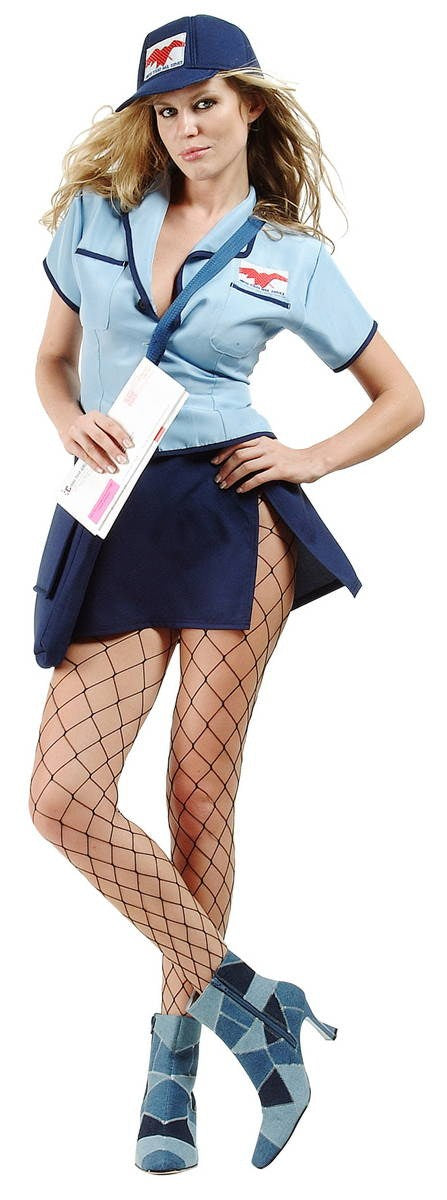
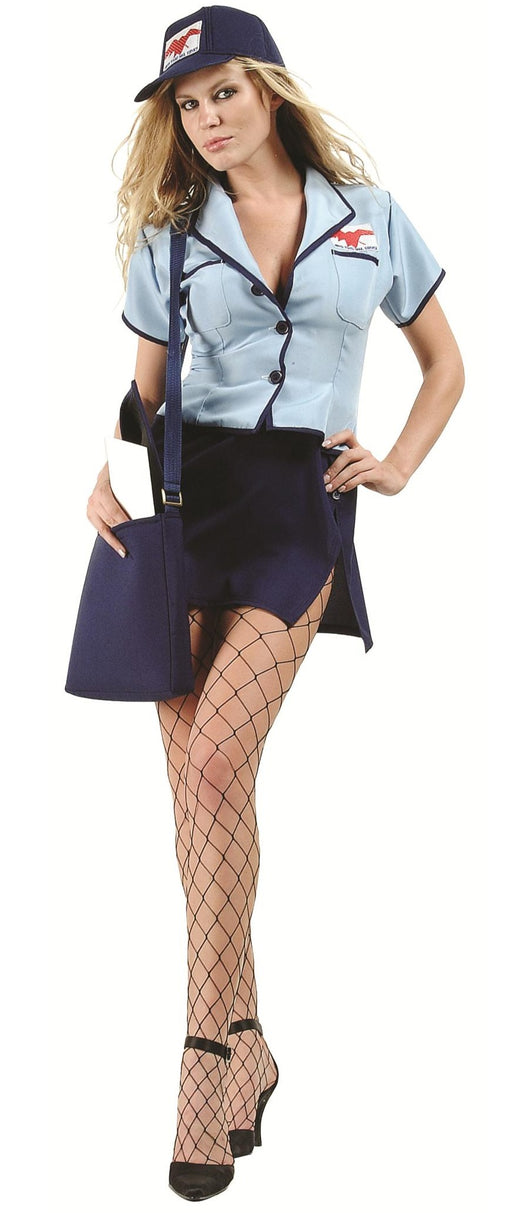
Sexy Post Office Girl | Costume-Shop.com
In stock
Attention all aspiring letter carriers and mail enthusiasts! Prepare to deliver a package of seductive style and naughty charm with our Sexy Post O...
View full details
Original price
$27.95
-
Original price
$27.95
Original price
$27.95
$27.95
-
$27.95
Current price
$27.95


Original price
$110.95
-
Original price
$110.95
Original price
$110.95
$110.95
-
$110.95
Current price
$110.95
Northern Warrior Costume | Costume-Shop.com
Low stock
Upgrade your costume game to legendary status with the Northern Warrior Costume! Designed for rugged adventurers and fearless warriors of the North...
View full details
Original price
$110.95
-
Original price
$110.95
Original price
$110.95
$110.95
-
$110.95
Current price
$110.95
Original price
$66.95
-
Original price
$66.95
Original price
$66.95
$66.95
-
$66.95
Current price
$66.95
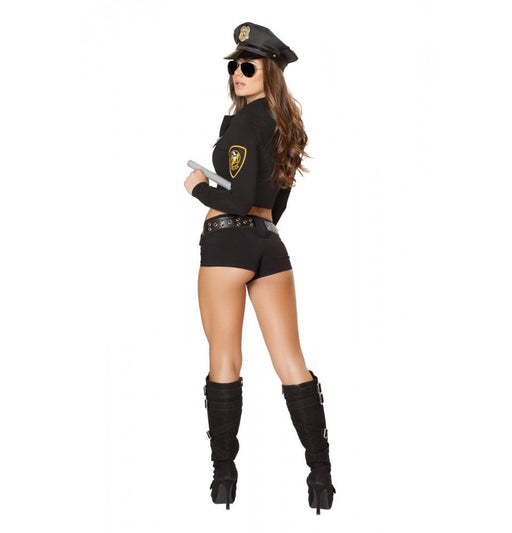
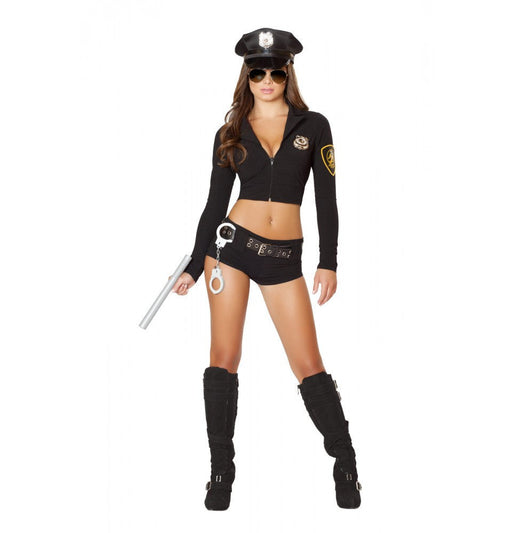
Sexy Police Officer Hottie | Costume-Shop.com
Low stock
🚓 Enforce Fun with a Dash of Flair! Step into the role of authority with the Sexy Police Officer Hottie Costume from www.Costume-shop.com. Designed...
View full details
Original price
$66.95
-
Original price
$66.95
Original price
$66.95
$66.95
-
$66.95
Current price
$66.95


Original price
$97.95
-
Original price
$97.95
Original price
$97.95
$97.95
-
$97.95
Current price
$97.95
Sexy Miss Claus Costume | Costume-Shop.com
Low stock
C170Sexy Miss Claus Costume Includes:Long Robe with Fur Trim Detail, Detachable Belt, & Shorts Material:Stretch Velvet Ships From:Los Angeles S...
View full details
Original price
$97.95
-
Original price
$97.95
Original price
$97.95
$97.95
-
$97.95
Current price
$97.95
Original price
$73.95
-
Original price
$73.95
Original price
$73.95
$73.95
-
$73.95
Current price
$73.95
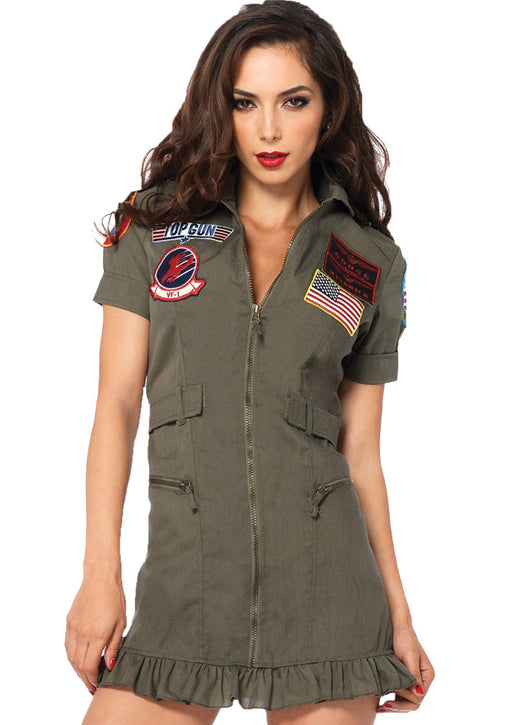
Top Gun Flight Dress | Costume-shop.com
In stock
✈️ Feel the Need for Speed! Elevate your costume game at your next party, Halloween event, or any gathering calling for a bit of high-flying action...
View full details
Original price
$73.95
-
Original price
$73.95
Original price
$73.95
$73.95
-
$73.95
Current price
$73.95
Leave a comment