

The Fascinating History of Halloween Masks
Halloween is a time of spooky festivities, creative costumes, and the thrill of dressing up as someone or something else for a night. One iconic element of Halloween costumes that has stood the test of time is masks. Whether it's a scary monster, a famous celebrity, or a beloved fictional character, Halloween masks add an extra layer of mystery and excitement to the holiday. But have you ever wondered about the history behind these eerie face coverings? Let's dive into the fascinating history of Halloween masks.
Origins in Ancient Celtic Traditions
To understand the roots of Halloween masks, we have to go back thousands of years to the ancient Celtic festival known as Samhain (pronounced SAH-win). Samhain marked the end of harvest season and the beginning of winter in Ireland and other parts of Europe. The Celts believed that on this night, spirits roamed freely among the living.
To protect themselves from these wandering spirits, people would dress up in animal skins and masks to blend in with supernatural beings. By disguising themselves, they hoped to avoid any harm or mischief caused by these ethereal creatures. This tradition eventually merged with Christian holidays like All Saints' Day and All Souls' Day when November 1st was declared as All Hallows' Day.
Introduction of Guising
In medieval times, another tradition known as "guising" emerged across Scotland and Ireland. During guising, young people would dress up in costumes made from old clothes and wear masks made from turnips or hollowed-out potatoes. They would then go door to door, performing songs, reciting verses, or telling stories in exchange for food or coins.
While the masks were not as detailed or intricate as modern Halloween masks, they played a crucial role in disguising the identity of the performers. The practice of guising gradually made its way to North America through Irish and Scottish immigrants.
Commercialization and Popularity
In the early 20th century, Halloween slowly transformed from a community-centered holiday into a more commercialized event. As Halloween parties gained popularity, people started looking for more elaborate costumes and accessories. This shift in consumer demand led to the mass production of Halloween masks by companies such as Ben Cooper Inc., Don Post Studios, and Collegeville Costumes.
The first commercially produced Halloween masks were made from molded paper-mache, which allowed for greater detail and realism. These masks typically depicted classic monsters like Frankenstein's monster, Dracula, witches, and ghosts. Over time, latex rubber became the preferred material due to its flexibility and durability.
The Influence of Pop Culture
The history of Halloween masks cannot be discussed without acknowledging their strong connection to popular culture. From iconic movie characters to famous politicians, Halloween masks have often mirrored contemporary trends and interests.
One notable example is William Shatner's face being used in the creation of the famous Michael Myers mask from the "Halloween" movie franchise. The filmmakers repurposed a Captain Kirk mask from "Star Trek" and modified it to create one of the most recognizable horror masks of all time.
Furthermore, political figures have also been popular choices for Halloween masks over the years. During election seasons or times of cultural relevance, you can expect to see masks resembling presidents, politicians, or other influential figures making an appearance at parties and events.
Evolution of Halloween Masks
In recent years, Halloween masks have become more sophisticated and diverse than ever before. With advancements in materials and technology, mask designers can now create incredibly realistic and highly detailed masks.
Special effects artists, inspired by the film industry, have taken the art of mask-making to new heights. They use techniques such as 3D scanning, sculpting, silicone casting, and airbrushing to produce masks that closely resemble the appearance of famous characters or terrifying creatures.
The Thrill of Wearing a Mask on Halloween
So why do people enjoy wearing masks on Halloween? The answer lies in the freedom it provides. By donning a mask, individuals can temporarily escape their own identity and transform into someone else. It allows them to embrace their alter ego or explore a different side of their personality without judgment.
Masks also offer a sense of anonymity that can be liberating for some people. When you're wearing a mask, you may feel more confident and less self-conscious about your appearance or behavior. This allows for uninhibited fun and creativity during Halloween celebrations.
In Conclusion
Halloween masks have come a long way from their humble origins in ancient Celtic traditions. Evolving alongside changing cultural practices and technological advancements, they have become synonymous with the spooky spirit of Halloween. Whether you prefer classic monsters or the latest pop culture icons, there is no denying the allure and excitement that comes with putting on a Halloween mask.
Featured collection
Original price
$27.95
-
Original price
$27.95
Original price
$27.95
$27.95
-
$27.95
Current price
$27.95
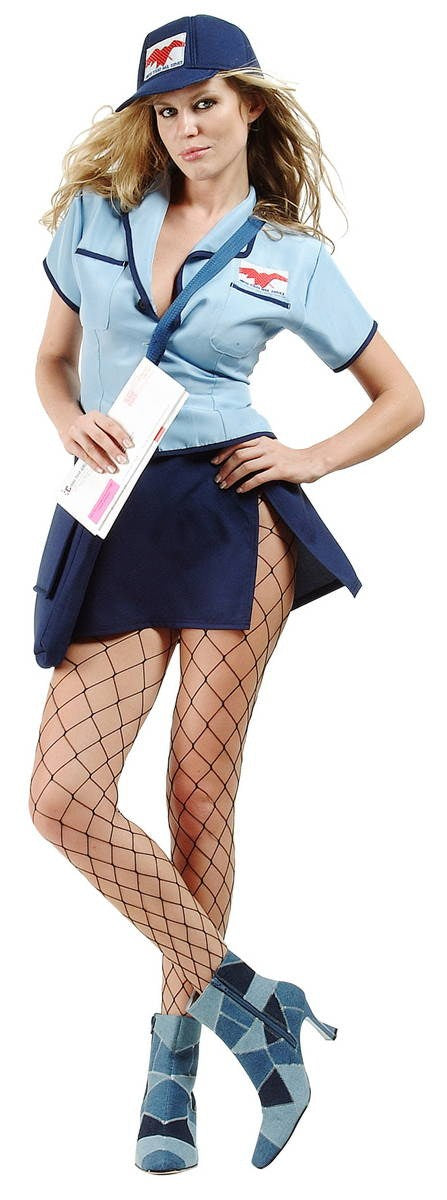
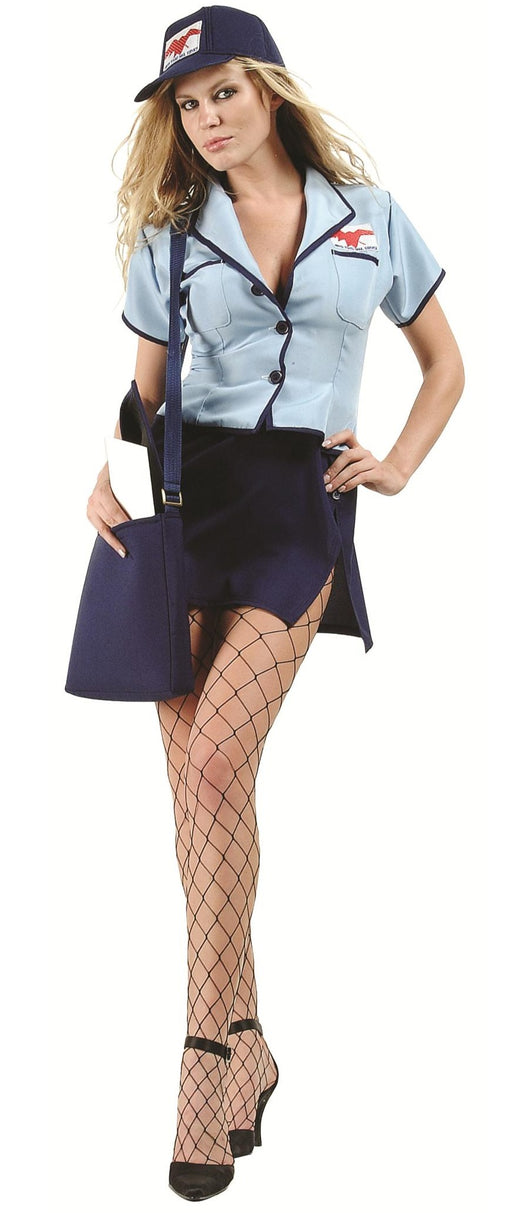
Sexy Post Office Girl | Costume-Shop.com
In stock
Attention all aspiring letter carriers and mail enthusiasts! Prepare to deliver a package of seductive style and naughty charm with our Sexy Post O...
View full details
Original price
$27.95
-
Original price
$27.95
Original price
$27.95
$27.95
-
$27.95
Current price
$27.95


Original price
$110.95
-
Original price
$110.95
Original price
$110.95
$110.95
-
$110.95
Current price
$110.95
Northern Warrior Costume | Costume-Shop.com
Low stock
Upgrade your costume game to legendary status with the Northern Warrior Costume! Designed for rugged adventurers and fearless warriors of the North...
View full details
Original price
$110.95
-
Original price
$110.95
Original price
$110.95
$110.95
-
$110.95
Current price
$110.95
Original price
$66.95
-
Original price
$66.95
Original price
$66.95
$66.95
-
$66.95
Current price
$66.95
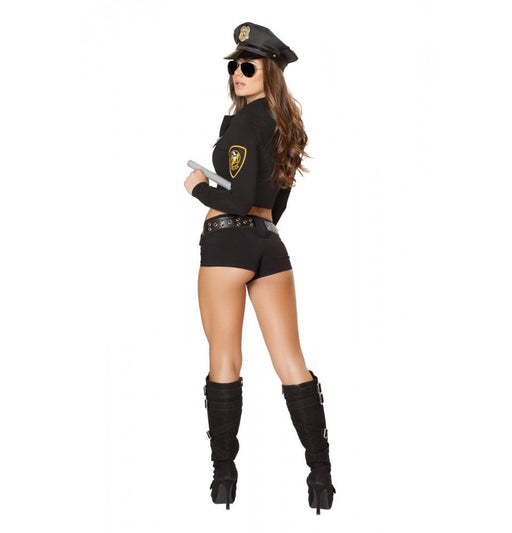
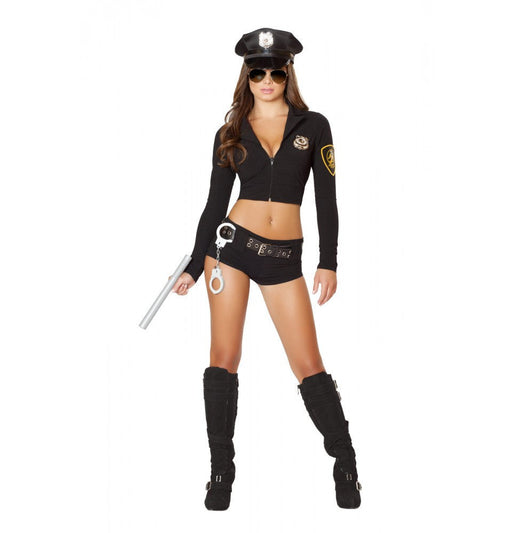
Sexy Police Officer Hottie | Costume-Shop.com
Low stock
🚓 Enforce Fun with a Dash of Flair! Step into the role of authority with the Sexy Police Officer Hottie Costume from www.Costume-shop.com. Designed...
View full details
Original price
$66.95
-
Original price
$66.95
Original price
$66.95
$66.95
-
$66.95
Current price
$66.95


Original price
$97.95
-
Original price
$97.95
Original price
$97.95
$97.95
-
$97.95
Current price
$97.95
Sexy Miss Claus Costume | Costume-Shop.com
Low stock
C170Sexy Miss Claus Costume Includes:Long Robe with Fur Trim Detail, Detachable Belt, & Shorts Material:Stretch Velvet Ships From:Los Angeles S...
View full details
Original price
$97.95
-
Original price
$97.95
Original price
$97.95
$97.95
-
$97.95
Current price
$97.95
Original price
$73.95
-
Original price
$73.95
Original price
$73.95
$73.95
-
$73.95
Current price
$73.95
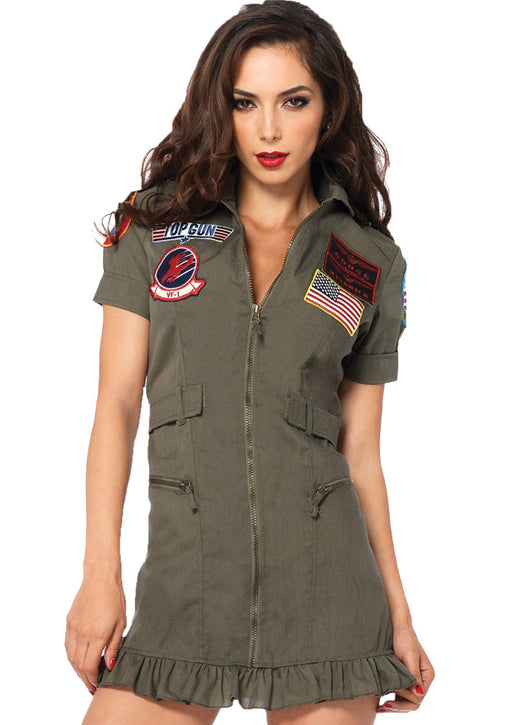
Top Gun Flight Dress | Costume-shop.com
In stock
✈️ Feel the Need for Speed! Elevate your costume game at your next party, Halloween event, or any gathering calling for a bit of high-flying action...
View full details
Original price
$73.95
-
Original price
$73.95
Original price
$73.95
$73.95
-
$73.95
Current price
$73.95
Leave a comment