

The Beauty of Traditional Clothing Costumes
The Beauty of Traditional Clothing Costumes
Traditional clothing costumes are more than just pieces of fabric worn by people from different cultures. They represent the rich history, diverse heritage, and unique traditions that have been passed down from generation to generation. These costumes tell stories of the past and celebrate the cultural identity of a particular community or country.
The Importance of Traditional Clothing Costumes
Traditional clothing costumes play a crucial role in preserving cultural heritage. They are a tangible representation of a community's values, beliefs, and social practices. By wearing these costumes, individuals connect with their roots and maintain a sense of belonging to their cultural identity.
Furthermore, traditional clothing costumes serve as a symbol of unity and pride. They bring people together during special occasions and celebrations, fostering a sense of community and solidarity among its wearers. In addition, these costumes often feature intricate designs and exquisite craftsmanship, showcasing the artistic skills and creativity inherent in each culture.
Variety in Traditional Clothing Costumes
One fascinating aspect of traditional clothing costumes is the incredible diversity they exhibit across different cultures around the world. Each costume has its own unique style, colors, patterns, and materials that reflect the specific customs and traditions of its respective culture.
For example, in India, you will find an array of traditional clothing costumes such as sarees for women and dhotis or kurta-pajama for men. These garments come in various fabrics like silk, cotton, or chiffon adorned with intricate embroidery or handwoven designs.

In Japan, the traditional clothing costume known as a kimono is iconic. It typically consists of a long robe with wide sleeves, tied with an obi belt. Kimonos are often made from silk and feature elaborate patterns inspired by nature or cultural symbols.

In Africa, traditional clothing costumes vary widely across different regions and tribes. For example, the Maasai tribe in East Africa is known for their vibrant shuka fabric worn as a wraparound garment. The patterns and colors of the shuka represent their cultural identity and distinguish them from other tribes.

The Influence of Traditional Clothing Costumes on Fashion
Traditional clothing costumes have also had a significant impact on the world of fashion. Designers often draw inspiration from these costumes to create modern interpretations that embrace cultural diversity and celebrate heritage.
For instance, renowned fashion designer Christian Dior was fascinated by the traditional clothing costumes of various cultures around the world. His iconic "New Look" collection in 1947 drew inspiration from the corsets and full skirts seen in historic European dress.

Similarly, African prints have gained popularity in recent years, making their way into mainstream fashion runways globally. High-end designers like Stella McCartney and Burberry have incorporated African-inspired prints and motifs into their collections, giving traditional clothing costumes a modern twist.

Preserving Traditional Clothing Costumes
As the world becomes more interconnected, it is crucial to preserve and respect the cultural significance of traditional clothing costumes. Here are a few ways we can ensure their preservation:
- Education and Awareness: Promote educational programs that teach about the importance of traditional clothing costumes in schools and communities.
- Sustainable Practices: Encourage the use of sustainable materials and production techniques to create these costumes, ensuring their longevity.
- Cultural Exchange: Embrace cultural exchange programs that allow people from different backgrounds to learn about and appreciate each other's traditional clothing costumes.
- Social Media: Utilize social media platforms to raise awareness about traditional clothing costumes, sharing stories, images, and cultural insights with a global audience.
- Tourism: Encourage responsible tourism that promotes respectful engagement with local cultures, including supporting local artisans who create traditional clothing costumes.
In Conclusion
The beauty of traditional clothing costumes lies not only in their visual appeal but also in the stories they tell and the heritage they preserve. These costumes serve as a powerful reminder of the rich diversity found across cultures worldwide. By embracing and respecting traditional clothing costumes, we can celebrate our shared humanity while honoring our unique identities.
Featured collection
Original price
$27.95
-
Original price
$27.95
Original price
$27.95
$27.95
-
$27.95
Current price
$27.95
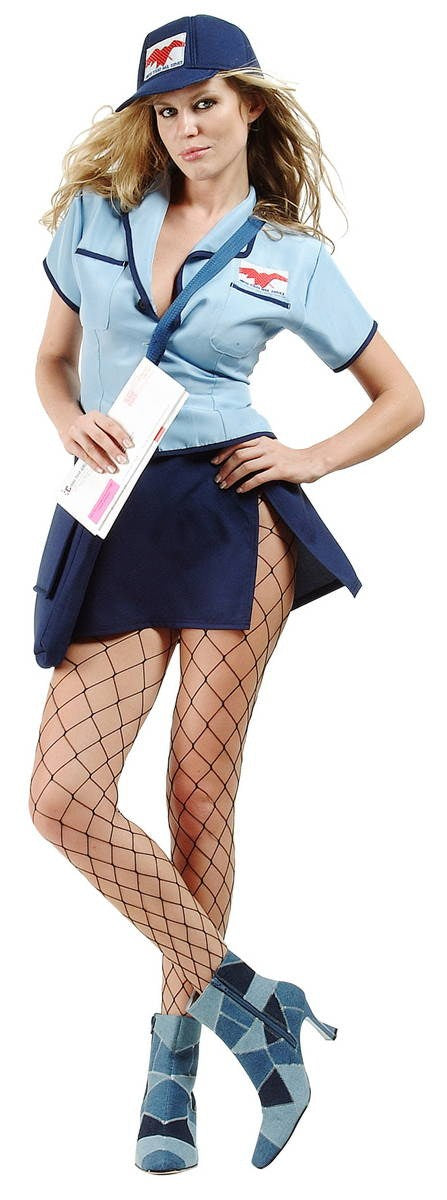
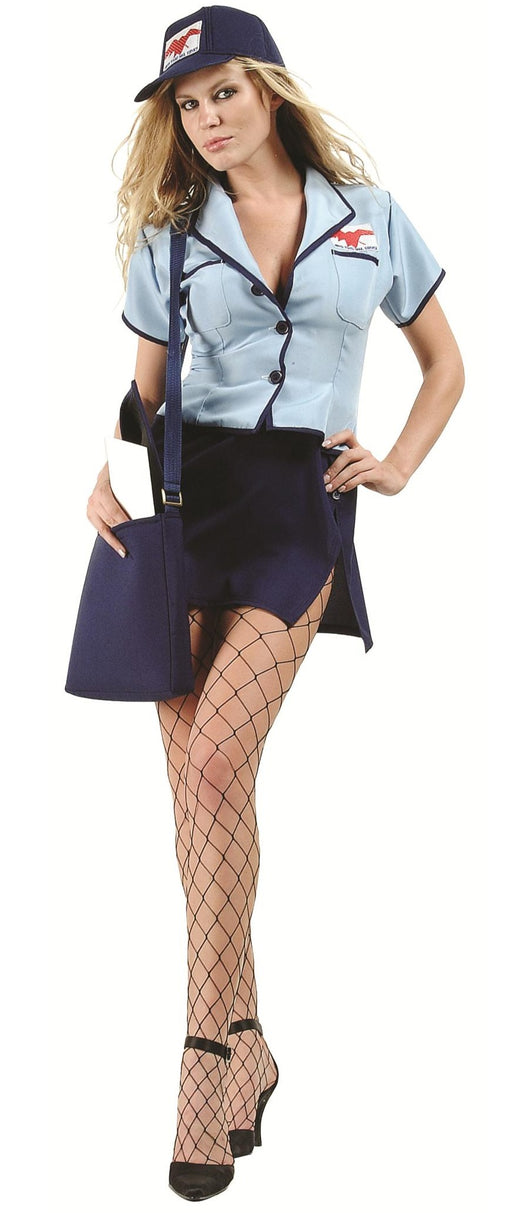
Sexy Post Office Girl | Costume-Shop.com
In stock
Attention all aspiring letter carriers and mail enthusiasts! Prepare to deliver a package of seductive style and naughty charm with our Sexy Post O...
View full details
Original price
$27.95
-
Original price
$27.95
Original price
$27.95
$27.95
-
$27.95
Current price
$27.95


Original price
$110.95
-
Original price
$110.95
Original price
$110.95
$110.95
-
$110.95
Current price
$110.95
Northern Warrior Costume | Costume-Shop.com
Low stock
Upgrade your costume game to legendary status with the Northern Warrior Costume! Designed for rugged adventurers and fearless warriors of the North...
View full details
Original price
$110.95
-
Original price
$110.95
Original price
$110.95
$110.95
-
$110.95
Current price
$110.95
Original price
$66.95
-
Original price
$66.95
Original price
$66.95
$66.95
-
$66.95
Current price
$66.95
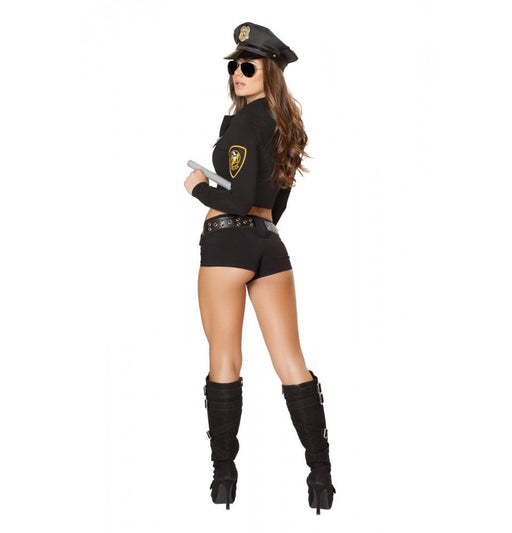
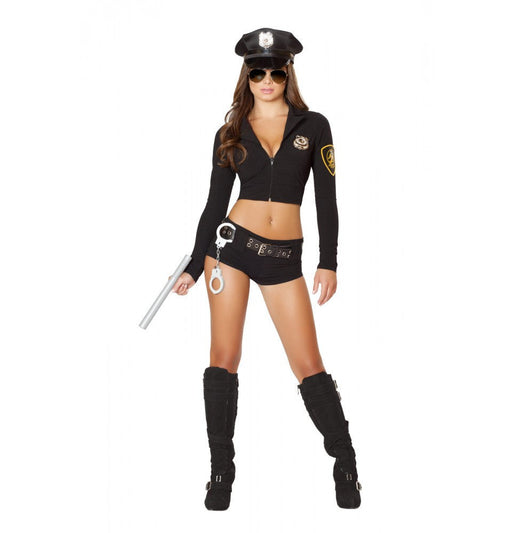
Sexy Police Officer Hottie | Costume-Shop.com
Low stock
🚓 Enforce Fun with a Dash of Flair! Step into the role of authority with the Sexy Police Officer Hottie Costume from www.Costume-shop.com. Designed...
View full details
Original price
$66.95
-
Original price
$66.95
Original price
$66.95
$66.95
-
$66.95
Current price
$66.95


Original price
$97.95
-
Original price
$97.95
Original price
$97.95
$97.95
-
$97.95
Current price
$97.95
Sexy Miss Claus Costume | Costume-Shop.com
Low stock
C170Sexy Miss Claus Costume Includes:Long Robe with Fur Trim Detail, Detachable Belt, & Shorts Material:Stretch Velvet Ships From:Los Angeles S...
View full details
Original price
$97.95
-
Original price
$97.95
Original price
$97.95
$97.95
-
$97.95
Current price
$97.95
Original price
$73.95
-
Original price
$73.95
Original price
$73.95
$73.95
-
$73.95
Current price
$73.95
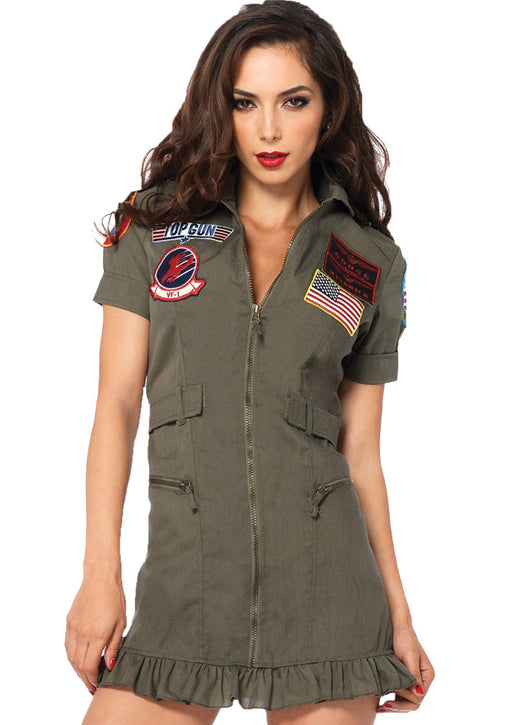
Top Gun Flight Dress | Costume-shop.com
In stock
✈️ Feel the Need for Speed! Elevate your costume game at your next party, Halloween event, or any gathering calling for a bit of high-flying action...
View full details
Original price
$73.95
-
Original price
$73.95
Original price
$73.95
$73.95
-
$73.95
Current price
$73.95
Leave a comment