

Spider-Verse: Disrupting Superhero Film Norms

The superhero genre has been a staple of the film industry for decades, with larger-than-life characters captivating audiences around the world. From Superman to Batman and Iron Man to Captain America, superheroes have become cultural icons that inspire and entertain. However, in recent years, there has been a growing desire for something new and different within the genre.
This desire for innovation and fresh storytelling is where "Spider-Verse" comes into play. Released in 2018, "Spider-Man: Into the Spider-Verse" took the superhero film world by storm, disrupting traditional norms and setting a new standard for what a superhero movie could be.
A Multiverse of Spider-Men
One of the most significant ways "Spider-Verse" disrupted superhero film norms was through its introduction of the multiverse concept. Instead of focusing on a single Spider-Man, the film brought together multiple versions of the web-slinging hero from different dimensions. This bold move allowed for an exploration of different character dynamics, unique art styles, and varied storytelling approaches.
The inclusion of characters like Miles Morales, Gwen Stacy, and even Peter Porker (a pig version of Spider-Man) added depth and diversity to the Spider-Verse. Each character had their own motivations, struggles, and abilities, creating a rich tapestry of heroes that audiences could connect with in different ways.
Innovative Animation Style
Another aspect that set "Spider-Verse" apart was its groundbreaking animation style. The film embraced a mix of traditional hand-drawn animation techniques with modern computer-generated imagery to create a visual experience unlike anything seen before in superhero movies.
The use of vibrant colors, dynamic camera angles, and comic book-inspired graphics made every frame feel like a living comic book page. It was a true celebration of the medium that breathed new life into familiar characters and settings. The attention to detail was astonishing, with unique visual styles for each Spider-Man iteration reflecting their respective universes.

Emotional Depth and Themes
"Spider-Verse" also stood out for its emotional depth and exploration of meaningful themes. While superhero films often focus on action-packed sequences and larger-than-life conflicts, this movie delved into more personal stories about identity, loss, and finding one's place in the world.
Miles Morales' journey from an unsure teenager to a confident hero was relatable and inspiring. The film beautifully depicted his struggle to balance his responsibilities as Spider-Man with his desire for a normal life. This exploration of the human side of superheroes added a layer of complexity that resonated with audiences of all ages.
Inclusive Representation
One of the most significant ways "Spider-Verse" disrupted superhero norms was through its commitment to inclusive representation. The film featured a diverse cast of characters, both in terms of ethnicity and gender.
Miles Morales, an Afro-Latino teenager, became the first non-white Spider-Man to headline a major motion picture. His journey highlighted the power of representation and the importance of seeing oneself reflected on the big screen.
Additionally, Gwen Stacy's portrayal as Spider-Gwen offered strong female representation in a genre often dominated by male characters. Her presence served as a reminder that anyone can be a hero regardless of gender or background.

Award-Winning Success
The impact and disruption caused by "Spider-Verse" did not go unnoticed in the film industry. The movie received critical acclaim and won numerous awards, including an Academy Award for Best Animated Feature. Its success further solidified its place as a game-changer within the superhero genre.
"Spider-Verse" proved that superhero films can be innovative, emotionally resonant, and artistically groundbreaking all at once. It challenged the notion that these movies are solely meant for escapism and demonstrated their potential for deep storytelling and social commentary.
Conclusion
"Spider-Man: Into the Spider-Verse" disrupted superhero film norms in numerous ways, from its multiverse concept to its innovative animation style and inclusive representation. By pushing boundaries and reimagining what a superhero movie could be, it set a new standard for the genre.
This groundbreaking film opened the door for future superhero movies to explore new storytelling techniques, diverse perspectives, and deeper emotional connections. "Spider-Verse" proved that there is no one-size-fits-all approach to superhero films and paved the way for a more inclusive and creative future within the genre.
Featured collection
Original price
$27.95
-
Original price
$27.95
Original price
$27.95
$27.95
-
$27.95
Current price
$27.95
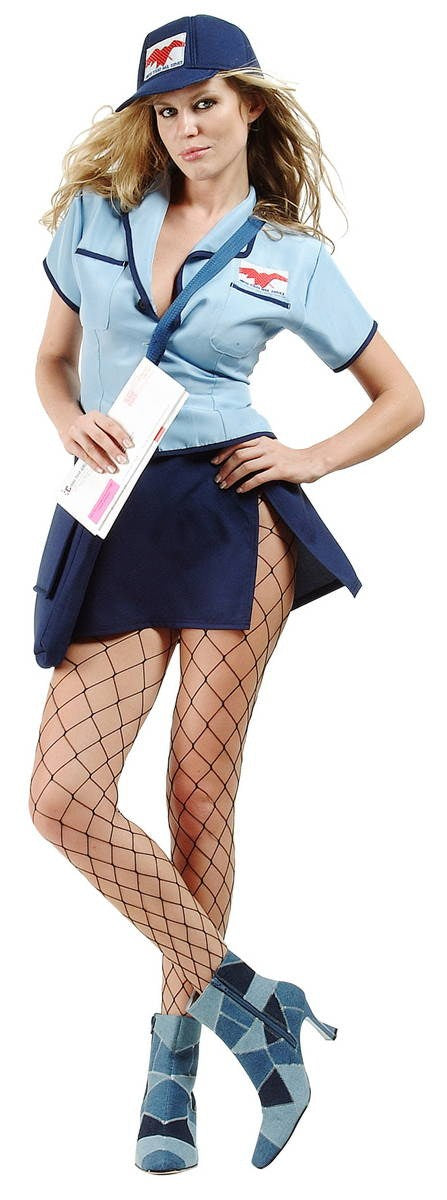
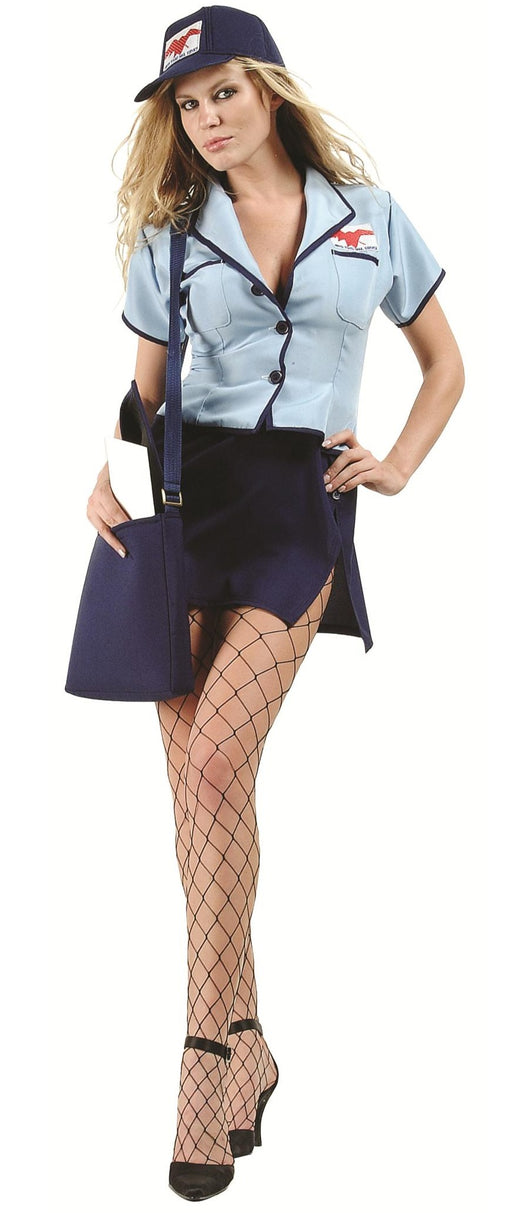
Sexy Post Office Girl | Costume-Shop.com
In stock
Attention all aspiring letter carriers and mail enthusiasts! Prepare to deliver a package of seductive style and naughty charm with our Sexy Post O...
View full details
Original price
$27.95
-
Original price
$27.95
Original price
$27.95
$27.95
-
$27.95
Current price
$27.95


Original price
$110.95
-
Original price
$110.95
Original price
$110.95
$110.95
-
$110.95
Current price
$110.95
Northern Warrior Costume | Costume-Shop.com
Low stock
Upgrade your costume game to legendary status with the Northern Warrior Costume! Designed for rugged adventurers and fearless warriors of the North...
View full details
Original price
$110.95
-
Original price
$110.95
Original price
$110.95
$110.95
-
$110.95
Current price
$110.95
Original price
$66.95
-
Original price
$66.95
Original price
$66.95
$66.95
-
$66.95
Current price
$66.95
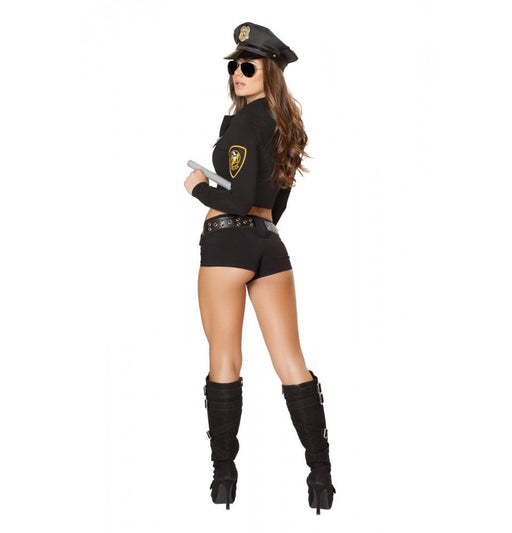
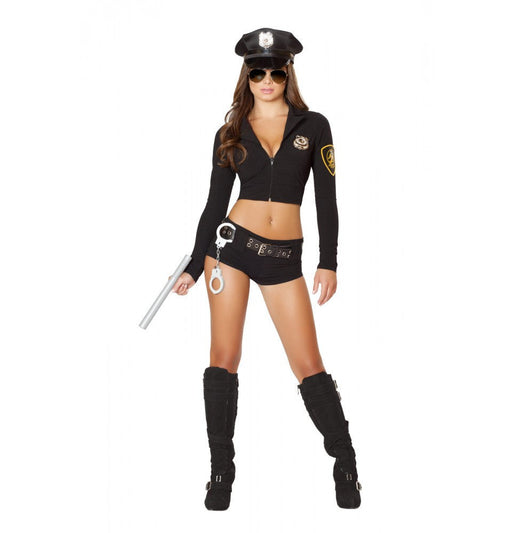
Sexy Police Officer Hottie | Costume-Shop.com
Low stock
🚓 Enforce Fun with a Dash of Flair! Step into the role of authority with the Sexy Police Officer Hottie Costume from www.Costume-shop.com. Designed...
View full details
Original price
$66.95
-
Original price
$66.95
Original price
$66.95
$66.95
-
$66.95
Current price
$66.95


Original price
$97.95
-
Original price
$97.95
Original price
$97.95
$97.95
-
$97.95
Current price
$97.95
Sexy Miss Claus Costume | Costume-Shop.com
Low stock
C170Sexy Miss Claus Costume Includes:Long Robe with Fur Trim Detail, Detachable Belt, & Shorts Material:Stretch Velvet Ships From:Los Angeles S...
View full details
Original price
$97.95
-
Original price
$97.95
Original price
$97.95
$97.95
-
$97.95
Current price
$97.95

Original price
$73.95
-
Original price
$73.95
Original price
$73.95
$73.95
-
$73.95
Current price
$73.95
Top Gun Flight Dress | Costume-shop.com
In stock
✈️ Feel the Need for Speed! Elevate your costume game at your next party, Halloween event, or any gathering calling for a bit of high-flying action...
View full details
Original price
$73.95
-
Original price
$73.95
Original price
$73.95
$73.95
-
$73.95
Current price
$73.95
Leave a comment