

Potential Allergies to Fake Blood: A Comprehensive Guide
Halloween is just around the corner, and many people are getting ready to create the perfect spooky costumes. One popular accessory that adds a realistic touch to any costume is fake blood. Whether you're dressing up as a vampire, zombie, or just want to add some gore to your outfit, fake blood can make all the difference.
However, before you start splattering yourself with fake blood, it's essential to be aware of potential allergies that may arise. While fake blood is generally safe for most people, some individuals may experience allergic reactions due to certain ingredients present in these products.
What Is Fake Blood?
Fake blood is a synthetic substance designed to mimic real blood. It's commonly used in theatrical productions, Halloween costumes, and special effects makeup. It comes in various forms such as liquid, gel, powder, or capsules and is available in different colors like red, black, or even green.
Allergic Reactions to Fake Blood
Although rare, some individuals may develop allergies or sensitivities to the ingredients found in fake blood. The most common allergens found in these products include:
- Liquid Latex: Liquid latex is often used as an ingredient in fake blood because of its ability to create realistic textures and effects. However, latex allergies are relatively common and can cause skin rashes, itching, redness, and even difficulty breathing.
- Glycerin: Glycerin is another common ingredient in fake blood products. While it's generally safe, some individuals may be allergic to glycerin, leading to skin irritation or hives.
- Colorants: Fake blood gets its vibrant red color from artificial dyes and pigments. These colorants can sometimes cause skin irritation or allergic reactions in sensitive individuals.
- Fragrances: Some fake blood products contain fragrances to mask any unpleasant odors from other ingredients. Fragrances are a common allergen and may cause skin irritation or allergic reactions.
How to Identify Allergic Reactions
If you've never used fake blood before and are unsure whether you might be allergic to it, it's important to know how to identify potential allergic reactions. Common symptoms of allergies to fake blood include:
- Skin redness or rash
- Itching or hives
- Inflammation or swelling
- Burning or stinging sensation
- Tightness in the chest
- Difficulty breathing
If you experience any of these symptoms after applying fake blood, remove the product immediately and wash the affected area with mild soap and water. If your symptoms worsen or persist, seek medical attention as soon as possible.
Tips for Avoiding Allergic Reactions
If you're concerned about potential allergies to fake blood but still want to incorporate it into your Halloween costume, there are several steps you can take to minimize the risk of a reaction:
- Patch Test: Before applying fake blood to your whole face or body, perform a patch test on a small area of skin. Apply a small amount of the product and wait for 24 hours to see if any reaction occurs.
- Read Labels: Carefully read the ingredient list of any fake blood product you plan to use. Look out for known allergens such as latex, glycerin, or specific artificial dyes.
- Choose Hypoallergenic Formulas: Some brands offer hypoallergenic versions of fake blood that are specifically formulated to minimize the risk of allergic reactions. These products may be more suitable for individuals with sensitive skin.
- Consult a Dermatologist: If you have a history of skin allergies or sensitivities, it's always a good idea to consult with a dermatologist before using any new cosmetic or special effects product.
Alternative Options
If you've discovered that you're allergic to fake blood or want to avoid potential risks altogether, there are alternative options available that can still help you achieve a spooky look for Halloween:
- Fabric Blood: Instead of using liquid or gel-based fake blood directly on your skin, consider using fabric blood. Fabric blood is typically stainable and can be applied to clothing or props without direct contact with your skin.
- Fake Blood Substitutes: There are numerous faux-blood products on the market that do not contain common allergens like latex or artificial colorants. These substitutes come in various forms and colors and provide similar effects without the risk of allergic reactions.
- Skin-Safe Makeup: If you want to create a bloody effect on your skin, consider using skin-safe makeup products instead. These are specifically formulated for use on the face and body and are less likely to cause allergic reactions.
Conclusion
Fake blood can be an exciting addition to any Halloween costume or special effects makeup look. However, it's crucial to be aware of potential allergies that may arise from certain ingredients found in fake blood products. By taking precautions such as performing patch tests, reading labels, and choosing hypoallergenic options, you can minimize the risk of allergic reactions and enjoy a safe and spooky Halloween!
Featured collection
Original price
$27.95
-
Original price
$27.95
Original price
$27.95
$27.95
-
$27.95
Current price
$27.95
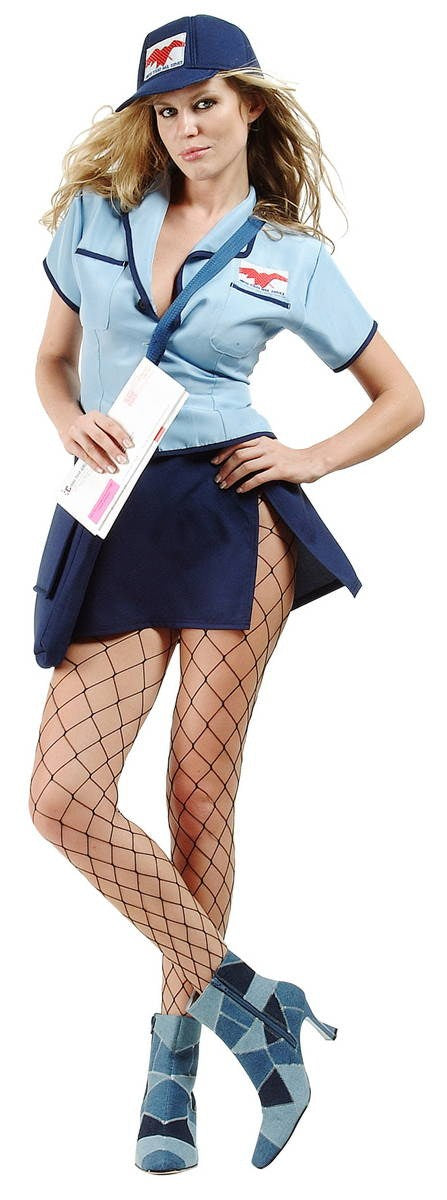
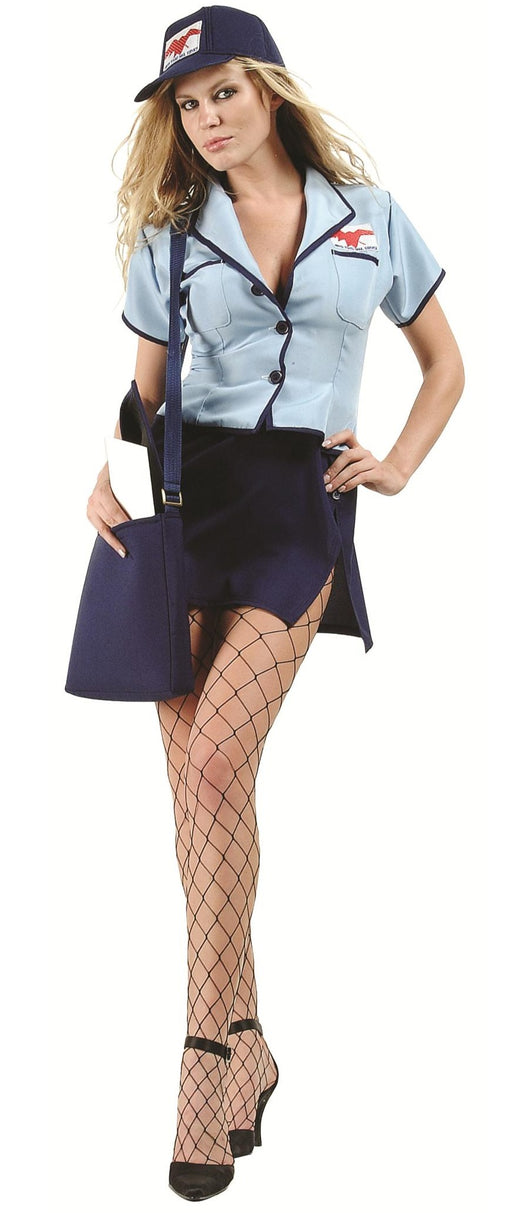
Sexy Post Office Girl | Costume-Shop.com
In stock
Attention all aspiring letter carriers and mail enthusiasts! Prepare to deliver a package of seductive style and naughty charm with our Sexy Post O...
View full details
Original price
$27.95
-
Original price
$27.95
Original price
$27.95
$27.95
-
$27.95
Current price
$27.95


Original price
$110.95
-
Original price
$110.95
Original price
$110.95
$110.95
-
$110.95
Current price
$110.95
Northern Warrior Costume | Costume-Shop.com
Low stock
Upgrade your costume game to legendary status with the Northern Warrior Costume! Designed for rugged adventurers and fearless warriors of the North...
View full details
Original price
$110.95
-
Original price
$110.95
Original price
$110.95
$110.95
-
$110.95
Current price
$110.95
Original price
$66.95
-
Original price
$66.95
Original price
$66.95
$66.95
-
$66.95
Current price
$66.95
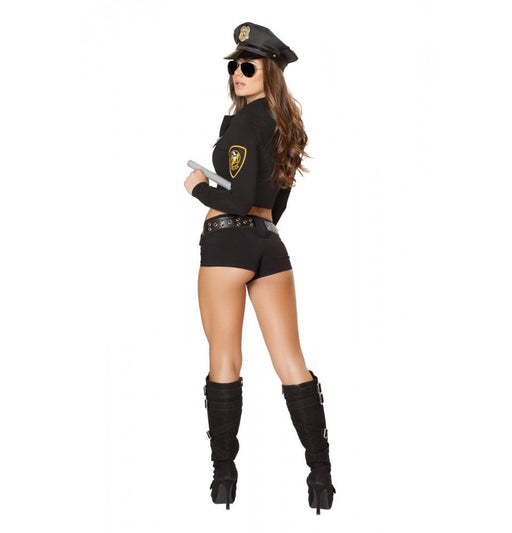
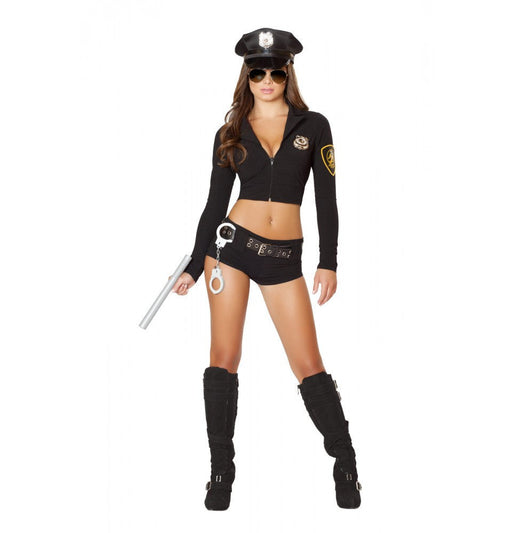
Sexy Police Officer Hottie | Costume-Shop.com
Low stock
🚓 Enforce Fun with a Dash of Flair! Step into the role of authority with the Sexy Police Officer Hottie Costume from www.Costume-shop.com. Designed...
View full details
Original price
$66.95
-
Original price
$66.95
Original price
$66.95
$66.95
-
$66.95
Current price
$66.95


Original price
$97.95
-
Original price
$97.95
Original price
$97.95
$97.95
-
$97.95
Current price
$97.95
Sexy Miss Claus Costume | Costume-Shop.com
Low stock
C170Sexy Miss Claus Costume Includes:Long Robe with Fur Trim Detail, Detachable Belt, & Shorts Material:Stretch Velvet Ships From:Los Angeles S...
View full details
Original price
$97.95
-
Original price
$97.95
Original price
$97.95
$97.95
-
$97.95
Current price
$97.95
Original price
$73.95
-
Original price
$73.95
Original price
$73.95
$73.95
-
$73.95
Current price
$73.95
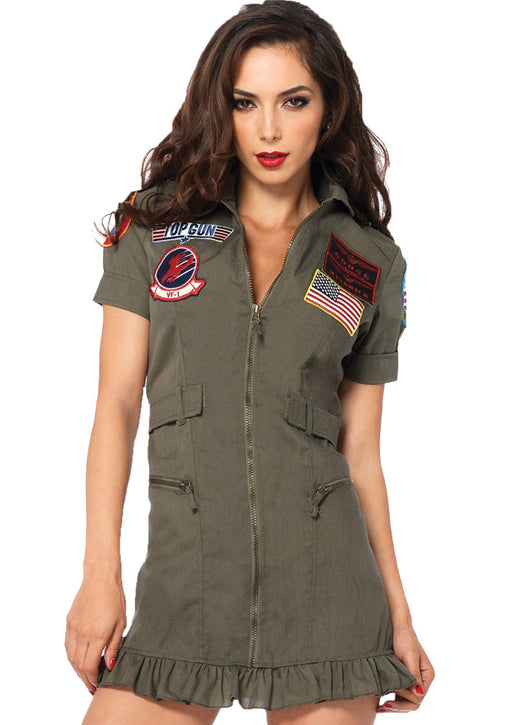
Top Gun Flight Dress | Costume-shop.com
In stock
✈️ Feel the Need for Speed! Elevate your costume game at your next party, Halloween event, or any gathering calling for a bit of high-flying action...
View full details
Original price
$73.95
-
Original price
$73.95
Original price
$73.95
$73.95
-
$73.95
Current price
$73.95
Leave a comment