

Nighttime Visibility Safety Tips
When it comes to staying safe while out at night, visibility is of utmost importance. Whether you're walking, cycling, or driving, being seen by others on the road is crucial for preventing accidents and ensuring your well-being.
Why is nighttime visibility important?
At night, our eyes have a harder time adjusting to low light conditions. This means that objects and people may not be as visible as they would be during the day. Additionally, many drivers experience decreased reaction times and impaired vision in the dark.
Therefore, taking steps to enhance your nighttime visibility can significantly reduce the risk of accidents and improve overall safety. Here are some essential tips to help you stay visible during nighttime activities:
Wear bright and reflective clothing
Dressing in bright colors like neon yellow, orange, or green can make a significant difference in how easily others can spot you in the dark. These colors stand out against dim surroundings and catch the attention of drivers or pedestrians.
In addition to bright clothing, wearing reflective gear is also highly recommended. Reflective strips or patches on your clothing or accessories will reflect light back towards its source (e.g., car headlights), making you more visible from a distance.
Use reflective accessories
Incorporating reflective accessories into your nighttime routine can further enhance your visibility. Consider wearing a reflective vest or using reflective arm bands or ankle bands when walking or cycling. These accessories provide an extra layer of visibility and ensure that others can see you from various angles.
Carry a flashlight or headlamp
A flashlight or headlamp is an essential tool for increasing your visibility at night. Not only can it help you see better, but it also allows others to see you more easily. Use a flashlight when walking or cycling, and make sure to point it towards the ground to prevent blinding drivers or pedestrians.
Choose well-lit routes
When possible, opt for well-lit routes with streetlights or areas that have adequate lighting. Sticking to well-lit paths reduces the chances of accidentally stepping into danger zones or encountering obstacles that might otherwise be difficult to see in the dark.
Be cautious around intersections
Intersections can be particularly hazardous at night due to decreased visibility and potential distractions. Always exercise extra caution when crossing the road or approaching intersections after dark. Look both ways multiple times and wait for clear signals before proceeding.
Avoid wearing all-black clothing
While black may be a stylish choice, it's not the safest color for nighttime visibility. Dark-colored clothing blends into the night, making it harder for others to see you. If you must wear black, consider adding reflective accessories to compensate for reduced visibility.
Stay focused and alert
Maintaining focus and alertness while out at night is crucial for staying safe. Reduced visibility means that you need to pay extra attention to your surroundings and potential hazards. Avoid distractions such as using your phone or listening to loud music that could impair your ability to hear approaching vehicles or other potential dangers.
Maintain your vehicle's lights
If you're driving at night, ensuring that your vehicle's lights are in good working condition is essential for your safety and the safety of others on the road. Regularly check and clean all lights, including headlights, taillights, brake lights, and turn signals. Replace any bulbs that are burnt out or dim.
Avoid staring at oncoming headlights
When driving at night, it's common to encounter oncoming vehicles with bright headlights. Avoid staring directly at these lights as they can temporarily impair your vision. Instead, focus on the right side of the road and use your peripheral vision to maintain awareness of other vehicles.
Be aware of your surroundings
No matter what activity you're engaged in at night, always be aware of your surroundings. Take note of potential hazards such as uneven pavement, potholes, obstacles, or suspicious individuals. Being alert and proactive can help you avoid accidents or potentially dangerous situations.
In conclusion
By following these nighttime visibility safety tips, you can greatly reduce the risk of accidents and ensure your well-being when out after dark. Remember to prioritize being seen by others through brightly colored clothing, reflective gear, and using flashlights or headlamps when necessary.
Additionally, staying focused and alert while maintaining awareness of your surroundings will further enhance your safety during nighttime activities. Whether you're walking, cycling, or driving, taking steps to improve visibility is crucial for a safer nighttime experience.
Featured collection
Original price
$27.95
-
Original price
$27.95
Original price
$27.95
$27.95
-
$27.95
Current price
$27.95
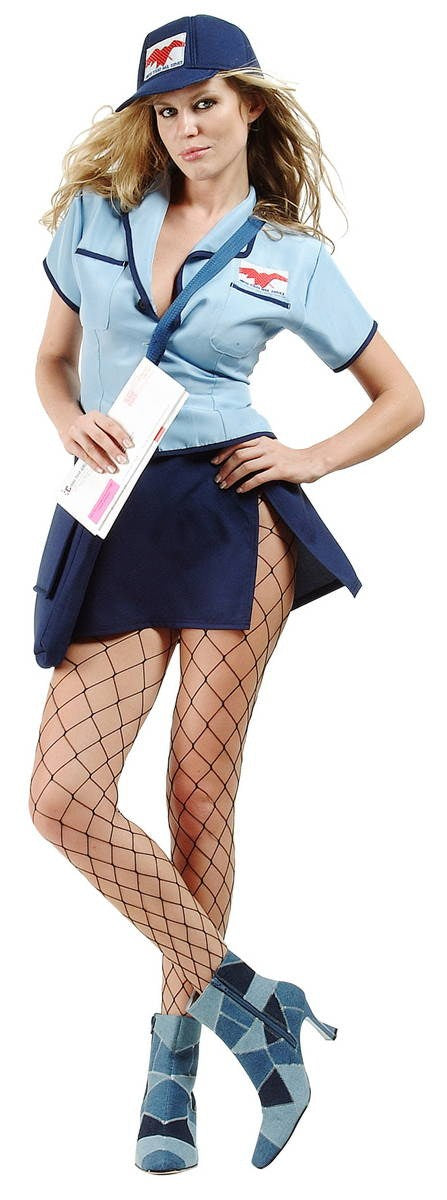
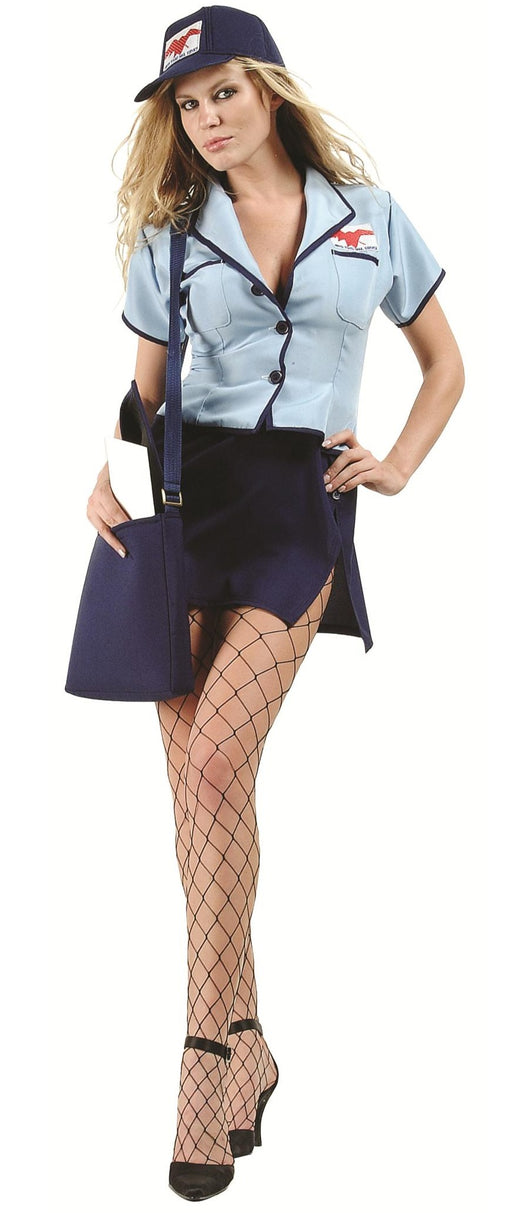
Sexy Post Office Girl | Costume-Shop.com
In stock
Attention all aspiring letter carriers and mail enthusiasts! Prepare to deliver a package of seductive style and naughty charm with our Sexy Post O...
View full details
Original price
$27.95
-
Original price
$27.95
Original price
$27.95
$27.95
-
$27.95
Current price
$27.95


Original price
$110.95
-
Original price
$110.95
Original price
$110.95
$110.95
-
$110.95
Current price
$110.95
Northern Warrior Costume | Costume-Shop.com
Low stock
Upgrade your costume game to legendary status with the Northern Warrior Costume! Designed for rugged adventurers and fearless warriors of the North...
View full details
Original price
$110.95
-
Original price
$110.95
Original price
$110.95
$110.95
-
$110.95
Current price
$110.95
Original price
$66.95
-
Original price
$66.95
Original price
$66.95
$66.95
-
$66.95
Current price
$66.95
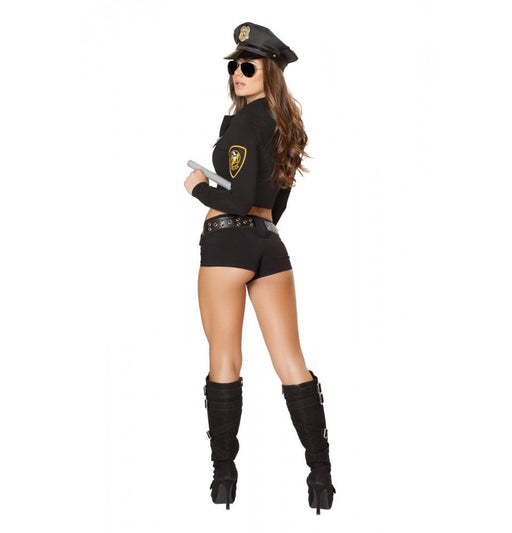
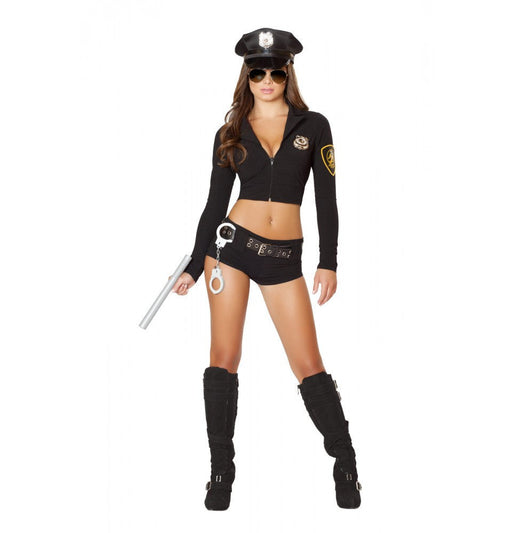
Sexy Police Officer Hottie | Costume-Shop.com
Low stock
🚓 Enforce Fun with a Dash of Flair! Step into the role of authority with the Sexy Police Officer Hottie Costume from www.Costume-shop.com. Designed...
View full details
Original price
$66.95
-
Original price
$66.95
Original price
$66.95
$66.95
-
$66.95
Current price
$66.95


Original price
$97.95
-
Original price
$97.95
Original price
$97.95
$97.95
-
$97.95
Current price
$97.95
Sexy Miss Claus Costume | Costume-Shop.com
Low stock
C170Sexy Miss Claus Costume Includes:Long Robe with Fur Trim Detail, Detachable Belt, & Shorts Material:Stretch Velvet Ships From:Los Angeles S...
View full details
Original price
$97.95
-
Original price
$97.95
Original price
$97.95
$97.95
-
$97.95
Current price
$97.95
Original price
$73.95
-
Original price
$73.95
Original price
$73.95
$73.95
-
$73.95
Current price
$73.95
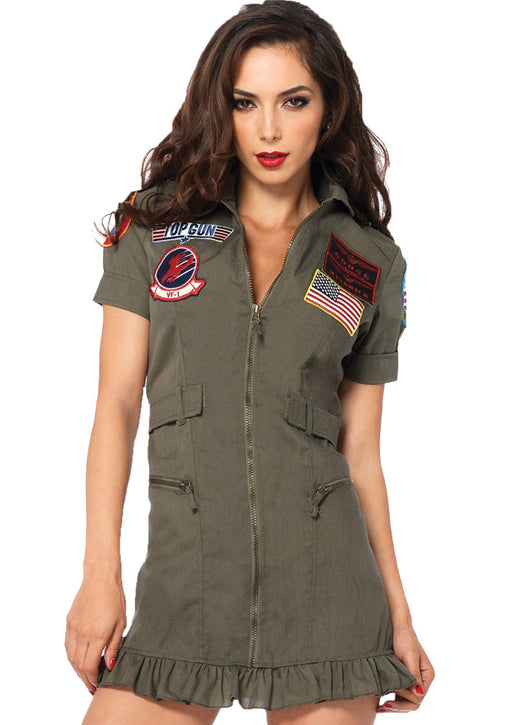
Top Gun Flight Dress | Costume-shop.com
In stock
✈️ Feel the Need for Speed! Elevate your costume game at your next party, Halloween event, or any gathering calling for a bit of high-flying action...
View full details
Original price
$73.95
-
Original price
$73.95
Original price
$73.95
$73.95
-
$73.95
Current price
$73.95
Leave a comment