

Mexican Memento Mori: A Celebration of Life and Death
Introduction
Death is an inevitable part of life, but in Mexican culture, it is not something to be feared or mourned. Instead, death is celebrated with colorful festivals and traditions that pay homage to the deceased and remind the living to embrace every moment. One such tradition is the Mexican Memento Mori.
What is Memento Mori?
Memento Mori is a Latin phrase that translates to "remember you must die." It originated in ancient Rome as a reminder of mortality and the transient nature of life. The concept has since been adopted by many cultures around the world, each adding their own unique twist to its interpretation.
In Mexico, Memento Mori takes on a vibrant and festive form. Rather than being a somber reminder of death, it becomes a celebration of life and an opportunity to honor loved ones who have passed away.
The Day of the Dead - Día de los Muertos
The most well-known manifestation of Mexican Memento Mori is the Day of the Dead, or Día de los Muertos. Celebrated annually on November 1st and 2nd, this colorful and lively tradition brings families and communities together to remember and celebrate their deceased loved ones.
During the Day of the Dead, families create elaborate altars called "ofrendas" in their homes. These ofrendas are adorned with photographs of the departed, along with their favorite foods, drinks, personal belongings, and marigold flowers. It is believed that these offerings will guide the spirits back to the earthly realm for a joyful reunion with their loved ones.
Graveyards also come alive during this time as families gather to clean and decorate the graves of their ancestors. Cemeteries are filled with candlelight, music, laughter, and even picnics as people spend the night reminiscing about the lives of those who have passed away.
The Symbolism Behind Memento Mori
Mexican Memento Mori is rich in symbolism, each element representing a different aspect of life and death. Here are some key symbols associated with this tradition:
Sugar Skulls - Calaveras de Azúcar
Sugar skulls are one of the most iconic symbols of Mexican Memento Mori. These colorful confections are made from sugar paste and decorated with intricate designs. They often bear the names of deceased loved ones and are placed on ofrendas or given as gifts during Day of the Dead celebrations.
Catrina - The Elegant Skeleton
The Catrina is another prominent symbol associated with Mexican Memento Mori. This elegantly dressed skeleton figure was created by renowned Mexican artist José Guadalupe Posada in the early 20th century. The Catrina serves as a reminder that death is an equalizer, stripping away class and status, and emphasizing the unity of all people in the face of mortality.
Marigold Flowers - Cempasúchil
Marigold flowers are known as cempasúchil in Mexico and hold great significance during Day of the Dead celebrations. The vibrant orange blooms are believed to attract the souls of the departed with their color and fragrance, guiding them back to their loved ones' altars.
Papel Picado - Decorative Paper Banners
Papel picado is a traditional Mexican craft where intricate designs are cut into colorful tissue paper. These delicate banners are hung throughout homes and cemeteries during Day of the Dead celebrations, adding a festive touch to the atmosphere. The designs often feature skeletons or other motifs related to Memento Mori.
Mexican Memento Mori Today
While Memento Mori has ancient roots, it continues to thrive in modern-day Mexico. The Day of the Dead is recognized as an official holiday in Mexico, and its vibrant traditions have spread beyond its borders, captivating people from all over the world.
In recent years, Mexican Memento Mori has gained popularity in mainstream culture, inspiring various forms of art, fashion, and even tattoo designs. The colorful imagery and rich symbolism associated with this tradition serve as a powerful reminder for individuals to cherish their own lives while honoring those who have passed away.
Visiting Mexico during Day of the Dead offers a unique opportunity to immerse oneself in the beauty and joy of this tradition. Cities such as Mexico City, Oaxaca, and Pátzcuaro are known for their elaborate celebrations, with parades, concerts, art exhibitions, and traditional dances taking place throughout the festivities.
For those unable to travel to Mexico, there are still ways to incorporate Mexican Memento Mori into your own life. Creating a personal ofrenda for deceased loved ones or attending local Day of the Dead events can provide a meaningful experience that connects you with this vibrant cultural tradition.
Conclusion
Mexican Memento Mori is a celebration of life and death, reminding us to appreciate every moment we have, while honoring our ancestors and loved ones who have passed away. The colorful traditions associated with this practice bring communities together and serve as a reminder that death is not an end but rather a continuation of the journey.
So next time you see a sugar skull or admire the intricate designs of papel picado, take a moment to reflect on the essence of Mexican Memento Mori. Embrace life, celebrate its fleeting beauty, and honor those who came before us.
Featured collection
Original price
$27.95
-
Original price
$27.95
Original price
$27.95
$27.95
-
$27.95
Current price
$27.95
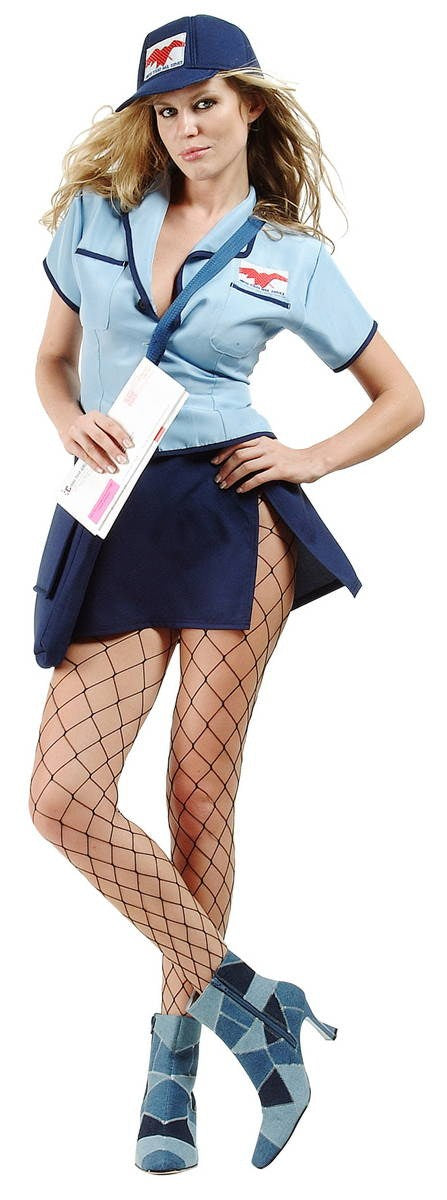
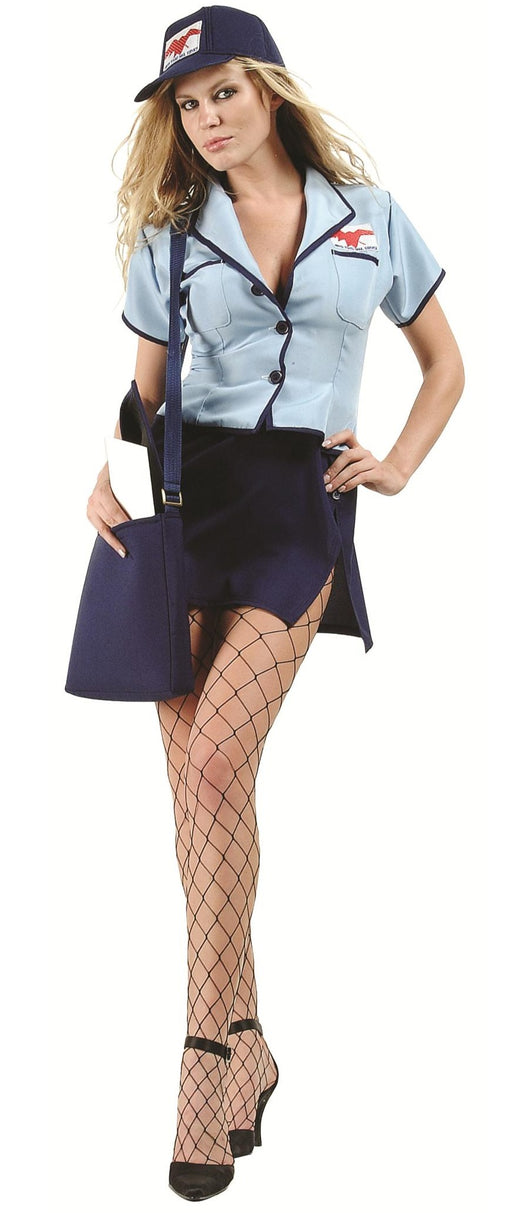
Sexy Post Office Girl | Costume-Shop.com
In stock
Attention all aspiring letter carriers and mail enthusiasts! Prepare to deliver a package of seductive style and naughty charm with our Sexy Post O...
View full details
Original price
$27.95
-
Original price
$27.95
Original price
$27.95
$27.95
-
$27.95
Current price
$27.95


Original price
$110.95
-
Original price
$110.95
Original price
$110.95
$110.95
-
$110.95
Current price
$110.95
Northern Warrior Costume | Costume-Shop.com
Low stock
Upgrade your costume game to legendary status with the Northern Warrior Costume! Designed for rugged adventurers and fearless warriors of the North...
View full details
Original price
$110.95
-
Original price
$110.95
Original price
$110.95
$110.95
-
$110.95
Current price
$110.95
Original price
$66.95
-
Original price
$66.95
Original price
$66.95
$66.95
-
$66.95
Current price
$66.95
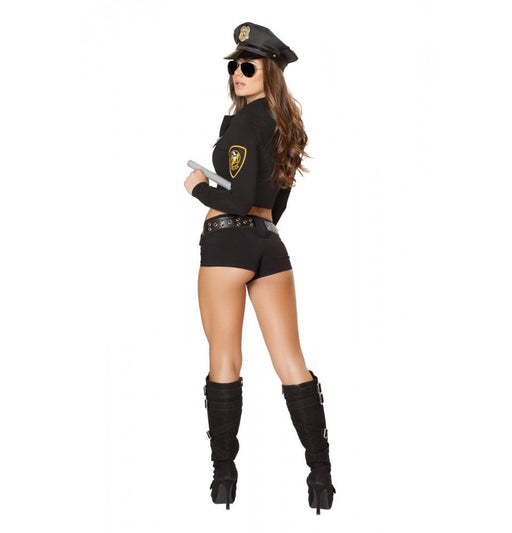
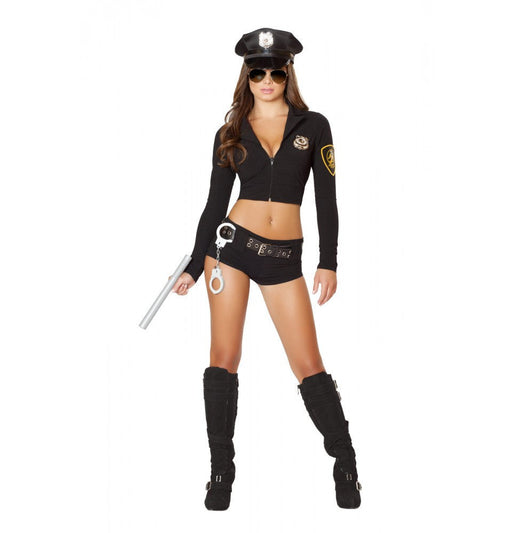
Sexy Police Officer Hottie | Costume-Shop.com
Low stock
🚓 Enforce Fun with a Dash of Flair! Step into the role of authority with the Sexy Police Officer Hottie Costume from www.Costume-shop.com. Designed...
View full details
Original price
$66.95
-
Original price
$66.95
Original price
$66.95
$66.95
-
$66.95
Current price
$66.95


Original price
$97.95
-
Original price
$97.95
Original price
$97.95
$97.95
-
$97.95
Current price
$97.95
Sexy Miss Claus Costume | Costume-Shop.com
Low stock
C170Sexy Miss Claus Costume Includes:Long Robe with Fur Trim Detail, Detachable Belt, & Shorts Material:Stretch Velvet Ships From:Los Angeles S...
View full details
Original price
$97.95
-
Original price
$97.95
Original price
$97.95
$97.95
-
$97.95
Current price
$97.95
Original price
$73.95
-
Original price
$73.95
Original price
$73.95
$73.95
-
$73.95
Current price
$73.95
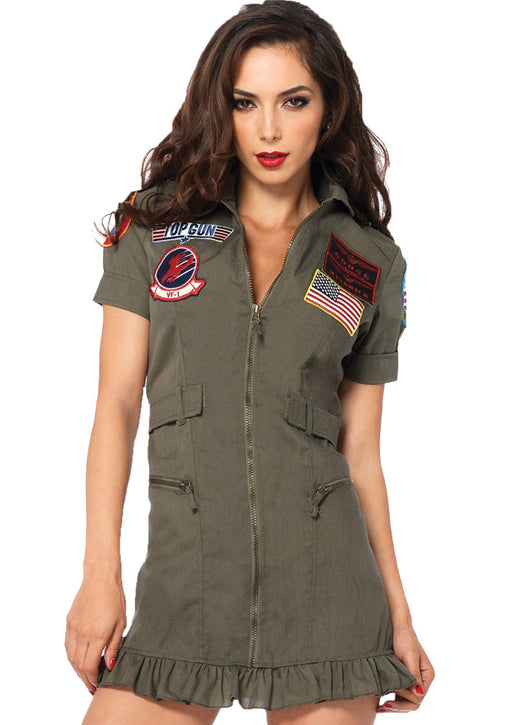
Top Gun Flight Dress | Costume-shop.com
In stock
✈️ Feel the Need for Speed! Elevate your costume game at your next party, Halloween event, or any gathering calling for a bit of high-flying action...
View full details
Original price
$73.95
-
Original price
$73.95
Original price
$73.95
$73.95
-
$73.95
Current price
$73.95
Leave a comment