

Hand-Sewing Techniques for Costume Making

When it comes to costume making, hand-sewing techniques are essential skills that every costume designer or enthusiast should have in their arsenal. While sewing machines offer convenience and speed, hand-sewing allows for more precision and control over delicate fabrics and intricate details. Whether you're creating a historical costume, a cosplay outfit, or a theatrical garment, mastering these hand-sewing techniques will elevate the quality and authenticity of your creations.
1. Hand Basting
Hand basting is a temporary stitch used to hold fabric layers together before permanent sewing. It involves using long, loose stitches that are easily removed once the final stitching is complete. Hand basting allows for easy adjustments, fitting, and pattern placement without the permanence of machine stitches. This technique is particularly useful when working with difficult fabrics or complex garment constructions.

2. Slip Stitching
Slip stitching is an almost invisible stitch used to join fabric edges or hems together without being seen from the right side of the fabric. This technique is commonly used for finishing linings or attaching trims and embellishments. To slip stitch, insert the needle through both layers of fabric, catching just a few threads at a time, then pull it through and repeat until the seam is secure.

3. Blind Hem Stitch
The blind hem stitch creates a nearly invisible hem by catching only a few threads on the right side of the fabric while securing it with longer stitches on the wrong side. This technique is ideal for creating hems on skirts, pants, or sleeves where you want to minimize visible stitches on the outside of the garment. With practice, you can achieve professional-looking hems that blend seamlessly with the fabric.

4. French Seam
The French seam is a technique used to enclose raw fabric edges within the seam for a clean and finished look. It's commonly used on lightweight fabrics or garments where the inside will be visible, such as sheer dresses or blouses. To create a French seam, sew the wrong sides of the fabric together with a narrow seam allowance, trim the excess fabric, then fold it again with the right sides together and sew another seam to encase the raw edges.

5. Overcasting
Overcasting is a technique used to prevent fabric fraying by enclosing the raw edges with stitches. This hand-sewing method is particularly useful for fabrics that tend to unravel easily, such as satin, chiffon, or silk. To overcast, stitch along the edge of the fabric in an over-and-under motion, securing the threads around the raw edges and preventing them from coming apart.

6. Gathering
Gathering involves stitching multiple rows of long basting stitches on fabric to create controlled gathers or pleats. This technique is commonly used to create volume or decorative effects in costume designs. To gather fabric, pull on one end of the basting threads while gently pushing and adjusting the folds until you achieve your desired effect.

7. Appliqué
Appliqué is a decorative technique where smaller pieces of fabric are stitched onto a larger base fabric to create designs or patterns. It adds texture and visual interest to costumes, especially when working with fabrics that don't easily support intricate details. Appliqué can be done by hand using small, even stitches to secure the fabric pieces in place.

8. Hand Embroidery
Hand embroidery is a versatile technique that allows you to add intricate designs, patterns, or embellishments to your costumes. It involves using different types of stitches like satin stitch, chain stitch, or backstitch to create texture and detail on fabric surfaces. Hand embroidery offers endless possibilities for customization and personalization, making your costumes truly one-of-a-kind.

In Conclusion
Mastering these hand-sewing techniques is invaluable for costume makers and designers. They offer greater control, precision, and versatility when working on delicate or complex garments. Whether you're creating historical costumes, cosplay outfits, or theatrical garments, incorporating these techniques will enhance the quality and authenticity of your creations.
Remember, practice makes perfect! Don't be discouraged if it takes time to master these techniques. The more you sew by hand, the more comfortable and skilled you'll become. So grab your needle and thread and start exploring the world of hand-sewing for costume making!
Featured collection
Original price
$27.95
-
Original price
$27.95
Original price
$27.95
$27.95
-
$27.95
Current price
$27.95
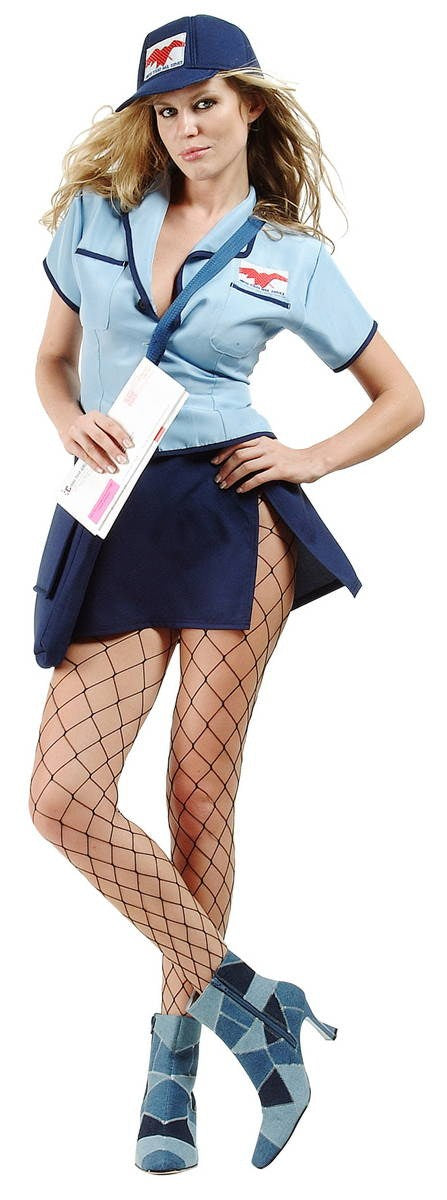
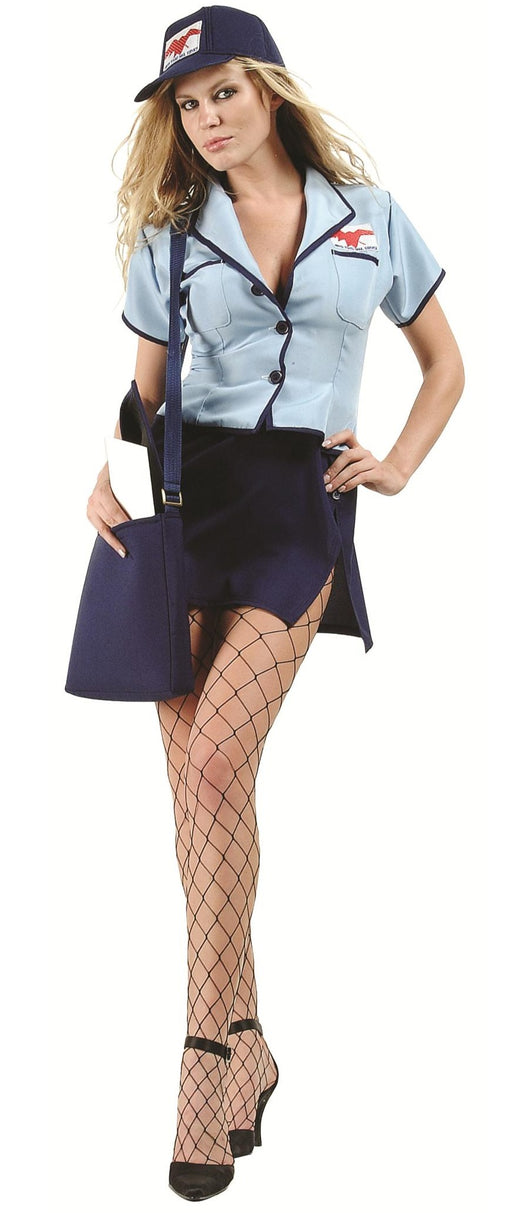
Sexy Post Office Girl | Costume-Shop.com
In stock
Attention all aspiring letter carriers and mail enthusiasts! Prepare to deliver a package of seductive style and naughty charm with our Sexy Post O...
View full details
Original price
$27.95
-
Original price
$27.95
Original price
$27.95
$27.95
-
$27.95
Current price
$27.95


Original price
$110.95
-
Original price
$110.95
Original price
$110.95
$110.95
-
$110.95
Current price
$110.95
Northern Warrior Costume | Costume-Shop.com
Low stock
Upgrade your costume game to legendary status with the Northern Warrior Costume! Designed for rugged adventurers and fearless warriors of the North...
View full details
Original price
$110.95
-
Original price
$110.95
Original price
$110.95
$110.95
-
$110.95
Current price
$110.95
Original price
$66.95
-
Original price
$66.95
Original price
$66.95
$66.95
-
$66.95
Current price
$66.95
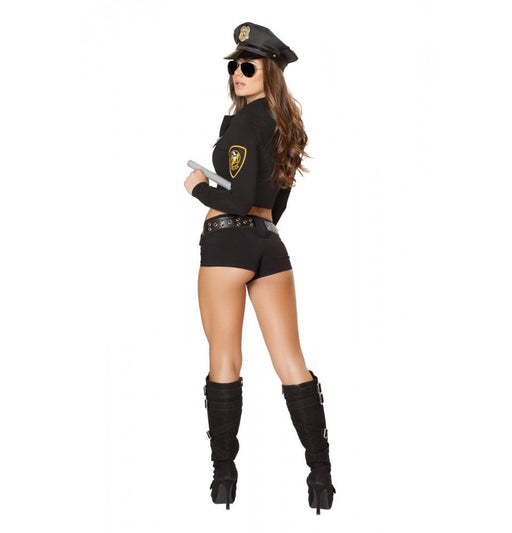
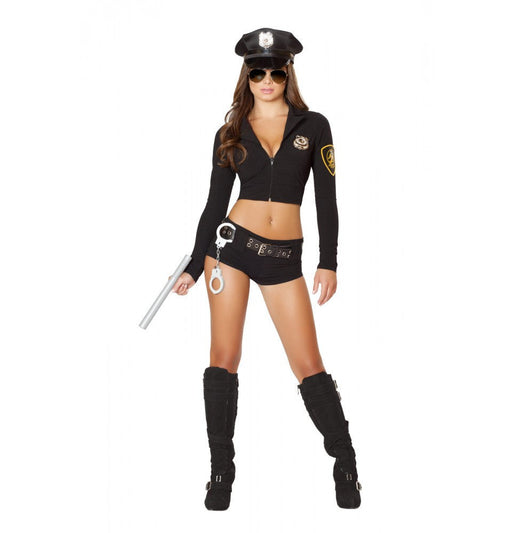
Sexy Police Officer Hottie | Costume-Shop.com
Low stock
🚓 Enforce Fun with a Dash of Flair! Step into the role of authority with the Sexy Police Officer Hottie Costume from www.Costume-shop.com. Designed...
View full details
Original price
$66.95
-
Original price
$66.95
Original price
$66.95
$66.95
-
$66.95
Current price
$66.95


Original price
$97.95
-
Original price
$97.95
Original price
$97.95
$97.95
-
$97.95
Current price
$97.95
Sexy Miss Claus Costume | Costume-Shop.com
Low stock
C170Sexy Miss Claus Costume Includes:Long Robe with Fur Trim Detail, Detachable Belt, & Shorts Material:Stretch Velvet Ships From:Los Angeles S...
View full details
Original price
$97.95
-
Original price
$97.95
Original price
$97.95
$97.95
-
$97.95
Current price
$97.95
Original price
$73.95
-
Original price
$73.95
Original price
$73.95
$73.95
-
$73.95
Current price
$73.95
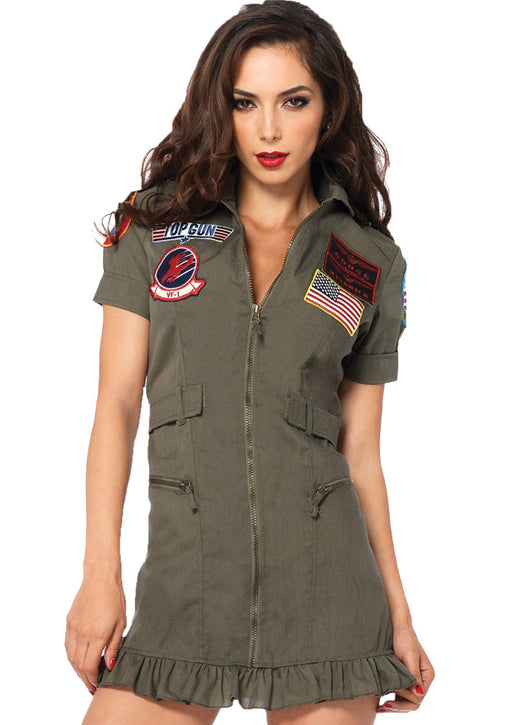
Top Gun Flight Dress | Costume-shop.com
In stock
✈️ Feel the Need for Speed! Elevate your costume game at your next party, Halloween event, or any gathering calling for a bit of high-flying action...
View full details
Original price
$73.95
-
Original price
$73.95
Original price
$73.95
$73.95
-
$73.95
Current price
$73.95
Leave a comment