

Halloween in Christianity - The True Origins and Meaning
When you think of Halloween, what comes to mind? Perhaps it's images of pumpkins, costumes, and candy. But did you know that Halloween has roots in Christianity? In this blog post, we will explore the true origins and meaning of Halloween in Christianity.
The History of Halloween
Halloween, also known as All Hallows' Eve or All Saints' Eve, is celebrated annually on October 31st. Its history can be traced back to the ancient Celtic festival known as Samhain. Samhain marked the end of the harvest season and the beginning of winter. It was believed that on this night, the boundary between the living and the dead was blurred, allowing spirits to roam freely on Earth.
As Christianity spread throughout Europe, it often incorporated existing pagan festivals into its own traditions. In the 8th century, Pope Gregory III designated November 1st as All Saints' Day to honor all saints and martyrs. The evening before became known as All Hallows' Eve, which eventually evolved into Halloween.
The Christian Perspective on Halloween
In Christianity, Halloween is seen by some as an opportunity to reflect on death and mortality. It serves as a reminder that life is temporary and that our ultimate goal should be eternal life with God. For many Christians, it is a time to remember deceased loved ones and pray for their souls.
Furthermore, Halloween provides an opportunity for Christians to engage with their communities in a positive way. Many churches organize alternative events such as trunk-or-treats or harvest festivals where children can dress up in costumes but focus on celebrating the fall season rather than embracing the darker aspects of Halloween.
The Symbolism of Halloween
Halloween is filled with various symbols and traditions, some of which have Christian origins:
1. Jack-o'-Lanterns
The tradition of carving pumpkins into Jack-o'-lanterns has its roots in Irish folklore. According to legend, a man named Stingy Jack tricked the devil multiple times and was therefore denied entry to both heaven and hell after his death. As a result, he was condemned to wander the Earth with only a carved-out turnip holding a burning coal to light his way. When Irish immigrants brought this tradition to America, they found that pumpkins were more readily available and began using them instead.
2. Costumes
Dressing up in costumes on Halloween can be traced back to the Celtic festival of Samhain. During this time, people would wear disguises to confuse or ward off evil spirits. In Christian tradition, costumes can also represent biblical characters or saints.
3. Trick-or-Treating
Trick-or-treating has its origins in medieval Christian practices such as "souling" or "guising." These activities involved going door-to-door, offering prayers for the dead in exchange for food or money. Over time, it evolved into the modern practice of children wearing costumes and collecting candy from neighbors.
Conclusion
While Halloween may have pagan origins, it has also been embraced by Christianity as an opportunity to remember and honor the saints and martyrs who have gone before us. It serves as a reminder of our mortality and the importance of living in preparation for eternal life.
If you're looking for costumes or decorations for your Halloween celebrations, be sure to check out our store at https://www.costume-shop.com/. We offer a wide range of options to help make your Halloween festivities memorable and fun.
Featured collection
Original price
$27.95
-
Original price
$27.95
Original price
$27.95
$27.95
-
$27.95
Current price
$27.95
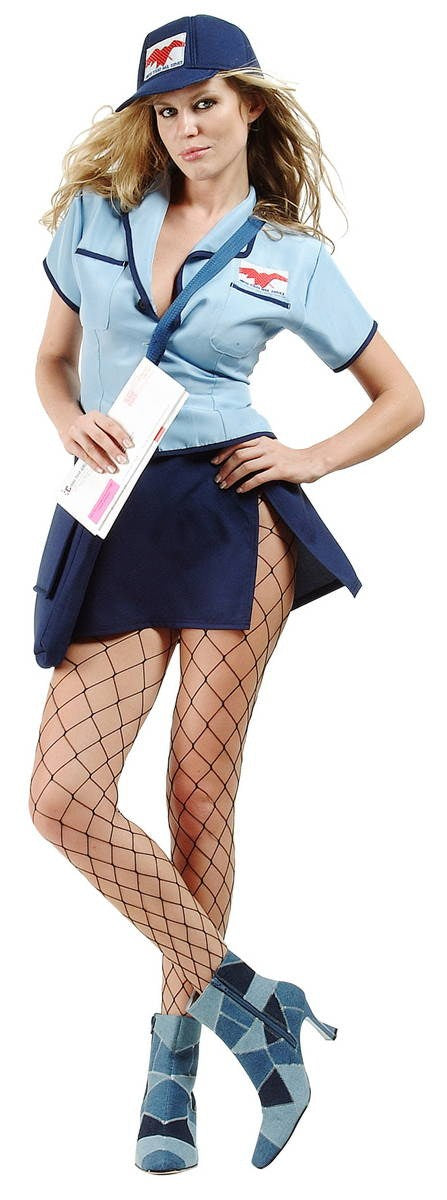
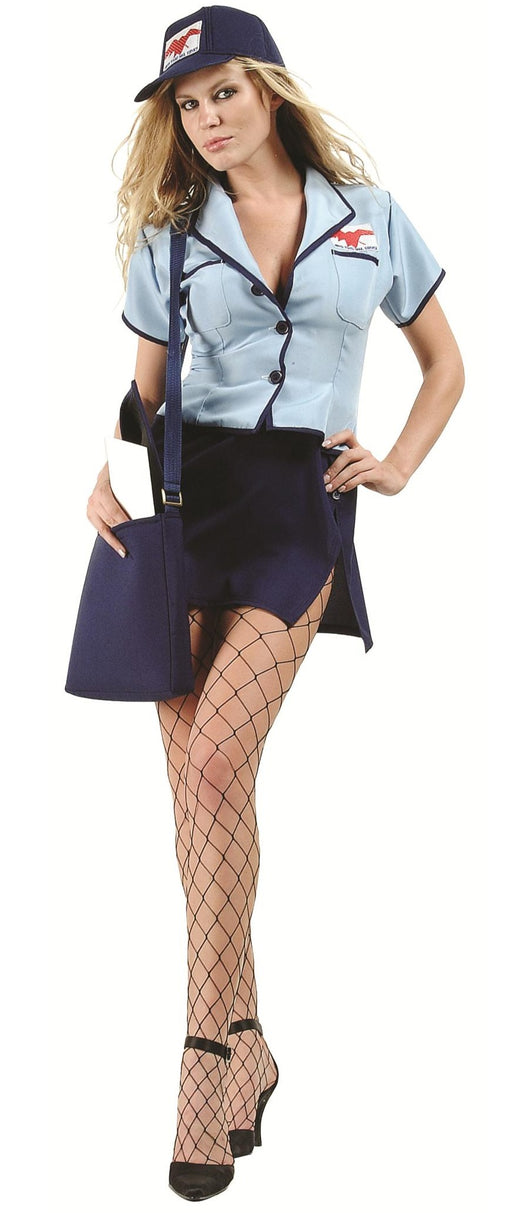
Sexy Post Office Girl | Costume-Shop.com
In stock
Attention all aspiring letter carriers and mail enthusiasts! Prepare to deliver a package of seductive style and naughty charm with our Sexy Post O...
View full details
Original price
$27.95
-
Original price
$27.95
Original price
$27.95
$27.95
-
$27.95
Current price
$27.95


Original price
$110.95
-
Original price
$110.95
Original price
$110.95
$110.95
-
$110.95
Current price
$110.95
Northern Warrior Costume | Costume-Shop.com
Low stock
Upgrade your costume game to legendary status with the Northern Warrior Costume! Designed for rugged adventurers and fearless warriors of the North...
View full details
Original price
$110.95
-
Original price
$110.95
Original price
$110.95
$110.95
-
$110.95
Current price
$110.95
Original price
$66.95
-
Original price
$66.95
Original price
$66.95
$66.95
-
$66.95
Current price
$66.95
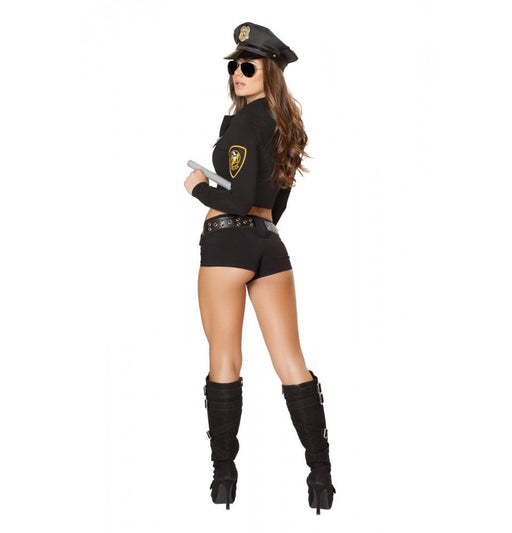
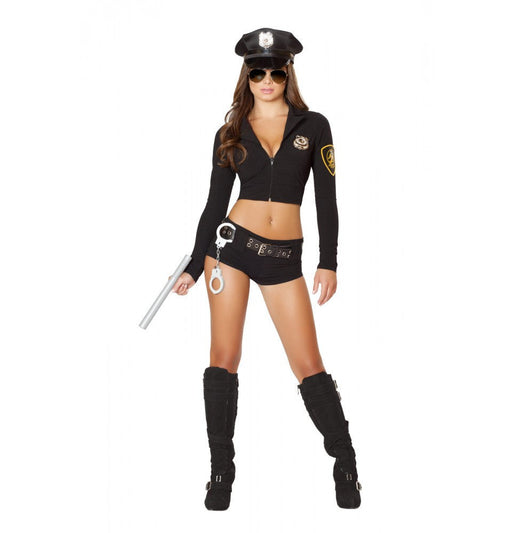
Sexy Police Officer Hottie | Costume-Shop.com
Low stock
🚓 Enforce Fun with a Dash of Flair! Step into the role of authority with the Sexy Police Officer Hottie Costume from www.Costume-shop.com. Designed...
View full details
Original price
$66.95
-
Original price
$66.95
Original price
$66.95
$66.95
-
$66.95
Current price
$66.95


Original price
$97.95
-
Original price
$97.95
Original price
$97.95
$97.95
-
$97.95
Current price
$97.95
Sexy Miss Claus Costume | Costume-Shop.com
Low stock
C170Sexy Miss Claus Costume Includes:Long Robe with Fur Trim Detail, Detachable Belt, & Shorts Material:Stretch Velvet Ships From:Los Angeles S...
View full details
Original price
$97.95
-
Original price
$97.95
Original price
$97.95
$97.95
-
$97.95
Current price
$97.95
Original price
$73.95
-
Original price
$73.95
Original price
$73.95
$73.95
-
$73.95
Current price
$73.95
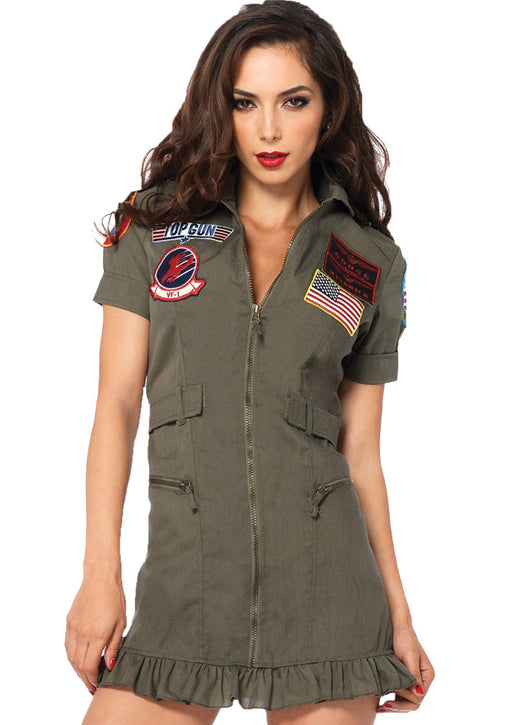
Top Gun Flight Dress | Costume-shop.com
In stock
✈️ Feel the Need for Speed! Elevate your costume game at your next party, Halloween event, or any gathering calling for a bit of high-flying action...
View full details
Original price
$73.95
-
Original price
$73.95
Original price
$73.95
$73.95
-
$73.95
Current price
$73.95
Leave a comment