

Halloween Folklore Explained

Every year on the night of October 31st, people around the world celebrate Halloween. This holiday is known for its fun and spooky traditions, but have you ever wondered about the origins of these customs? In this blog post, we will explore the fascinating folklore behind Halloween and how it has evolved over time.
The Origins of Halloween
Halloween can be traced back to the ancient Celtic festival of Samhain. The Celts, who lived over 2,000 years ago in what is now Ireland, the United Kingdom, and northern France, celebrated their new year on November 1st. They believed that on the night before the new year, October 31st, the boundary between the living and the dead was blurred.
During Samhain, it was believed that the spirits of the dead would return to Earth to cause havoc and damage crops. To appease these spirits, the Celtic people would light bonfires and wear costumes to ward off evil spirits. This tradition eventually evolved into what we now know as Halloween.
Jack-o'-Lanterns
One of the most iconic symbols of Halloween is the jack-o'-lantern. According to folklore, a man named Jack was known for his trickery and deceitfulness. Legend has it that when Jack died, he was denied entry into both heaven and hell.
Left to wander the Earth with only a burning coal from hell to light his way, Jack placed this coal inside a carved turnip to create a lantern. The Irish began carving scary faces into turnips or potatoes and placing them in windows or near doors to scare away evil spirits like Jack.
When Irish immigrants came to America in large numbers during the 19th century, they brought this tradition with them. However, they soon discovered that pumpkins were much easier to carve than turnips or potatoes. Thus, the jack-o'-lantern as we know it today was born.
Trick-or-Treating
The practice of trick-or-treating also has its roots in ancient Celtic traditions. During Samhain, it was believed that leaving offerings of food and drink outside your door would appease any wandering spirits and protect your home from mischief.
As Christianity spread and Halloween became more influenced by Christian traditions, the practice of leaving offerings evolved into "souling." On All Souls' Day, which is November 2nd, children and the poor would go door-to-door begging for soul cakes in exchange for praying for the souls of the homeowner's deceased loved ones.
This tradition eventually merged with the American custom of trick-or-treating that we know today. In the early 20th century, children would go door-to-door dressed in costumes and say a rhyme or perform a trick in exchange for treats such as candy or coins.
Witches and Black Cats
Another common element of Halloween folklore revolves around witches and black cats. In medieval Europe, witches were believed to gather twice a year: on April 30th (Walpurgis Night) and October 31st (the eve of Samhain).
Black cats were associated with witchcraft during this time because they were believed to be witches' familiars or companions. It was thought that witches could transform themselves into black cats to avoid detection.
To this day, witches and black cats are often seen as symbols of Halloween. Many people decorate their homes with images of witches flying on broomsticks or place fake black cats as decorations.
The Legend of Sleepy Hollow
No discussion about Halloween folklore would be complete without mentioning Washington Irving's famous short story, "The Legend of Sleepy Hollow." Published in 1820, this spooky tale follows the adventures of Ichabod Crane, a schoolteacher who encounters a headless horseman while traveling through Sleepy Hollow on Halloween night.
The story has become synonymous with Halloween and has been adapted numerous times into movies, TV shows, and plays. The legend of the headless horseman continues to captivate audiences and add to the spooky allure of the holiday.
In Conclusion
Halloween is a holiday filled with rich folklore and traditions that have been passed down through generations. From its ancient Celtic roots to modern-day celebrations, this holiday continues to capture our imaginations and provide us with a sense of excitement and mystery.
So as you don your costumes, carve your jack-o'-lanterns, and go trick-or-treating this Halloween, take a moment to appreciate the fascinating folklore behind these customs. Happy Halloween!
Featured collection
Original price
$27.95
-
Original price
$27.95
Original price
$27.95
$27.95
-
$27.95
Current price
$27.95
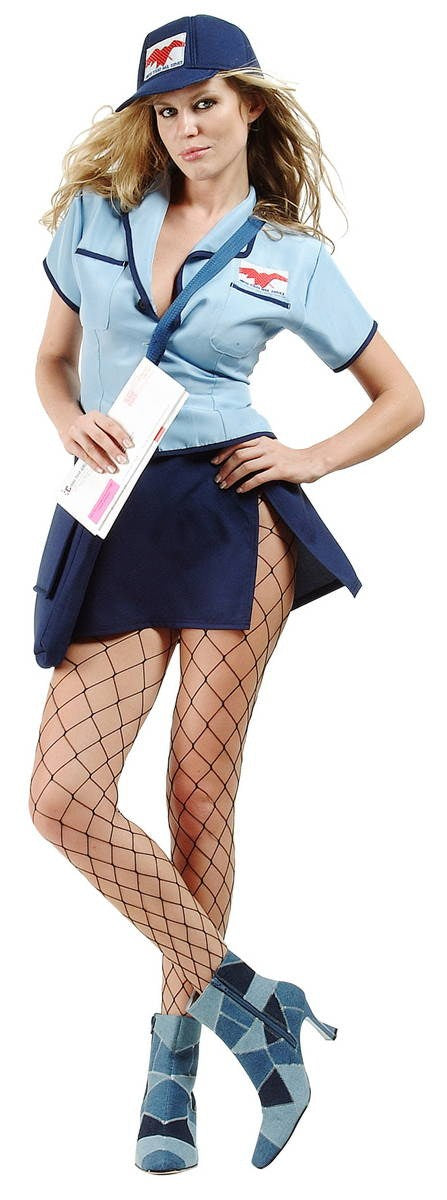
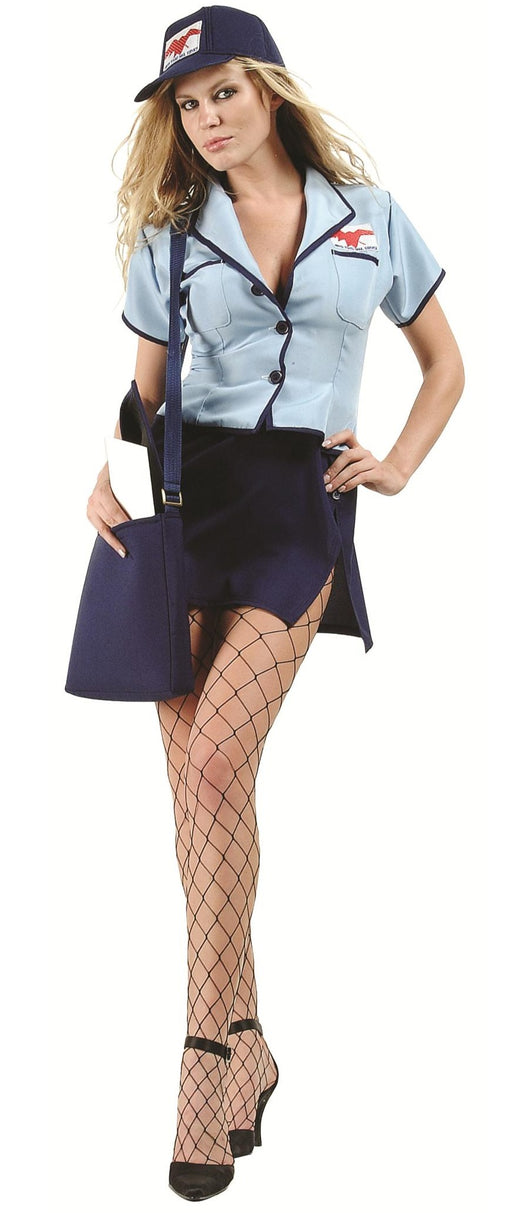
Sexy Post Office Girl | Costume-Shop.com
In stock
Attention all aspiring letter carriers and mail enthusiasts! Prepare to deliver a package of seductive style and naughty charm with our Sexy Post O...
View full details
Original price
$27.95
-
Original price
$27.95
Original price
$27.95
$27.95
-
$27.95
Current price
$27.95


Original price
$110.95
-
Original price
$110.95
Original price
$110.95
$110.95
-
$110.95
Current price
$110.95
Northern Warrior Costume | Costume-Shop.com
Low stock
Upgrade your costume game to legendary status with the Northern Warrior Costume! Designed for rugged adventurers and fearless warriors of the North...
View full details
Original price
$110.95
-
Original price
$110.95
Original price
$110.95
$110.95
-
$110.95
Current price
$110.95
Original price
$66.95
-
Original price
$66.95
Original price
$66.95
$66.95
-
$66.95
Current price
$66.95
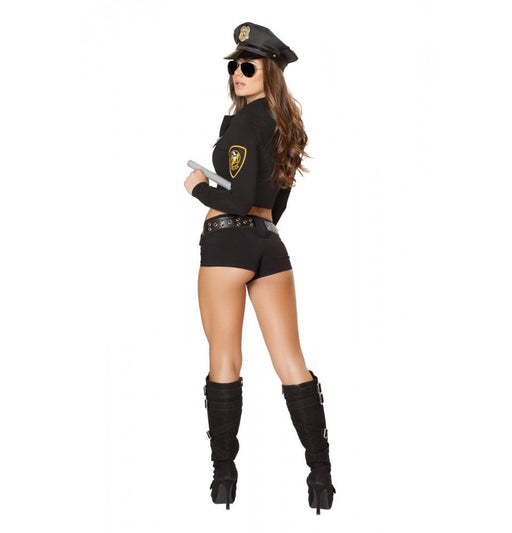
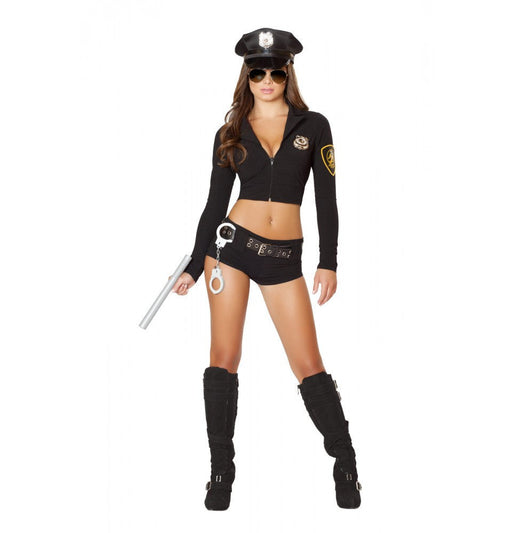
Sexy Police Officer Hottie | Costume-Shop.com
Low stock
🚓 Enforce Fun with a Dash of Flair! Step into the role of authority with the Sexy Police Officer Hottie Costume from www.Costume-shop.com. Designed...
View full details
Original price
$66.95
-
Original price
$66.95
Original price
$66.95
$66.95
-
$66.95
Current price
$66.95


Original price
$97.95
-
Original price
$97.95
Original price
$97.95
$97.95
-
$97.95
Current price
$97.95
Sexy Miss Claus Costume | Costume-Shop.com
Low stock
C170Sexy Miss Claus Costume Includes:Long Robe with Fur Trim Detail, Detachable Belt, & Shorts Material:Stretch Velvet Ships From:Los Angeles S...
View full details
Original price
$97.95
-
Original price
$97.95
Original price
$97.95
$97.95
-
$97.95
Current price
$97.95
Original price
$73.95
-
Original price
$73.95
Original price
$73.95
$73.95
-
$73.95
Current price
$73.95
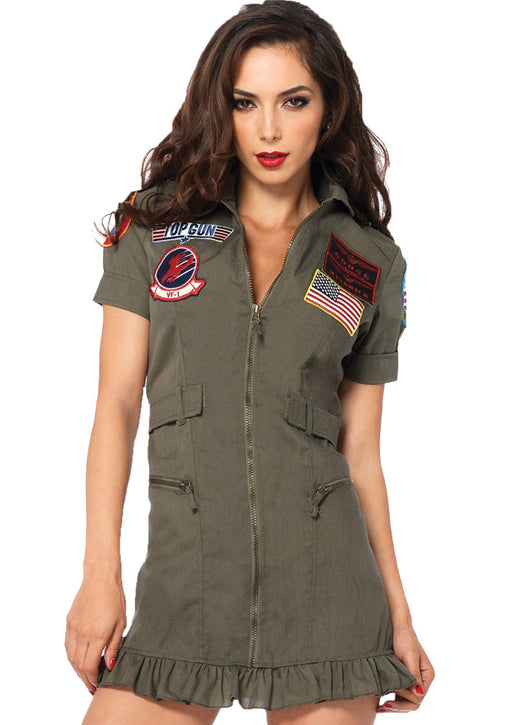
Top Gun Flight Dress | Costume-shop.com
In stock
✈️ Feel the Need for Speed! Elevate your costume game at your next party, Halloween event, or any gathering calling for a bit of high-flying action...
View full details
Original price
$73.95
-
Original price
$73.95
Original price
$73.95
$73.95
-
$73.95
Current price
$73.95
Leave a comment