

Guide to Applying Theatrical Makeup
When it comes to theater productions, makeup plays a crucial role in transforming actors into the characters they portray. Whether you're a professional makeup artist or an aspiring actor doing your own makeup, this guide will provide you with the necessary steps and tips to apply theatrical makeup effectively.
Step 1: Preparing Your Face
Before applying any makeup, it's essential to start with a clean and moisturized face. Cleanse your face thoroughly using a gentle cleanser and pat it dry. Then, apply a lightweight moisturizer to hydrate your skin and create a smooth canvas for makeup application.
Step 2: Primer
A primer is an essential step in theatrical makeup as it helps create a smooth base for foundation and extends the longevity of your makeup. Apply a thin layer of primer all over your face, focusing on areas that tend to get oily, such as the T-zone.
Step 3: Foundation
The foundation is key to achieving an even complexion and covering any imperfections on your skin. Choose a foundation shade that matches your skin tone and apply it using a brush or sponge, blending it evenly over your entire face. Pay extra attention to blending around the hairline and jawline for a seamless finish.
Step 4: Concealer
To cover any blemishes, dark circles, or discoloration, use a concealer that matches your skin tone or is slightly lighter. Apply it directly on the areas that need extra coverage and blend it with a brush or sponge. Remember to blend well for a natural-looking result.
Step 5: Powder
To set your foundation and concealer and prevent shine, apply a translucent powder all over your face using a large fluffy brush. This step will also help your makeup last longer throughout the performance.
Step 6: Contouring and Highlighting
Contouring and highlighting are crucial in theatrical makeup as they help define facial features and create depth for the stage. Use a contour powder or cream that is a few shades darker than your skin tone to sculpt your cheekbones, jawline, and nose. Apply it using an angled brush and blend it well for a natural effect.
Next, choose a highlighter shade that complements your skin tone and apply it to the high points of your face, such as the cheekbones, brow bone, and down the center of your nose. This will add dimension to your features under stage lighting.
Step 7: Eye Makeup
The eyes are often the focal point of theatrical makeup. Start by applying an eyeshadow primer to ensure your eye makeup stays in place throughout the performance. Then, choose eyeshadow colors that suit your character's role and apply them using brushes for precise application.
For dramatic looks, consider using bold colors like reds, blues, or greens. Blend the eyeshadows seamlessly for a professional finish. Don't forget to define your eyebrows with an eyebrow pencil or powder if needed.
Step 8: Eyeliner and Mascara
Eyeliner and mascara help enhance the eyes and make them stand out on stage. Use a black or dark brown eyeliner to line your upper lash line, creating depth and definition. Extend the line slightly beyond the outer corner of your eye for an elongated effect.
Apply multiple coats of mascara to both your upper and lower lashes for added volume and length. Waterproof mascara is recommended to prevent smudging due to stage lights or sweat.
Step 9: Blush
To add a touch of color and warmth to your face, apply blush to the apples of your cheeks. Choose a shade that complements your character's look, whether it's a natural pink or a more vibrant hue. Blend the blush well for a natural flush.
Step 10: Lips
Last but not least, complete your theatrical makeup by applying lipstick or lip gloss. Choose a color that suits your character's role and apply it evenly using a lip brush or directly from the tube.
If you want your lips to appear fuller, consider using a lip liner in a similar shade as your lipstick and slightly overlining your lips. Blotting with tissue paper between layers can also help increase the longevity of the color.
Additional Tips:
- Always practice before the actual performance to perfect your technique and understand how different products work on your skin.
- Invest in high-quality products specifically designed for theatrical makeup as they are formulated to withstand stage lights and long performances.
- Set your makeup with a setting spray for added longevity and to prevent smudging or melting under stage lights.
- Remember to remove all your makeup thoroughly after each performance using a gentle cleanser and follow up with a moisturizer to keep your skin healthy.
By following this guide, you'll be able to apply theatrical makeup like a pro and bring your characters to life on the stage. Don't be afraid to experiment with different looks and techniques to create unique and captivating performances. Break a leg!
Featured collection
Original price
$27.95
-
Original price
$27.95
Original price
$27.95
$27.95
-
$27.95
Current price
$27.95
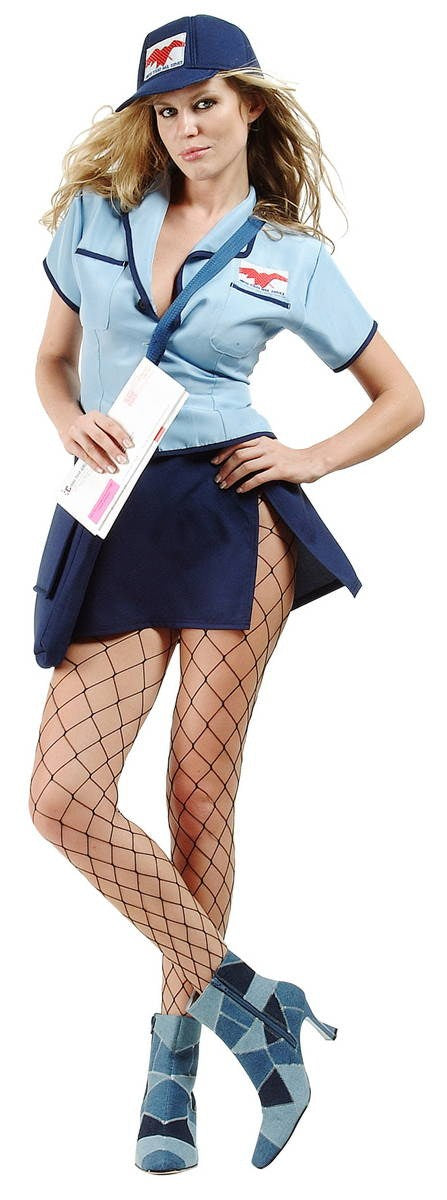
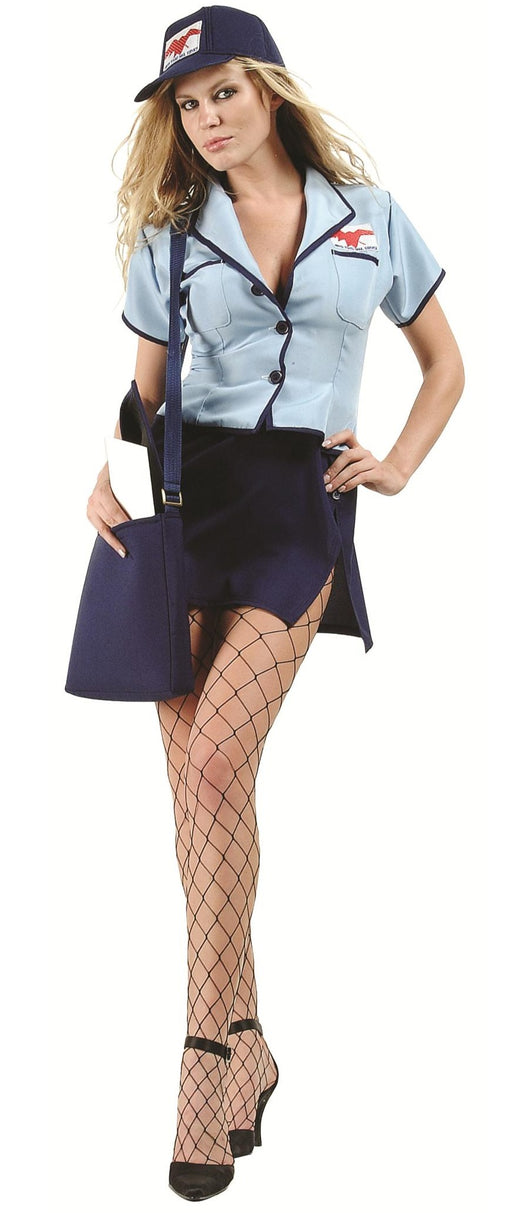
Sexy Post Office Girl | Costume-Shop.com
In stock
Attention all aspiring letter carriers and mail enthusiasts! Prepare to deliver a package of seductive style and naughty charm with our Sexy Post O...
View full details
Original price
$27.95
-
Original price
$27.95
Original price
$27.95
$27.95
-
$27.95
Current price
$27.95


Original price
$110.95
-
Original price
$110.95
Original price
$110.95
$110.95
-
$110.95
Current price
$110.95
Northern Warrior Costume | Costume-Shop.com
Low stock
Upgrade your costume game to legendary status with the Northern Warrior Costume! Designed for rugged adventurers and fearless warriors of the North...
View full details
Original price
$110.95
-
Original price
$110.95
Original price
$110.95
$110.95
-
$110.95
Current price
$110.95
Original price
$66.95
-
Original price
$66.95
Original price
$66.95
$66.95
-
$66.95
Current price
$66.95
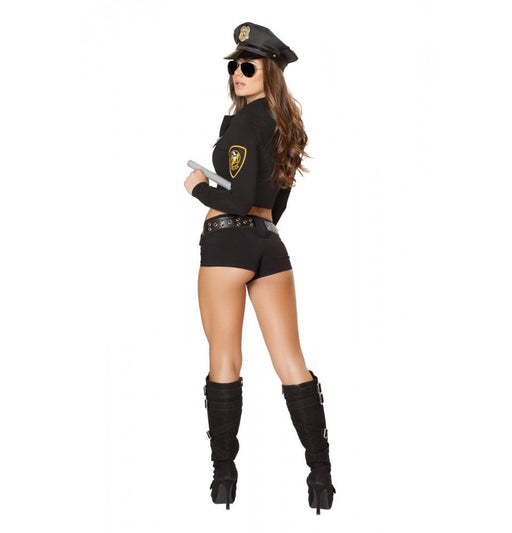
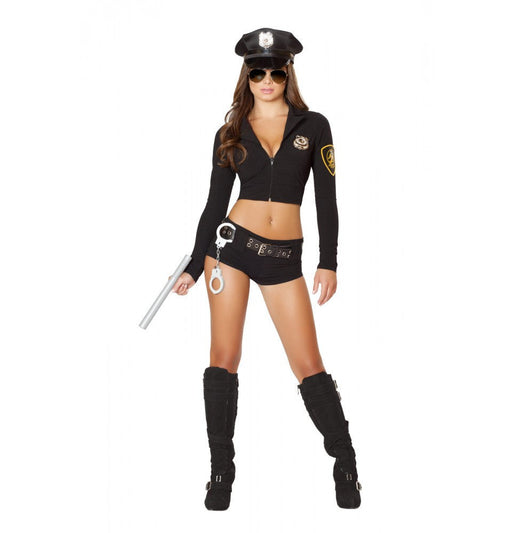
Sexy Police Officer Hottie | Costume-Shop.com
Low stock
🚓 Enforce Fun with a Dash of Flair! Step into the role of authority with the Sexy Police Officer Hottie Costume from www.Costume-shop.com. Designed...
View full details
Original price
$66.95
-
Original price
$66.95
Original price
$66.95
$66.95
-
$66.95
Current price
$66.95


Original price
$97.95
-
Original price
$97.95
Original price
$97.95
$97.95
-
$97.95
Current price
$97.95
Sexy Miss Claus Costume | Costume-Shop.com
Low stock
C170Sexy Miss Claus Costume Includes:Long Robe with Fur Trim Detail, Detachable Belt, & Shorts Material:Stretch Velvet Ships From:Los Angeles S...
View full details
Original price
$97.95
-
Original price
$97.95
Original price
$97.95
$97.95
-
$97.95
Current price
$97.95
Original price
$73.95
-
Original price
$73.95
Original price
$73.95
$73.95
-
$73.95
Current price
$73.95
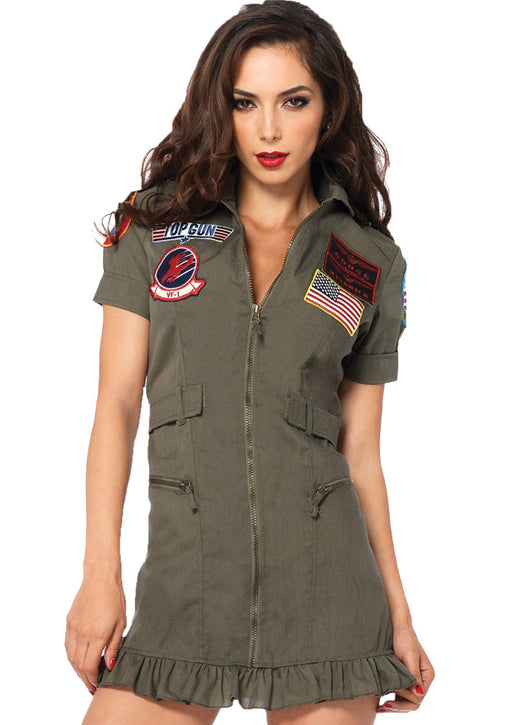
Top Gun Flight Dress | Costume-shop.com
In stock
✈️ Feel the Need for Speed! Elevate your costume game at your next party, Halloween event, or any gathering calling for a bit of high-flying action...
View full details
Original price
$73.95
-
Original price
$73.95
Original price
$73.95
$73.95
-
$73.95
Current price
$73.95
Leave a comment