

Exquisite Examples of Ceremonial Costumes Around the World
Ceremonial costumes have long been a way for cultures around the world to express their rich heritage, celebrate special occasions, and showcase their unique artistic traditions. These costumes, with their intricate designs and vibrant colors, not only reflect the cultural identity of a community but also serve as a visual spectacle that captivates onlookers.
In this blog post, we will explore some stunning examples of ceremonial costumes from different parts of the world:
| Cultural Origin | Ceremonial Costume |
|---|---|
| Mexico | Sombrero and Charro Suit |
| India | Saree |
| Japan | Kimono |
| Africa | Masai Tribal Clothing |
| Russia | Kokoshnik and Sarafan |
Mexico - Sombrero and Charro Suit
The traditional Mexican outfit consists of a sombrero (wide-brimmed hat) and a charro suit. The sombrero is an iconic symbol of Mexico and is known for its large size and colorful designs. It is often decorated with intricate embroidery, beads, and ribbons. The charro suit is a traditional outfit worn by Mexican cowboys called "charros." It typically includes a fitted jacket with silver buttons, tight pants adorned with embroidery or silver details, and a wide belt called a "faja." This ceremonial costume is commonly seen during festivals such as Cinco de Mayo and Day of the Dead.
India - Saree
The saree is a traditional Indian garment worn by women. It is a long piece of fabric that is wrapped around the body and draped over the shoulder. The saree comes in various colors, patterns, and materials such as silk, cotton, and chiffon. Each region in India has its own unique style of draping the saree, resulting in different variations across the country. The intricate designs on sarees often depict scenes from mythology or nature and are created using techniques such as embroidery, block printing, and tie-dye. Sarees are commonly worn during weddings, festivals like Diwali and Navratri, and other special occasions.
Japan - Kimono
The kimono is a traditional Japanese garment that is characterized by its T-shaped structure and wide sleeves. It is usually made from silk or other high-quality textiles and comes in various colors and patterns. Kimonos are often worn during formal occasions, such as weddings and tea ceremonies, as well as during traditional festivals like Hanami (cherry blossom viewing) and Coming of Age Day. The intricate designs on kimonos vary depending on the season, with cherry blossoms representing spring and maple leaves representing autumn. Wearing a kimono requires skillful wrapping and tying techniques, making it an art form in itself.
Africa - Masai Tribal Clothing
The Masai tribe, located in Kenya and Tanzania, is known for its distinctive tribal clothing. Masai men traditionally wear a brightly colored robe called a "shuka" or "maasai blanket," which is made from checkered cloth. They also adorn themselves with beaded jewelry, including necklaces, bracelets, and anklets. Masai women wear vibrant robes called "kangas" or "kitenge," which are wrapped around the body and often decorated with intricate beadwork and metal jewelry. These ceremonial costumes not only reflect the cultural heritage of the Masai tribe but also serve as symbols of beauty and identity.
Russia - Kokoshnik and Sarafan
Russian ceremonial costumes are characterized by their elegant and intricate designs. The kokoshnik is a traditional Russian headdress worn by women during special occasions. It is typically made from silk or velvet and adorned with pearls, ribbons, and decorative motifs. The sarafan is a long, sleeveless dress that is often worn over a blouse or shirt. It is made from colorful fabrics such as silk or brocade and features intricate embroidery or hand-painted designs. These costumes are commonly seen during Russian festivals, weddings, and folk performances.
Conclusion
Ceremonial costumes offer a glimpse into the rich cultural heritage of different communities around the world. From the sombrero and charro suit in Mexico to the saree in India, each costume tells a story and represents the traditions and values of its respective culture. Whether they are worn during weddings, festivals, or other special events, these costumes create a visual spectacle that celebrates diversity and showcases the artistic skills of various communities.
Next time you attend a cultural event or festival, take a moment to appreciate the beauty and significance of the ceremonial costumes on display. They are not just pieces of clothing, but living artifacts that tell tales of tradition, craftsmanship, and cultural pride.
Featured collection
Original price
$27.95
-
Original price
$27.95
Original price
$27.95
$27.95
-
$27.95
Current price
$27.95
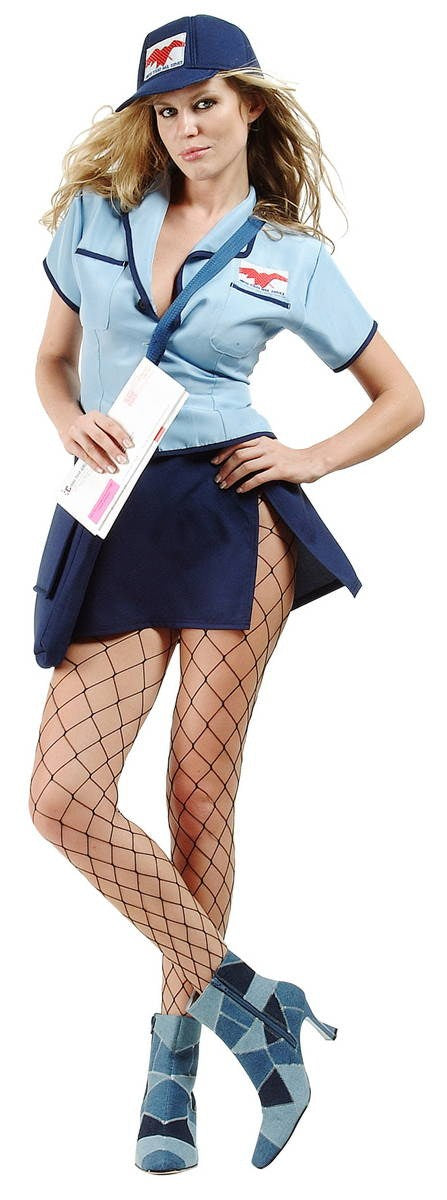
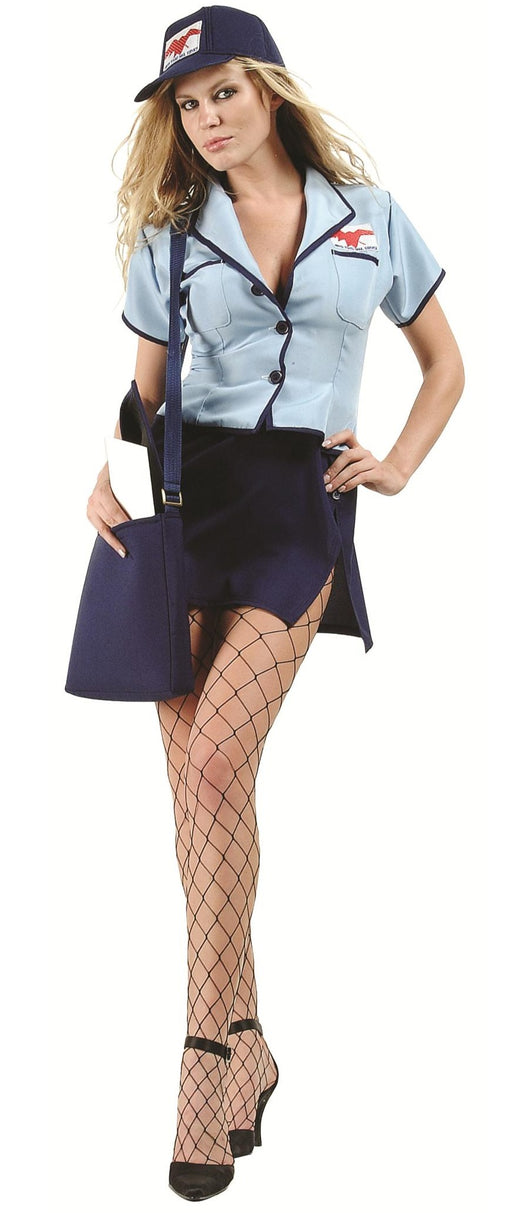
Sexy Post Office Girl | Costume-Shop.com
In stock
Attention all aspiring letter carriers and mail enthusiasts! Prepare to deliver a package of seductive style and naughty charm with our Sexy Post O...
View full details
Original price
$27.95
-
Original price
$27.95
Original price
$27.95
$27.95
-
$27.95
Current price
$27.95


Original price
$110.95
-
Original price
$110.95
Original price
$110.95
$110.95
-
$110.95
Current price
$110.95
Northern Warrior Costume | Costume-Shop.com
Low stock
Upgrade your costume game to legendary status with the Northern Warrior Costume! Designed for rugged adventurers and fearless warriors of the North...
View full details
Original price
$110.95
-
Original price
$110.95
Original price
$110.95
$110.95
-
$110.95
Current price
$110.95
Original price
$66.95
-
Original price
$66.95
Original price
$66.95
$66.95
-
$66.95
Current price
$66.95
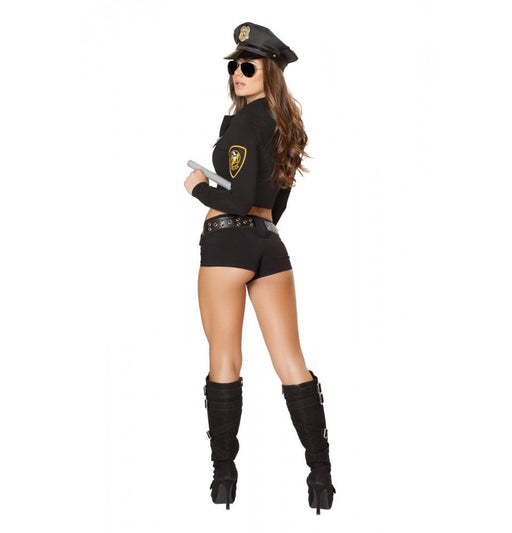
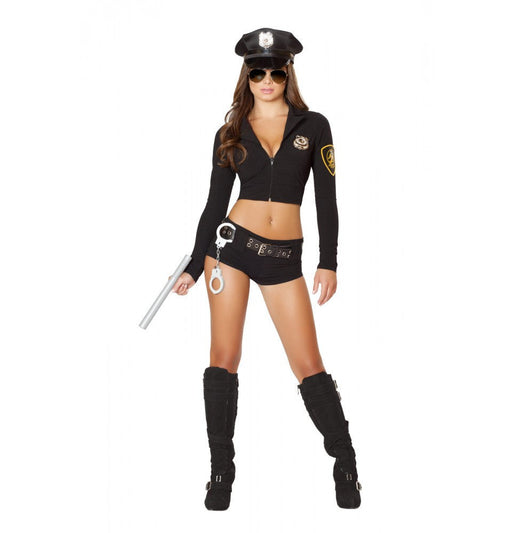
Sexy Police Officer Hottie | Costume-Shop.com
Low stock
🚓 Enforce Fun with a Dash of Flair! Step into the role of authority with the Sexy Police Officer Hottie Costume from www.Costume-shop.com. Designed...
View full details
Original price
$66.95
-
Original price
$66.95
Original price
$66.95
$66.95
-
$66.95
Current price
$66.95


Original price
$97.95
-
Original price
$97.95
Original price
$97.95
$97.95
-
$97.95
Current price
$97.95
Sexy Miss Claus Costume | Costume-Shop.com
Low stock
C170Sexy Miss Claus Costume Includes:Long Robe with Fur Trim Detail, Detachable Belt, & Shorts Material:Stretch Velvet Ships From:Los Angeles S...
View full details
Original price
$97.95
-
Original price
$97.95
Original price
$97.95
$97.95
-
$97.95
Current price
$97.95
Original price
$73.95
-
Original price
$73.95
Original price
$73.95
$73.95
-
$73.95
Current price
$73.95
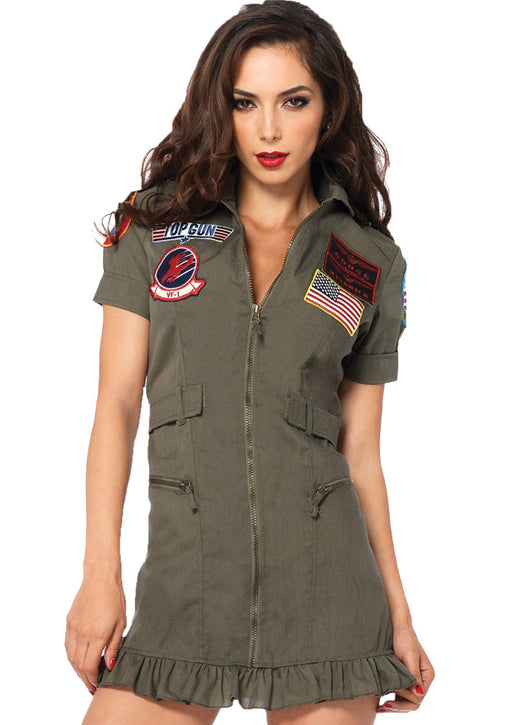
Top Gun Flight Dress | Costume-shop.com
In stock
✈️ Feel the Need for Speed! Elevate your costume game at your next party, Halloween event, or any gathering calling for a bit of high-flying action...
View full details
Original price
$73.95
-
Original price
$73.95
Original price
$73.95
$73.95
-
$73.95
Current price
$73.95
Leave a comment