

Exploring the World of Modern Costume: Unveiling the Style Revolution
Exploring the World of Modern Costume: Unveiling the Style Revolution
In today's fast-paced world, fashion trends come and go. What may be considered fashionable today could easily become outdated tomorrow. However, some styles have stood the test of time, evolving into what we now know as modern costume. As we delve into this fascinating subject, let's unravel the history and significance of modern costume in contemporary society.
What is Modern Costume?
Modern costume refers to the current styles and trends that dominate the fashion industry. It encompasses everything from clothing, accessories, hairstyles, makeup, and even body modifications. Unlike traditional costumes that are associated with specific cultural or historical periods, modern costume is ever-evolving and reflects the spirit of our times.
The concept of modern costume emerged during the late 19th century when industrialization revolutionized clothing production. The advent of sewing machines and mass production techniques made it possible for clothing to be produced quickly and inexpensively. This led to a shift in consumer behavior as people sought to keep up with the latest trends.
The Evolution of Modern Costume
The early 20th century witnessed significant changes in fashion with iconic designers such as Coco Chanel challenging conventional norms and introducing new styles that embraced comfort and functionality. The Roaring Twenties saw a rebellion against restrictive corsets and voluminous skirts, giving rise to flapper dresses that celebrated freedom and liberation.
In the 1950s, Christian Dior revolutionized women's fashion with his "New Look," featuring cinched waists and full skirts. This elegant and feminine style continued into the 1960s until revolutionary designers like Mary Quant and André Courrèges ushered in the era of Mod fashion. Mini skirts, geometric patterns, and bold colors became the epitome of modern costume.
The 1970s witnessed a shift towards more relaxed and bohemian styles with the influence of hippie culture. Bell-bottom pants, maxi dresses, and fringe accessories became synonymous with the decade. This laid the groundwork for subsequent fashion movements such as punk, grunge, and minimalist aesthetics.
In recent years, the rise of social media has played a significant role in shaping modern costume. Influencers and celebrities showcase their personal style to millions of followers, influencing trends and driving consumer demand. Streetwear has gained prominence as a blend of urban style with high-end fashion, reflecting the growing desire for comfort and individuality.
The Significance of Modern Costume
Modern costume holds immense cultural significance as it mirrors societal values, aspirations, and identities. It allows individuals to express themselves creatively while conforming to contemporary norms. Clothing choices are often influenced by factors such as personal taste, profession, occasion, and cultural background.
For many people, modern costume is an essential part of their self-expression. It helps shape their public image and can serve as a form of non-verbal communication. The way we present ourselves through clothing can convey messages about our personality, social status, beliefs, and affiliations.
Moreover, modern costume plays a vital role in various industries such as film, theater, music videos, advertising campaigns, and even political rallies. Costumes are meticulously designed to evoke specific emotions or convey certain narratives that enhance storytelling or create brand identities.
The Future of Modern Costume
As we move forward into the future, it's fascinating to ponder how modern costume will continue to evolve. With advancements in technology and the growing focus on sustainability, we can expect to see more innovative materials, smart clothing, and eco-friendly fashion choices.
The rise of gender-neutral fashion is another significant trend that challenges traditional notions of clothing. As society becomes more inclusive and accepting, modern costume will likely adapt to reflect these changing attitudes and blur the lines between masculine and feminine aesthetics.
Furthermore, as global awareness of social issues increases, ethical fashion is gaining momentum. Consumers are demanding transparency in the production process, prompting brands to embrace sustainable practices and fair trade principles. This shift towards conscious consumerism will undoubtedly shape the future of modern costume.
In Conclusion
Modern costume is a captivating subject that encompasses the ever-changing styles and trends of our time. From its humble beginnings in the late 19th century to its current form influenced by technology and social media, it continues to be an integral part of our lives.
As we navigate an increasingly diverse and interconnected world, modern costume allows us to express ourselves while reflecting societal values and cultural identities. It remains a powerful tool for self-expression, storytelling, and shaping public perception.
So next time you step out in your favorite outfit or browse through online stores for the latest fashion finds, take a moment to appreciate the rich history and significance behind modern costume.
Featured collection
Original price
$27.95
-
Original price
$27.95
Original price
$27.95
$27.95
-
$27.95
Current price
$27.95
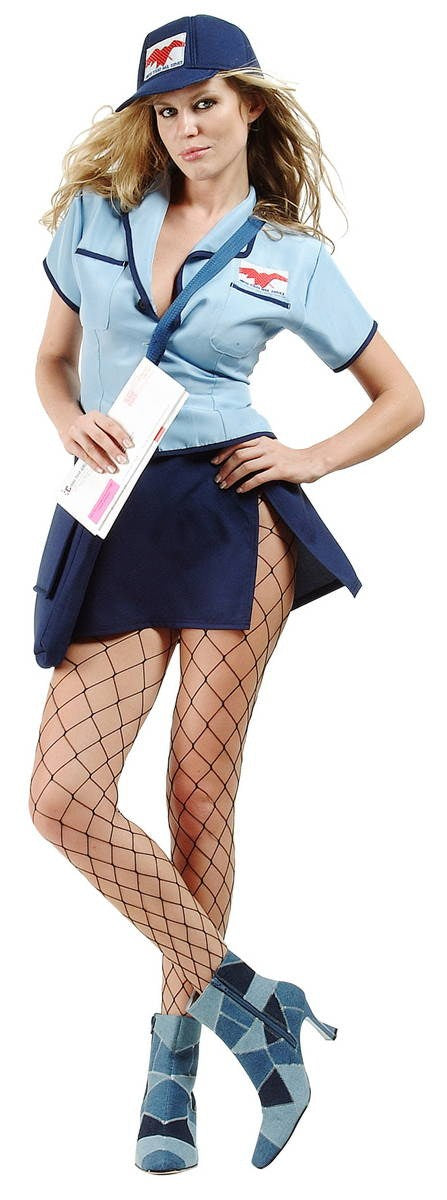
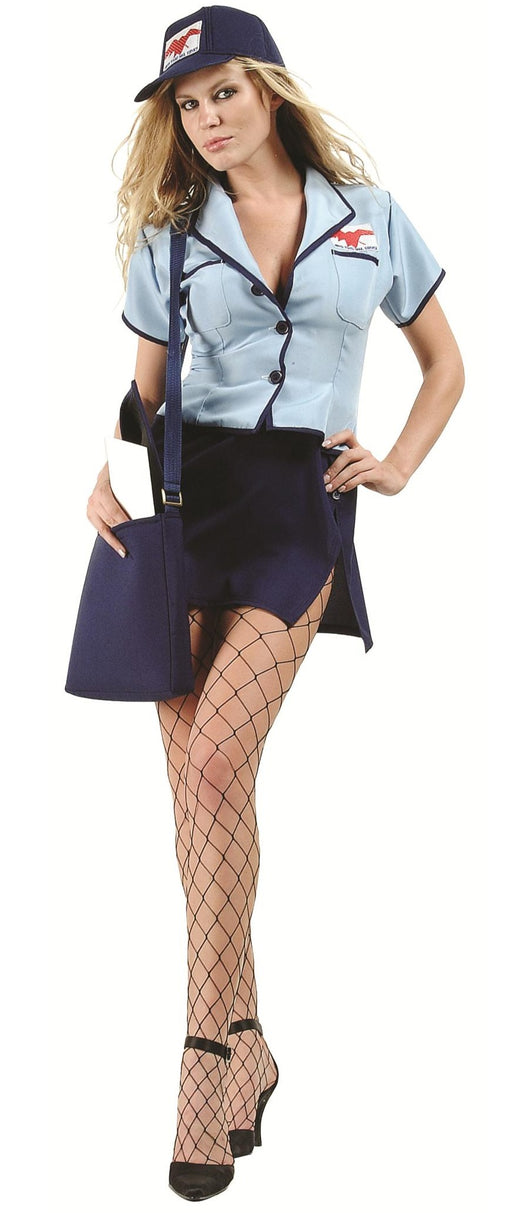
Sexy Post Office Girl | Costume-Shop.com
In stock
Attention all aspiring letter carriers and mail enthusiasts! Prepare to deliver a package of seductive style and naughty charm with our Sexy Post O...
View full details
Original price
$27.95
-
Original price
$27.95
Original price
$27.95
$27.95
-
$27.95
Current price
$27.95


Original price
$110.95
-
Original price
$110.95
Original price
$110.95
$110.95
-
$110.95
Current price
$110.95
Northern Warrior Costume | Costume-Shop.com
Low stock
Upgrade your costume game to legendary status with the Northern Warrior Costume! Designed for rugged adventurers and fearless warriors of the North...
View full details
Original price
$110.95
-
Original price
$110.95
Original price
$110.95
$110.95
-
$110.95
Current price
$110.95
Original price
$66.95
-
Original price
$66.95
Original price
$66.95
$66.95
-
$66.95
Current price
$66.95
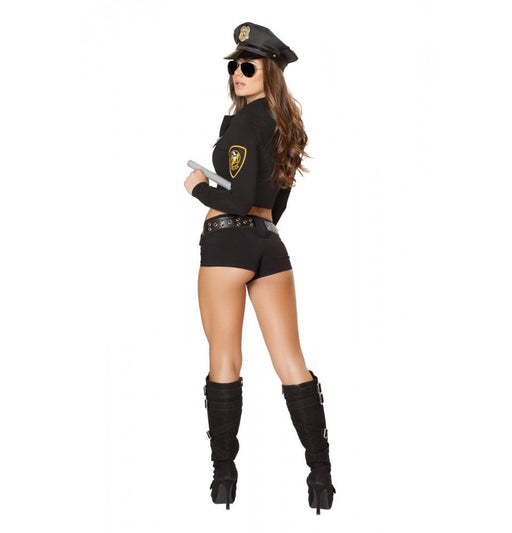
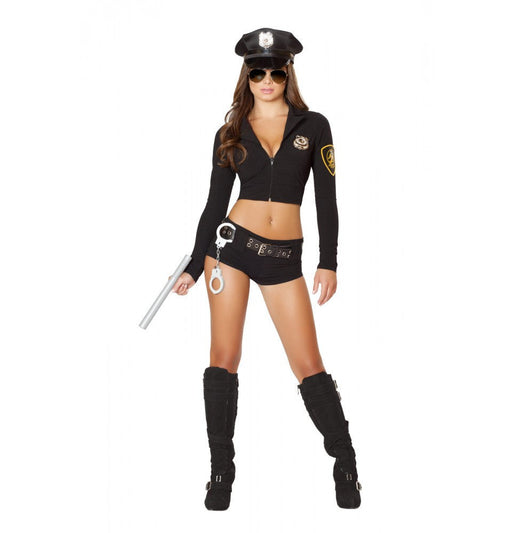
Sexy Police Officer Hottie | Costume-Shop.com
Low stock
🚓 Enforce Fun with a Dash of Flair! Step into the role of authority with the Sexy Police Officer Hottie Costume from www.Costume-shop.com. Designed...
View full details
Original price
$66.95
-
Original price
$66.95
Original price
$66.95
$66.95
-
$66.95
Current price
$66.95


Original price
$97.95
-
Original price
$97.95
Original price
$97.95
$97.95
-
$97.95
Current price
$97.95
Sexy Miss Claus Costume | Costume-Shop.com
Low stock
C170Sexy Miss Claus Costume Includes:Long Robe with Fur Trim Detail, Detachable Belt, & Shorts Material:Stretch Velvet Ships From:Los Angeles S...
View full details
Original price
$97.95
-
Original price
$97.95
Original price
$97.95
$97.95
-
$97.95
Current price
$97.95
Original price
$73.95
-
Original price
$73.95
Original price
$73.95
$73.95
-
$73.95
Current price
$73.95
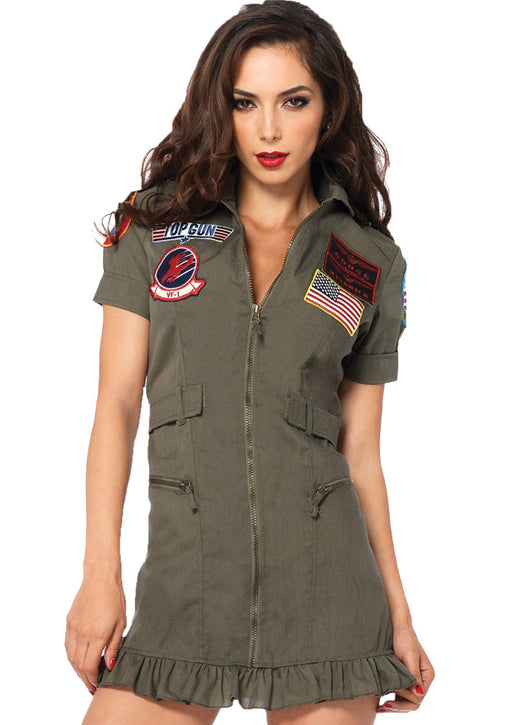
Top Gun Flight Dress | Costume-shop.com
In stock
✈️ Feel the Need for Speed! Elevate your costume game at your next party, Halloween event, or any gathering calling for a bit of high-flying action...
View full details
Original price
$73.95
-
Original price
$73.95
Original price
$73.95
$73.95
-
$73.95
Current price
$73.95
Leave a comment