

Exploring Offensive Costume Examples: Awareness and Education
Exploring Offensive Costume Examples: Awareness and EducationExploring Offensive Costume Examples: Awareness and Education


Introduction
Halloween is a time for fun, creativity, and self-expression through costumes. However, it's important to remember that not all costume ideas are appropriate or respectful. In recent years, there has been an increasing awareness of offensive costumes that perpetuate harmful stereotypes or mock marginalized communities.
In this blog post, we will explore various offensive costume examples to raise awareness and educate readers about the impact these costumes can have. It is crucial to understand that these examples are not meant to encourage or endorse such costumes but rather serve as a cautionary reminder of what not to wear.
Please note that this blog contains sensitive subject matter and may be triggering for some individuals. We aim to navigate this topic with empathy and respect while highlighting the importance of promoting inclusivity during Halloween festivities.
Cultural Appropriation
Cultural appropriation refers to the adoption or imitation of elements from another culture without understanding or respecting their cultural significance. Costumes that fall under this category can perpetuate harmful stereotypes and offend individuals from those cultures.
Examples:
Native American Headdress Costume: Wearing Native American headdresses as fashion accessories reduces their cultural significance and trivializes the sacred symbols of indigenous peoples.
Geisha Costume: Dressing up as a geisha can reinforce harmful stereotypes about Asian women and their culture, reducing it to exoticism and objectification.
Racist Stereotypes
Racist stereotypes perpetuate harmful biases and contribute to the marginalization of racial and ethnic groups. Costumes that rely on these stereotypes can be deeply offensive and dehumanizing.
Examples:
Blackface Costume: Blackface is a highly offensive practice that involves non-black individuals darkening their skin to imitate or mock black people. It reinforces racist caricatures and historical oppression.
Terrorist Costume: Depicting terrorists as part of a costume trivializes real-world atrocities, contributes to Islamophobia, and perpetuates harmful stereotypes about Muslims.
Gender Insensitivity
Gone are the days when gender was limited to traditional roles and stereotypes. Unfortunately, some costumes still perpetuate harmful gender norms or mock those who don't conform to societal expectations.
Examples:
Sexy Nurse Costume: Reducing healthcare professionals, particularly women, to sexualized stereotypes undermines their expertise and reinforces gender inequalities.
Cross-Dressing Costume: Dressing up as a different gender for comedy or shock value can trivialize transgender identities and perpetuate harmful stereotypes.
Mental Health Insensitivity
Mental health is a deeply personal and often stigmatized topic. Costumes that make light of mental illnesses or use them as props can be incredibly hurtful to individuals who may be struggling with their mental well-being.
Examples:
Psycho Patient Costume: Portraying individuals with mental illnesses as dangerous or deranged perpetuates harmful stereotypes and contributes to the stigma surrounding mental health.
Anorexic Skeleton Costume: Using anorexia as a theme for a costume trivializes a serious eating disorder and can be triggering for individuals who have struggled with body image and disordered eating.
Taking Action
As individuals, it is our responsibility to promote inclusivity and respect during Halloween celebrations. Here are some steps we can take to ensure that our costume choices are thoughtful and considerate:
- Educate yourself about different cultures, races, genders, and mental health issues to understand the potential harm caused by offensive costumes.
- Reflect on your own biases and privileges to avoid perpetuating harmful stereotypes.
- Consider alternative costume ideas that celebrate diversity rather than appropriating or mocking marginalized communities.
- If you witness someone wearing an offensive costume, engage in respectful conversation to raise awareness about its impact.
- Support brands and retailers that prioritize inclusivity by offering diverse costume options and avoiding offensive designs.
- Encourage your friends and family to join you in promoting awareness and education surrounding offensive costumes.
By taking these actions, we can contribute to a more inclusive Halloween experience for everyone involved. Let's make sure this holiday remains a time of celebration, creativity, and respect!
Featured collection
Original price
$27.95
-
Original price
$27.95
Original price
$27.95
$27.95
-
$27.95
Current price
$27.95
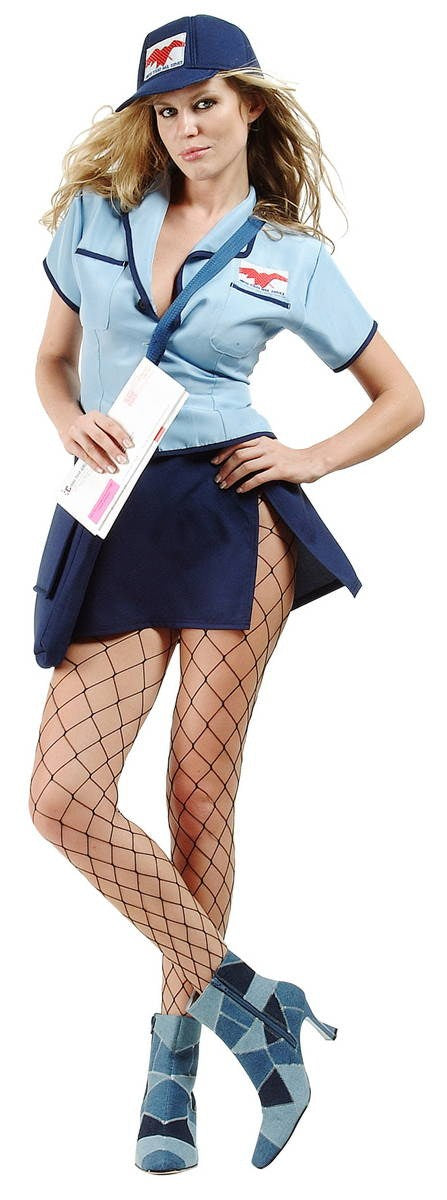
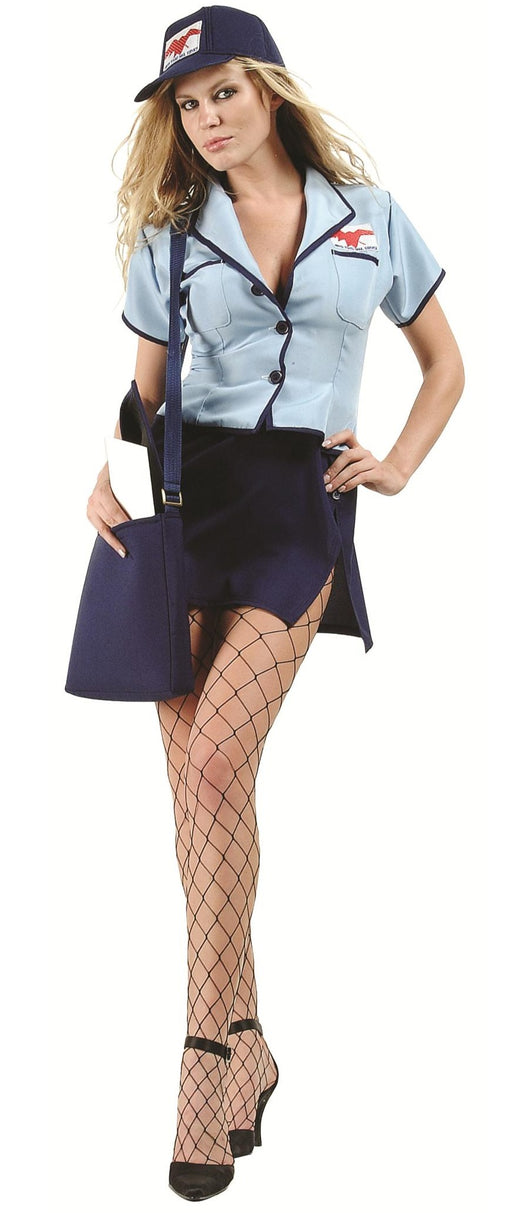
Sexy Post Office Girl | Costume-Shop.com
In stock
Attention all aspiring letter carriers and mail enthusiasts! Prepare to deliver a package of seductive style and naughty charm with our Sexy Post O...
View full details
Original price
$27.95
-
Original price
$27.95
Original price
$27.95
$27.95
-
$27.95
Current price
$27.95


Original price
$110.95
-
Original price
$110.95
Original price
$110.95
$110.95
-
$110.95
Current price
$110.95
Northern Warrior Costume | Costume-Shop.com
Low stock
Upgrade your costume game to legendary status with the Northern Warrior Costume! Designed for rugged adventurers and fearless warriors of the North...
View full details
Original price
$110.95
-
Original price
$110.95
Original price
$110.95
$110.95
-
$110.95
Current price
$110.95
Original price
$66.95
-
Original price
$66.95
Original price
$66.95
$66.95
-
$66.95
Current price
$66.95
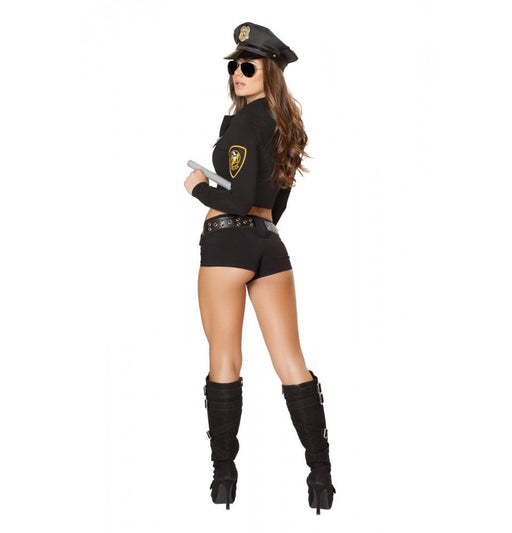
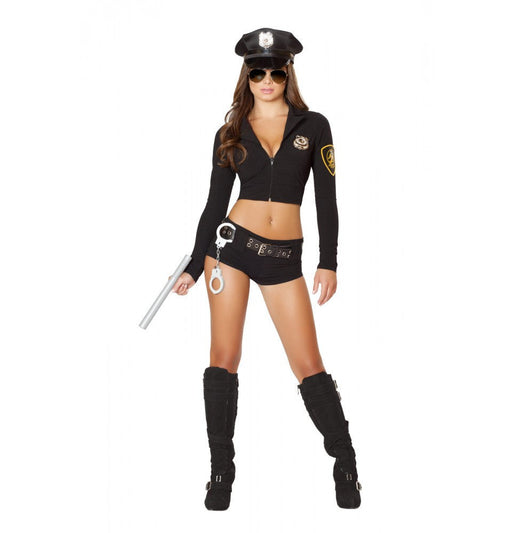
Sexy Police Officer Hottie | Costume-Shop.com
Low stock
🚓 Enforce Fun with a Dash of Flair! Step into the role of authority with the Sexy Police Officer Hottie Costume from www.Costume-shop.com. Designed...
View full details
Original price
$66.95
-
Original price
$66.95
Original price
$66.95
$66.95
-
$66.95
Current price
$66.95


Original price
$97.95
-
Original price
$97.95
Original price
$97.95
$97.95
-
$97.95
Current price
$97.95
Sexy Miss Claus Costume | Costume-Shop.com
Low stock
C170Sexy Miss Claus Costume Includes:Long Robe with Fur Trim Detail, Detachable Belt, & Shorts Material:Stretch Velvet Ships From:Los Angeles S...
View full details
Original price
$97.95
-
Original price
$97.95
Original price
$97.95
$97.95
-
$97.95
Current price
$97.95
Original price
$73.95
-
Original price
$73.95
Original price
$73.95
$73.95
-
$73.95
Current price
$73.95
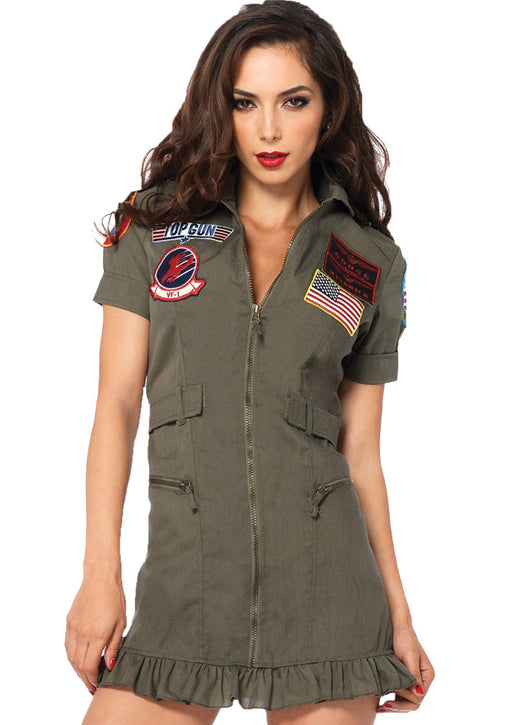
Top Gun Flight Dress | Costume-shop.com
In stock
✈️ Feel the Need for Speed! Elevate your costume game at your next party, Halloween event, or any gathering calling for a bit of high-flying action...
View full details
Original price
$73.95
-
Original price
$73.95
Original price
$73.95
$73.95
-
$73.95
Current price
$73.95
Leave a comment