

Ensuring Oral Safety: The Importance of Dental Hygiene
By E-commerce SEO Expert
The Significance of Oral Safety
Oral safety is a paramount aspect of overall health and wellbeing. Maintaining good dental hygiene practices not only helps keep your teeth and gums healthy but also contributes to your overall physical and mental well-being.
Poor oral hygiene can lead to various dental issues such as cavities, gum diseases, tooth decay, bad breath, and even tooth loss. Furthermore, recent studies have also shown associations between oral health and systemic conditions like diabetes, heart disease, respiratory disorders, and certain types of cancer.
To ensure oral safety and promote a healthy mouth, it is essential to follow proper dental care routines, regularly visit the dentist for check-ups and cleanings, and take necessary precautions while engaging in activities that pose potential risks to your oral health.
The Basics of Dental Hygiene
Maintaining good dental hygiene involves a combination of daily preventive care at home along with regular professional dental check-ups. Here are some basic practices that can help ensure oral safety:
- Brushing: Brush your teeth at least twice a day using a soft-bristled toothbrush and a fluoride toothpaste. Brushing helps remove plaque, prevent cavities, and keep your breath fresh.
- Flossing: Floss your teeth daily to clean the hard-to-reach areas between your teeth where food particles can get stuck and lead to plaque build-up.
- Mouthwash: Rinse with an antiseptic mouthwash after brushing and flossing to kill bacteria that cause bad breath and gum diseases.
- Healthy Diet: Eat a balanced diet rich in fruits, vegetables, whole grains, lean proteins, and dairy products. Avoid sugary snacks and beverages that can contribute to tooth decay.
- Avoid Tobacco Products: Smoking or chewing tobacco can lead to oral cancer, gum diseases, stained teeth, bad breath, and other oral health issues. It is best to quit these habits for optimal oral safety.
In addition to these daily practices, it is important to visit your dentist regularly for professional cleanings and check-ups. Your dentist will be able to identify any underlying dental problems early on and provide the necessary treatment or recommendations for maintaining oral safety.
Dental hygiene also extends beyond just caring for your natural teeth. If you have dental restorations such as fillings, crowns, bridges, or dentures, it is vital to take proper care of them as well. Follow the specific instructions provided by your dentist or prosthodontist for cleaning and maintaining these restorations to ensure their longevity and oral safety.
Risk Factors Affecting Oral Safety
While following good dental hygiene practices is crucial for oral safety, it is also important to be aware of certain risk factors that can affect your oral health. Some of these include:
- Poor Oral Hygiene: Neglecting regular brushing, flossing, and professional dental care significantly increases the risk of cavities, gum diseases, and other oral health problems.
- Poor Nutrition: A diet lacking in essential nutrients can weaken your immune system, making it harder for your body to fight off infections and maintain optimal oral health.
- Tobacco Use: As mentioned earlier, smoking or chewing tobacco greatly increases the risk of developing various oral health problems including gum diseases, stained teeth, and oral cancer.
- Alcohol Consumption: Excessive alcohol consumption can lead to dry mouth (reduced saliva production), which increases the risk of tooth decay and gum diseases.
- Poorly Fitted Dental Restorations: Ill-fitting crowns or bridges can trap bacteria and plaque around the restoration site, leading to decay or gum inflammation.
Awareness of these risk factors allows you to make informed decisions about your lifestyle choices and take necessary precautions to ensure optimal oral safety.
Maintaining Oral Safety During Physical Activities
Engaging in physical activities such as sports or recreational activities poses potential risks to your oral safety. Accidents during these activities can result in dental injuries including broken teeth, knocked-out teeth, or injuries to the soft tissues in the mouth.
To protect your teeth and gums during physical activities, it is advisable to:
- Wear a Mouthguard: Using a properly fitted mouthguard can significantly reduce the risk of dental injuries. Mouthguards are available in different types, including custom-made mouthguards that offer the best fit and protection.
- Avoid Chewing on Hard Objects: Biting down on hard objects like pen caps, ice cubes, or popcorn kernels can lead to chipped or fractured teeth. Be mindful of what you put in your mouth.
- Stay Hydrated: Drinking plenty of water helps maintain saliva flow and prevents dry mouth, which can increase the risk of tooth decay.
- Know Basic First Aid for Dental Injuries: Being aware of how to handle dental emergencies, such as a knocked-out tooth or a broken tooth, can make a difference in preserving oral safety until you can reach professional help.
Remember that prevention is always better than cure when it comes to oral safety. By taking necessary precautions and following good dental hygiene practices, you can minimize the risk of dental injuries and maintain optimal oral health.
The Role of Professional Dental Care
In addition to personal efforts towards maintaining oral safety through proper dental hygiene practices, professional dental care plays a crucial role in preserving your oral health. Regular dental visits allow your dentist to monitor your overall oral health, identify any potential issues early on, and provide appropriate treatments or recommendations.
During a dental check-up, your dentist will perform a thorough examination of your teeth, gums, and oral tissues. They may take X-rays to identify any hidden cavities or issues below the gum line. Professional dental cleanings also help remove plaque and tartar build-up that cannot be effectively eliminated through routine brushing and flossing.
Furthermore, if you have specific concerns or need additional treatments such as dental fillings, root canal therapy, orthodontic treatments, or cosmetic procedures like teeth whitening, your dentist will guide you accordingly and ensure that you receive the necessary care for maintaining optimal oral safety.
In Conclusion
Oral safety is essential for overall health and well-being. By following good dental hygiene practices, visiting your dentist regularly, and taking necessary precautions during physical activities, you can maintain a healthy mouth and reduce the risk of dental issues. Remember that prevention is key when it comes to oral health, so prioritize your oral safety to enjoy a confident smile and improved quality of life.
Featured collection

Original price
$27.95
-
Original price
$27.95
Original price
$27.95
$27.95
-
$27.95
Current price
$27.95
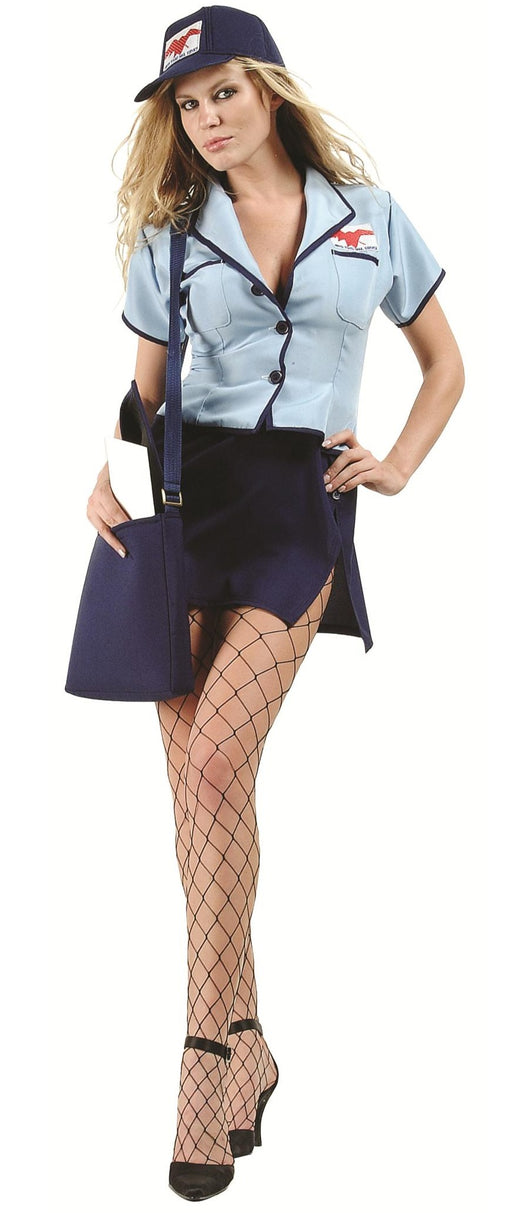
Sexy Post Office Girl | Costume-Shop.com
In stock
Attention all aspiring letter carriers and mail enthusiasts! Prepare to deliver a package of seductive style and naughty charm with our Sexy Post O...
View full details
Original price
$27.95
-
Original price
$27.95
Original price
$27.95
$27.95
-
$27.95
Current price
$27.95


Original price
$110.95
-
Original price
$110.95
Original price
$110.95
$110.95
-
$110.95
Current price
$110.95
Northern Warrior Costume | Costume-Shop.com
Low stock
Upgrade your costume game to legendary status with the Northern Warrior Costume! Designed for rugged adventurers and fearless warriors of the North...
View full details
Original price
$110.95
-
Original price
$110.95
Original price
$110.95
$110.95
-
$110.95
Current price
$110.95


Original price
$66.95
-
Original price
$66.95
Original price
$66.95
$66.95
-
$66.95
Current price
$66.95
Sexy Police Officer Hottie | Costume-Shop.com
Low stock
🚓 Enforce Fun with a Dash of Flair! Step into the role of authority with the Sexy Police Officer Hottie Costume from www.Costume-shop.com. Designed...
View full details
Original price
$66.95
-
Original price
$66.95
Original price
$66.95
$66.95
-
$66.95
Current price
$66.95


Original price
$97.95
-
Original price
$97.95
Original price
$97.95
$97.95
-
$97.95
Current price
$97.95
Sexy Miss Claus Costume | Costume-Shop.com
Low stock
C170Sexy Miss Claus Costume Includes:Long Robe with Fur Trim Detail, Detachable Belt, & Shorts Material:Stretch Velvet Ships From:Los Angeles S...
View full details
Original price
$97.95
-
Original price
$97.95
Original price
$97.95
$97.95
-
$97.95
Current price
$97.95

Original price
$73.95
-
Original price
$73.95
Original price
$73.95
$73.95
-
$73.95
Current price
$73.95
Top Gun Flight Dress | Costume-shop.com
In stock
✈️ Feel the Need for Speed! Elevate your costume game at your next party, Halloween event, or any gathering calling for a bit of high-flying action...
View full details
Original price
$73.95
-
Original price
$73.95
Original price
$73.95
$73.95
-
$73.95
Current price
$73.95
Leave a comment