

Creating Realistic Fake Blood: Tips and Tricks
Creating Realistic Fake Blood: Tips and Tricks
Creating Realistic Fake Blood: Tips and Tricks

Creating Realistic Fake Blood: Tips and Tricks
Whether you're a filmmaker, theater artist, or simply looking to add some spooky fun to your Halloween costume, knowing how to make fake blood look fresh can take your special effects game to the next level. The key is in understanding how real blood looks and behaves in different situations and replicating those characteristics.
While there are numerous recipes available online for creating fake blood, not all of them achieve that fresh, realistic look. In this blog post, we'll explore some expert tips and tricks to help you make fake blood that looks incredibly lifelike. Let's get started!
The Importance of Realism
When it comes to special effects, realism is crucial for creating an immersive experience. Fake blood that looks fresh and realistic can significantly enhance the impact of a scene or costume by adding authenticity and believability. Whether you need blood splatters, wounds, or gory makeup effects, realistic-looking fake blood is essential.
Understanding the Look of Fresh Blood
To create convincing fake blood that looks fresh, it's important to understand how real blood appears under different circumstances. Fresh blood typically has a vibrant red color with a glossy sheen. It tends to be thin and runny, as it hasn't had time to coagulate or dry. The consistency may vary depending on the part of the body from which it originates.
Tips for Creating Realistic Fake Blood
Here are some expert tips and tricks to help you achieve the desired fresh look in your fake blood:
1. Start with Basic Ingredients
The base ingredients for most fake blood recipes include corn syrup, red food coloring, cocoa powder or coffee grounds (for texture), and water. By starting with these basic ingredients, you can tailor the recipe according to your specific needs.
2. Experiment with Colorants
While red food coloring is commonly used as a colorant for fake blood, mixing in small amounts of other colors can add depth and realism. For example, incorporating a tiny amount of blue food coloring can simulate oxygen-depleted blood.
3. Add Thickeners for Consistency
To replicate the thickness and viscosity of real blood, consider adding thickening agents like cornstarch or flour to your recipe. Keep in mind that adding too much thickener can make the blood look unnatural, so it's best to add small amounts gradually until you achieve the desired consistency.
4. Enhance Glossiness
To create a glossy sheen characteristic of fresh blood, try adding a few drops of clear liquid dish soap to your mixture. This will give your fake blood a more realistic wet and shiny appearance.
5. Experiment with Texturizers
Depending on the effect you want to achieve, you can experiment with different texturizing agents to mimic the coagulation or clotting of real blood. For example, adding gelatin or corn syrup can create a thicker, clotted blood effect, while coffee grounds or cocoa powder can simulate scabbing or dried blood.
6. Consider Using Edible Ingredients
If there is a chance that the fake blood may come into contact with someone's mouth or skin, it's important to prioritize safety. Opting for edible ingredients like food-grade coloring and flavored syrups can ensure that your fake blood is safe in case of accidental ingestion.
Taking It Up a Notch: Application Techniques
Making realistic-looking fake blood is only half the battle; applying it properly is equally important to achieve an authentic result:
1. Test Before Applying
Before applying the fake blood directly on your skin or costume, always do a patch test on a small inconspicuous area to check for any adverse reactions or staining issues.
2. Use Applicators
The method of application plays a significant role in achieving realism. Consider using specialized applicators like brushes, sponges, or even spray bottles to create different effects such as dripping blood, splatters, or smears.
3. Layering and Blending
To create depth and a more realistic appearance, try layering the fake blood by applying it in multiple thin coats. Additionally, blending different shades of blood or adding complementary colors can add dimension to wounds and enhance the overall effect.
4. Combine with Other Makeup Effects
For an even more impressive result, consider incorporating other makeup effects like prosthetics or fake wounds into your design. By combining these elements with realistic-looking fake blood, you can create truly breathtaking special effects!
Conclusion
Making fake blood look fresh and realistic is all about understanding the characteristics of real blood and replicating them effectively. By experimenting with ingredients, colorants, thickeners, gloss enhancers, and texturizers, you can create custom recipes that suit your specific needs.
Remember to prioritize safety by opting for edible ingredients when necessary and always test the fake blood before applying it extensively. With proper application techniques and attention to detail, you'll be able to achieve professional-looking results that will leave your audience amazed!
Featured collection
Original price
$27.95
-
Original price
$27.95
Original price
$27.95
$27.95
-
$27.95
Current price
$27.95
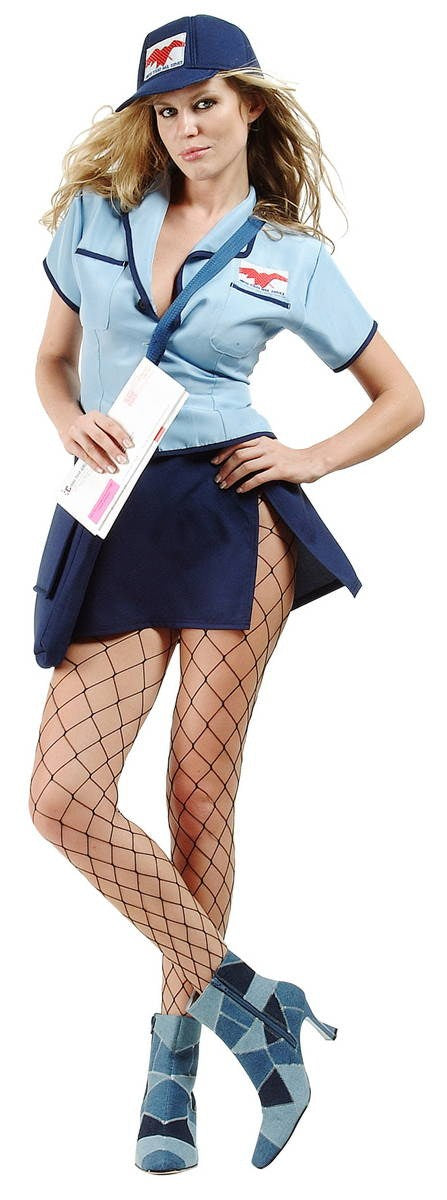
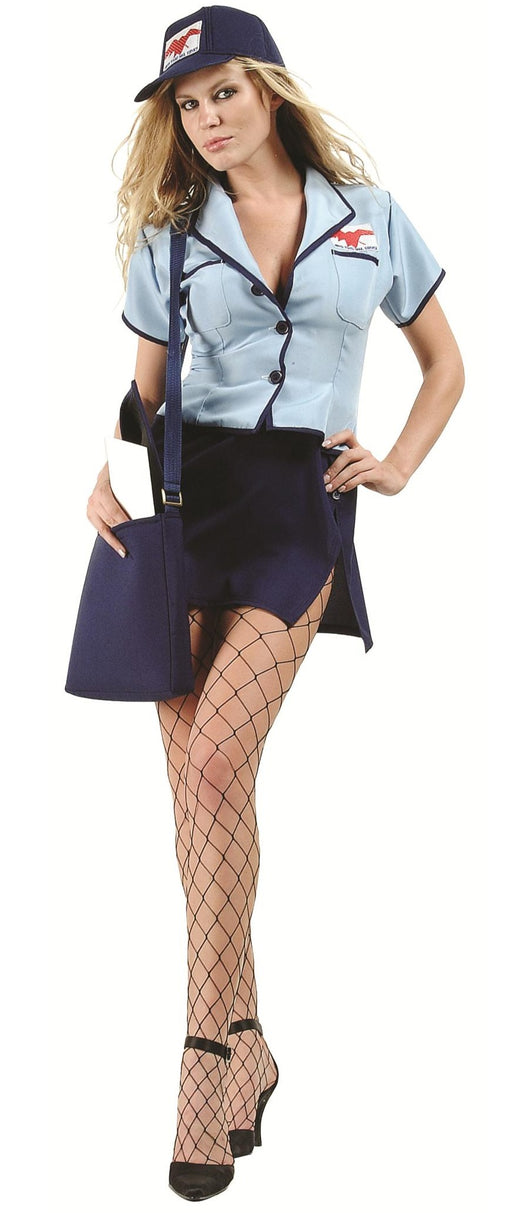
Sexy Post Office Girl | Costume-Shop.com
In stock
Attention all aspiring letter carriers and mail enthusiasts! Prepare to deliver a package of seductive style and naughty charm with our Sexy Post O...
View full details
Original price
$27.95
-
Original price
$27.95
Original price
$27.95
$27.95
-
$27.95
Current price
$27.95


Original price
$110.95
-
Original price
$110.95
Original price
$110.95
$110.95
-
$110.95
Current price
$110.95
Northern Warrior Costume | Costume-Shop.com
Low stock
Upgrade your costume game to legendary status with the Northern Warrior Costume! Designed for rugged adventurers and fearless warriors of the North...
View full details
Original price
$110.95
-
Original price
$110.95
Original price
$110.95
$110.95
-
$110.95
Current price
$110.95
Original price
$66.95
-
Original price
$66.95
Original price
$66.95
$66.95
-
$66.95
Current price
$66.95
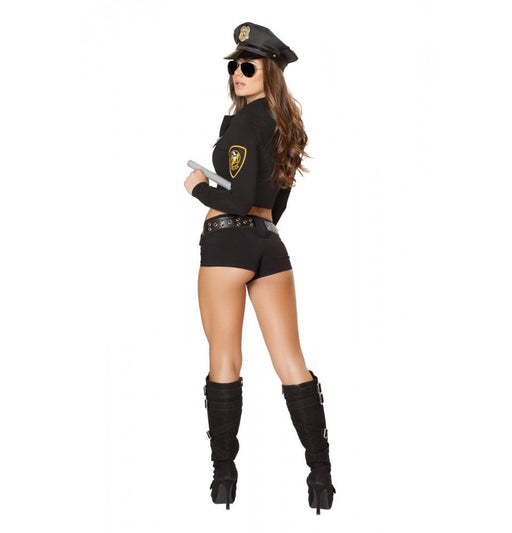
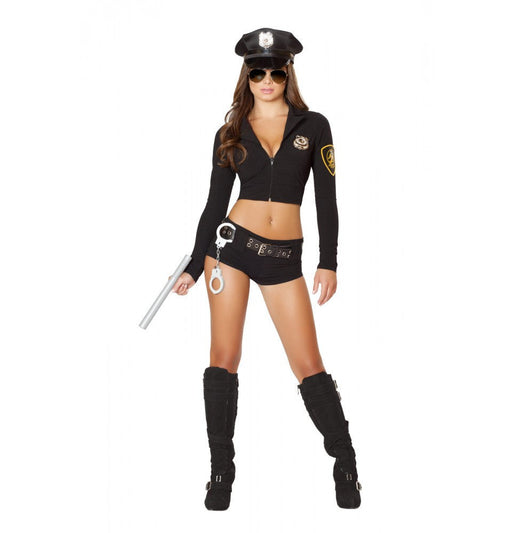
Sexy Police Officer Hottie | Costume-Shop.com
Low stock
🚓 Enforce Fun with a Dash of Flair! Step into the role of authority with the Sexy Police Officer Hottie Costume from www.Costume-shop.com. Designed...
View full details
Original price
$66.95
-
Original price
$66.95
Original price
$66.95
$66.95
-
$66.95
Current price
$66.95


Original price
$97.95
-
Original price
$97.95
Original price
$97.95
$97.95
-
$97.95
Current price
$97.95
Sexy Miss Claus Costume | Costume-Shop.com
Low stock
C170Sexy Miss Claus Costume Includes:Long Robe with Fur Trim Detail, Detachable Belt, & Shorts Material:Stretch Velvet Ships From:Los Angeles S...
View full details
Original price
$97.95
-
Original price
$97.95
Original price
$97.95
$97.95
-
$97.95
Current price
$97.95
Original price
$73.95
-
Original price
$73.95
Original price
$73.95
$73.95
-
$73.95
Current price
$73.95
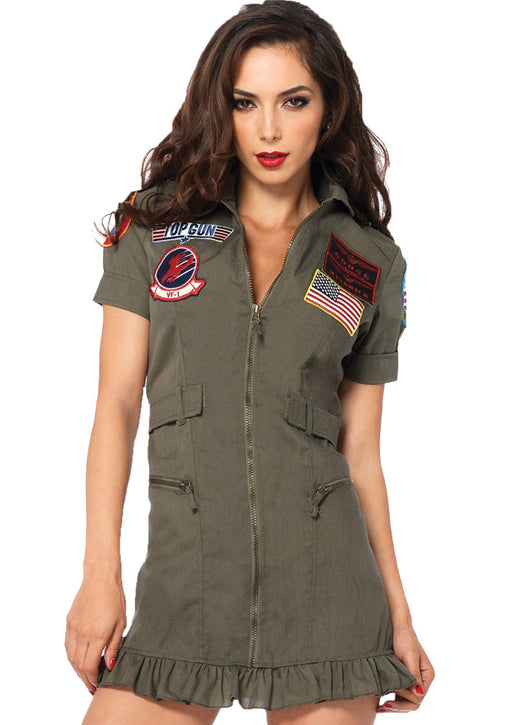
Top Gun Flight Dress | Costume-shop.com
In stock
✈️ Feel the Need for Speed! Elevate your costume game at your next party, Halloween event, or any gathering calling for a bit of high-flying action...
View full details
Original price
$73.95
-
Original price
$73.95
Original price
$73.95
$73.95
-
$73.95
Current price
$73.95
Leave a comment