

Creating Realistic Animal Costumes for Children

Children love to dress up and pretend to be their favorite animals. Whether it's a roaring lion, a slithering snake, or a graceful butterfly, imagination knows no bounds when it comes to playing make-believe. As parents, we can foster that creativity by creating realistic animal costumes for our little ones.
In this article, we will explore some tips and tricks for designing and making animal costumes that are not only visually appealing but also safe and comfortable for children to wear.
Choosing the Right Animal

The first step in creating a realistic animal costume is choosing the right animal. Ask your child about their favorite animal or let them browse through books or websites dedicated to wildlife. Consider their interests and personality when making the selection. Whether they prefer a fierce predator like a lion or a gentle creature like a rabbit, the choice should reflect their individuality.
Researching the Animal

Once you have selected an animal, it's time to do some research. Look up images and videos of the animal to understand its physical attributes and characteristics. Learn about its colors, patterns, and unique features. This will help you create a costume that accurately represents the chosen animal.
If possible, visit a local zoo or wildlife sanctuary with your child to observe the animals up close. Not only will this deepen their understanding of the creature they want to emulate but it will also make the experience more memorable.
Gathering Materials

Next, gather all the necessary materials for making the costume. Depending on your child's preference and your budget, you can choose from various options:
- Faux fur: If you're going for a furry animal like a bear or a wolf, faux fur is an excellent choice. It gives the costume a realistic look without harming any animals in the process.
- Felt: Felt is versatile and comes in various colors. It can be used to create different animal parts such as ears, tails, and wings.
- Foam sheets: Foam sheets are lightweight and easy to work with. They can be used to make masks and other accessories.
- Elastic bands: Elastic bands are essential for securing different parts of the costume on your child's body without causing discomfort.
- Scissors, glue gun, needle, and thread: These basic craft supplies will come in handy throughout the costume-making process.
Designing the Costume

Before diving into the construction process, it's a good idea to sketch out your ideas on paper. This will help you visualize the final product and make necessary adjustments before cutting any fabric or materials.
Start by designing the body of the costume. Measure your child and create a pattern that fits them comfortably. Remember to leave enough room for movement, especially if your child wants to crawl or walk around while wearing the costume.
If your child's chosen animal has distinctive features like wings or a tail, design those separately. Attach them securely to the main body using elastic bands or by sewing them on.
Constructing the Costume

Now comes the fun part - constructing the costume! Begin by cutting out all the fabric pieces according to your design. Use pins to hold them together temporarily before sewing or gluing them permanently.
If you're using faux fur, remember to cut from the backside so that stray hairs don't show on the finished product. Sewing can be time-consuming, so a hot glue gun may be a quicker option for attaching certain parts of the costume.
Be sure to pay attention to safety while constructing the costume. Avoid using small buttons or beads that could pose a choking hazard for young children. Opt for large buttons or Velcro closures instead.
Add Details and Accessories

To make the costume even more realistic, add some details and accessories. Use paint or fabric markers to draw patterns on the fabric that mimic the animal's fur or skin. Attach ribbons, feathers, or other decorative elements to enhance the overall look.
Consider adding a matching mask or headpiece to complete the transformation. This will not only make your child look more like their chosen animal but also provide an extra layer of fun and excitement.
Trying on the Costume

Once the costume is complete, it's time for your child to try it on! Make any necessary adjustments to ensure a comfortable fit. Check that your child can move freely and see clearly while wearing the costume.
Encourage your child to embrace their inner animal and let their imagination run wild. Take pictures or videos of them in their new costume and capture those precious moments of joy and creativity.
Celebrating with the Costume

A completed animal costume is not just for playtime at home; it can be used for various celebrations and events as well. Encourage your child to wear their costume during Halloween, school parties, or themed birthdays.
Let them showcase their unique creation with pride and enjoy the admiration they receive from others. This will boost their confidence and further nurture their love for animals and imaginative play.
Maintaining the Costume

To ensure that your child's animal costume lasts for years to come, proper maintenance is essential. Follow these tips:
- Spot clean the costume after each use to remove any dirt or stains.
- Store the costume in a cool, dry place to prevent moisture and mold growth.
- If necessary, hand wash the costume using mild detergent and let it air dry. Avoid machine washing, as it can damage delicate fabrics or decorations.
- Mend any tears or loose seams promptly to prevent further damage.
By taking good care of the costume, you can ensure that your child can continue enjoying their imaginative play for years to come.
Conclusion

Creating realistic animal costumes for children is a wonderful way to encourage their imagination and foster their love for animals. By choosing the right animal, researching its characteristics, gathering the appropriate materials, designing and constructing the costume with care, adding details and accessories, trying it on for comfort and adjustments, celebrating special occasions with it, and maintaining it properly - you're providing your child with a memorable experience they will cherish forever.
So go ahead and embark on this creative journey with your little one. Let their inner animal shine through as they roar like lions, hop like rabbits, or flutter like butterflies!
Featured collection
Original price
$27.95
-
Original price
$27.95
Original price
$27.95
$27.95
-
$27.95
Current price
$27.95
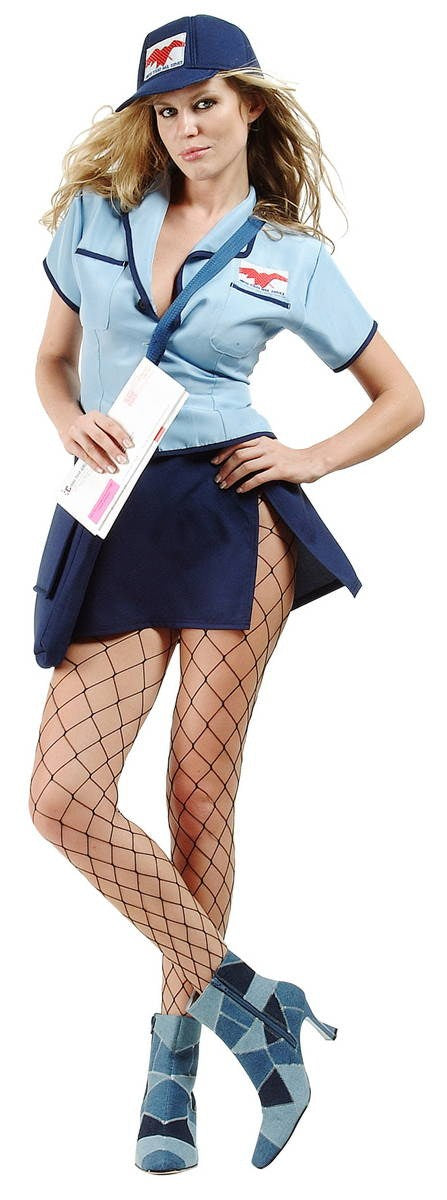
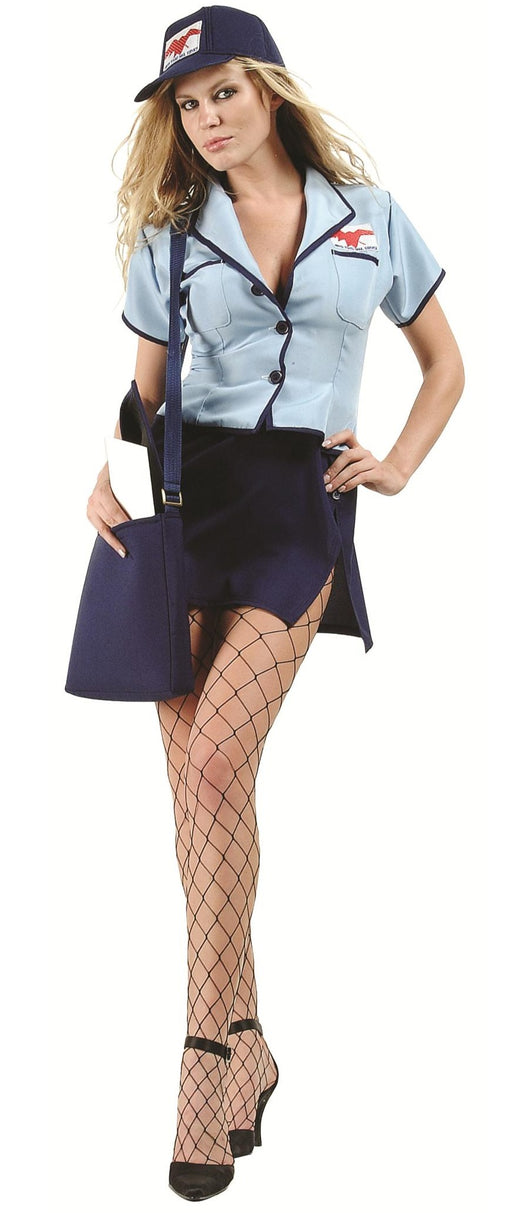
Sexy Post Office Girl | Costume-Shop.com
In stock
Attention all aspiring letter carriers and mail enthusiasts! Prepare to deliver a package of seductive style and naughty charm with our Sexy Post O...
View full details
Original price
$27.95
-
Original price
$27.95
Original price
$27.95
$27.95
-
$27.95
Current price
$27.95


Original price
$110.95
-
Original price
$110.95
Original price
$110.95
$110.95
-
$110.95
Current price
$110.95
Northern Warrior Costume | Costume-Shop.com
Low stock
Upgrade your costume game to legendary status with the Northern Warrior Costume! Designed for rugged adventurers and fearless warriors of the North...
View full details
Original price
$110.95
-
Original price
$110.95
Original price
$110.95
$110.95
-
$110.95
Current price
$110.95
Original price
$66.95
-
Original price
$66.95
Original price
$66.95
$66.95
-
$66.95
Current price
$66.95
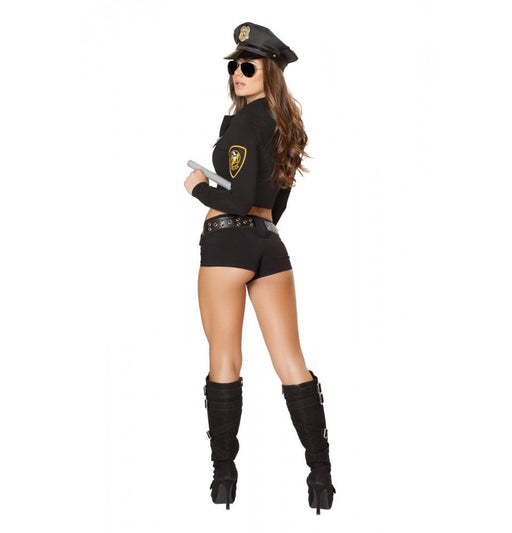
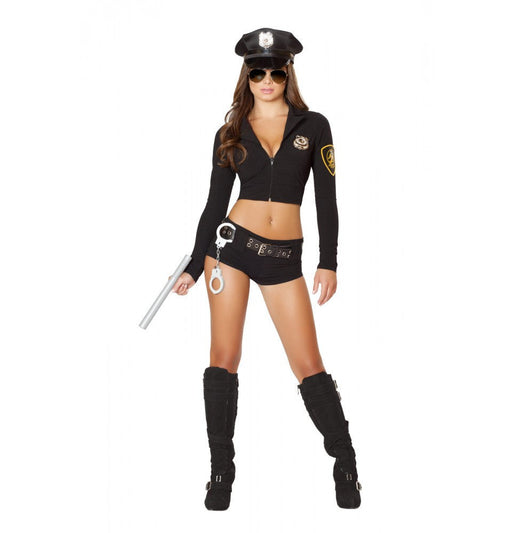
Sexy Police Officer Hottie | Costume-Shop.com
Low stock
🚓 Enforce Fun with a Dash of Flair! Step into the role of authority with the Sexy Police Officer Hottie Costume from www.Costume-shop.com. Designed...
View full details
Original price
$66.95
-
Original price
$66.95
Original price
$66.95
$66.95
-
$66.95
Current price
$66.95


Original price
$97.95
-
Original price
$97.95
Original price
$97.95
$97.95
-
$97.95
Current price
$97.95
Sexy Miss Claus Costume | Costume-Shop.com
Low stock
C170Sexy Miss Claus Costume Includes:Long Robe with Fur Trim Detail, Detachable Belt, & Shorts Material:Stretch Velvet Ships From:Los Angeles S...
View full details
Original price
$97.95
-
Original price
$97.95
Original price
$97.95
$97.95
-
$97.95
Current price
$97.95
Original price
$73.95
-
Original price
$73.95
Original price
$73.95
$73.95
-
$73.95
Current price
$73.95
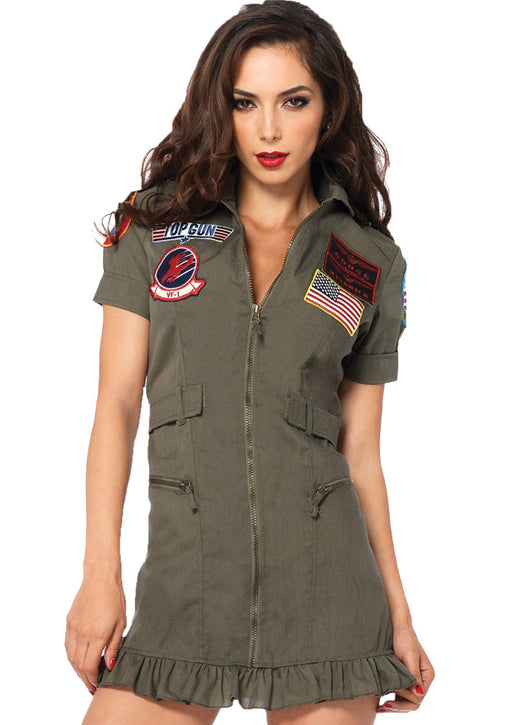
Top Gun Flight Dress | Costume-shop.com
In stock
✈️ Feel the Need for Speed! Elevate your costume game at your next party, Halloween event, or any gathering calling for a bit of high-flying action...
View full details
Original price
$73.95
-
Original price
$73.95
Original price
$73.95
$73.95
-
$73.95
Current price
$73.95
Leave a comment