

Creating Authentic Renaissance Costumes
Renaissance festivals are popular events that transport attendees back in time to experience the grandeur and elegance of the Renaissance era. One of the highlights of these festivals is seeing people dressed in elaborate costumes representing various characters from that period. If you're planning to attend a Renaissance festival or simply want to create an authentic Renaissance costume for a special occasion, here are some tips to help you bring history to life.
Research the Period
The first step in creating an authentic Renaissance costume is to do thorough research on the period you're interested in. The Renaissance spanned from the 14th to the 17th century, so there's a wide range of styles and influences to consider. Look into paintings, portraits, and historical texts from that time to get an idea of what people wore, how they accessorized, and what fabrics were popular.
Pay attention to details such as necklines, sleeve styles, and overall silhouettes. This research will be crucial in helping you design a costume that accurately reflects the fashion trends of the period.
Select Suitable Fabrics
The choice of fabric plays a vital role in creating an authentic look. During the Renaissance era, natural fibers like silk, wool, linen, and velvet were commonly used. These materials not only offer authenticity but also provide comfort when wearing your costume for extended periods at festivals or events.
If possible, try to source fabrics with rich colors and intricate patterns reminiscent of Renaissance textiles. Consider visiting local fabric stores or searching online for suppliers specializing in historical fabrics. By using appropriate materials, you'll add another layer of authenticity to your costume.
Follow Historical Patterns
Once you have your fabric, it's time to select a pattern that matches the style of the period. Fortunately, there are many resources available that offer historical costume patterns specific to the Renaissance era. These patterns are based on authentic garments and can be customized to fit your measurements.
If you're skilled in sewing, you can try making your own patterns by studying historical sources and scaling them down to your size. However, if you're new to sewing or prefer a more straightforward approach, commercial patterns are a reliable option. Just make sure to choose a pattern that reflects the specific time period and region you're interested in.
Focus on Details and Accessories
To truly capture the essence of the Renaissance era, pay attention to the details of your costume. From lace trims and decorative buttons to embroidery and beading, these intricate touches can elevate your costume and make it stand out.
Accessories also play a crucial role in completing an authentic Renaissance look. Consider adding elements like hats, veils, belts, stockings, gloves, or jewelry to enhance your ensemble. Again, refer back to historical sources for inspiration when choosing accessories that complement your costume.
Customize for Accuracy
An important aspect of creating an authentic Renaissance costume is taking regional variations into account. Fashion differed across various countries and even within different social classes during this period.
For example, Italian Renaissance fashion was known for its elaborate fabrics and intricate embellishments, while English Tudor fashion focused more on structured silhouettes with emphasis on corsets and ruffs. By researching specific regions or cultural groups within the Renaissance era, you can tailor your costume accordingly for added accuracy.
Hair and Makeup
To complete your Renaissance look, don't forget about hairstyles and makeup. Women during this era often wore their hair up in intricate braids, twists, or buns. Adding decorative elements like ribbons, flowers, or jeweled hairpins can further enhance your hairstyle.
For makeup, opt for a natural and soft look. Renaissance beauty ideals emphasized pale skin, rosy cheeks, and subtle eye makeup. Avoid heavy contouring or modern makeup trends that don't align with the historical period.
Authentic Renaissance Footwear
No Renaissance costume is complete without appropriate footwear. During this era, shoes were typically made of leather and featured unique designs such as slashed fronts or exaggerated pointed toes.
If possible, invest in a pair of Renaissance-style shoes to match your costume. There are specialty stores that offer historically accurate shoes designed specifically for Renaissance fairs and events.
Have Fun and Embrace the Era
Creating an authentic Renaissance costume is not only about accuracy but also about embracing the spirit of the era. Allow yourself to get immersed in the history and culture of the time as you design and wear your costume.
Renaissance festivals provide a fantastic opportunity to interact with others who share your passion for history. Attend workshops on historical dance or etiquette to further enhance your experience and enjoy being part of a community that appreciates the beauty and authenticity of Renaissance costumes.
In Conclusion
Creating an authentic Renaissance costume requires research, attention to detail, and a love for history. By selecting suitable fabrics, following historical patterns, focusing on details and accessories, customizing for accuracy, paying attention to hair and makeup, investing in authentic footwear, and embracing the spirit of the era, you can bring history to life through your costume.
Remember that creating an authentic costume takes time and effort but is ultimately a rewarding experience. So, go forth and let your Renaissance costume transport you to another time and place!
Featured collection
Original price
$27.95
-
Original price
$27.95
Original price
$27.95
$27.95
-
$27.95
Current price
$27.95
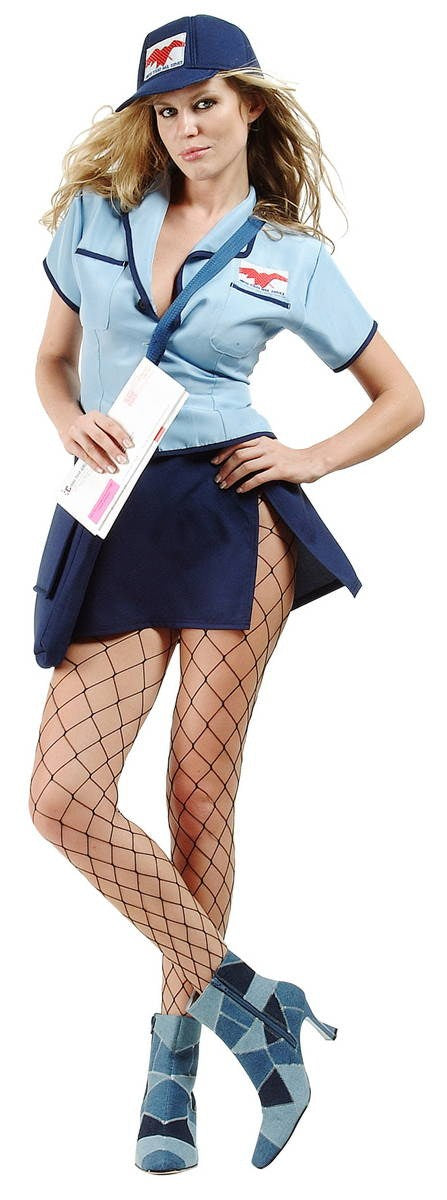
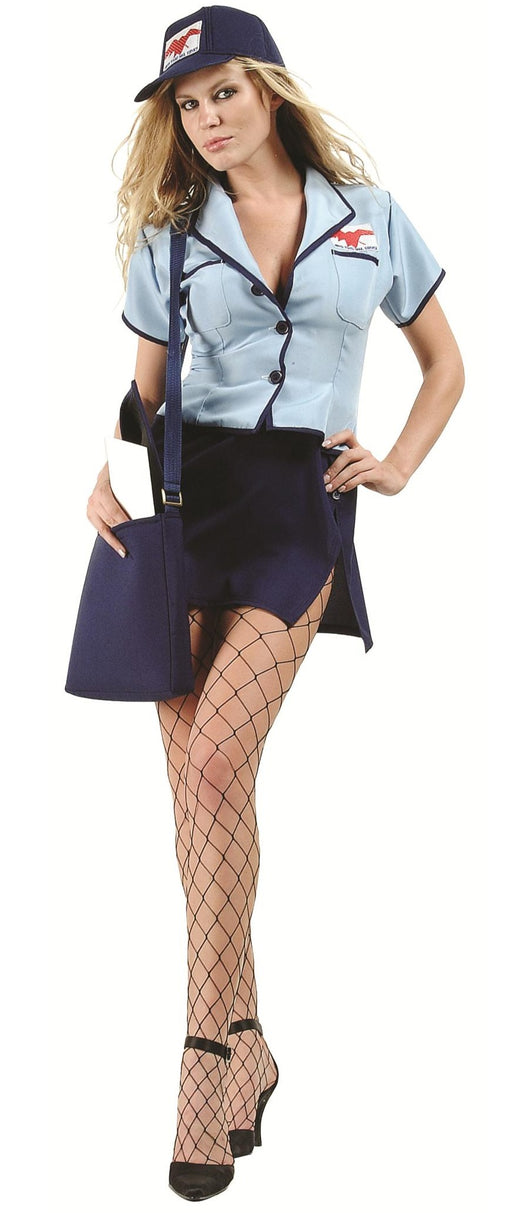
Sexy Post Office Girl | Costume-Shop.com
In stock
Attention all aspiring letter carriers and mail enthusiasts! Prepare to deliver a package of seductive style and naughty charm with our Sexy Post O...
View full details
Original price
$27.95
-
Original price
$27.95
Original price
$27.95
$27.95
-
$27.95
Current price
$27.95


Original price
$110.95
-
Original price
$110.95
Original price
$110.95
$110.95
-
$110.95
Current price
$110.95
Northern Warrior Costume | Costume-Shop.com
Low stock
Upgrade your costume game to legendary status with the Northern Warrior Costume! Designed for rugged adventurers and fearless warriors of the North...
View full details
Original price
$110.95
-
Original price
$110.95
Original price
$110.95
$110.95
-
$110.95
Current price
$110.95
Original price
$66.95
-
Original price
$66.95
Original price
$66.95
$66.95
-
$66.95
Current price
$66.95
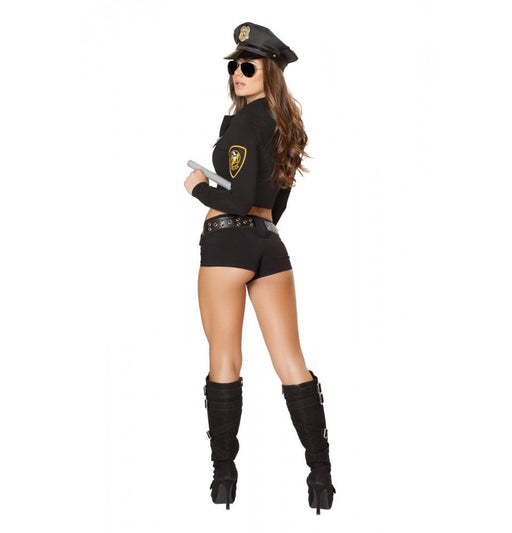
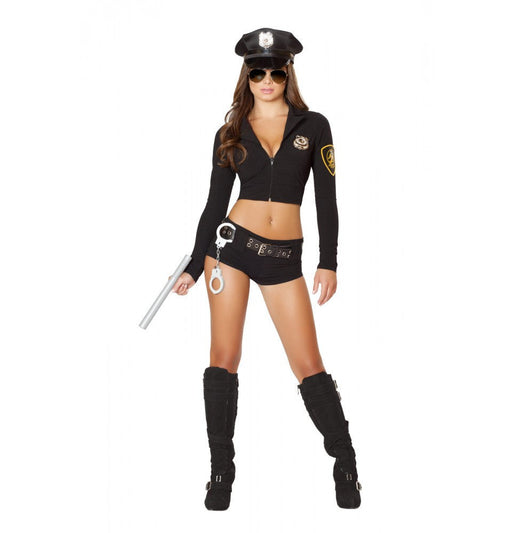
Sexy Police Officer Hottie | Costume-Shop.com
Low stock
🚓 Enforce Fun with a Dash of Flair! Step into the role of authority with the Sexy Police Officer Hottie Costume from www.Costume-shop.com. Designed...
View full details
Original price
$66.95
-
Original price
$66.95
Original price
$66.95
$66.95
-
$66.95
Current price
$66.95


Original price
$97.95
-
Original price
$97.95
Original price
$97.95
$97.95
-
$97.95
Current price
$97.95
Sexy Miss Claus Costume | Costume-Shop.com
Low stock
C170Sexy Miss Claus Costume Includes:Long Robe with Fur Trim Detail, Detachable Belt, & Shorts Material:Stretch Velvet Ships From:Los Angeles S...
View full details
Original price
$97.95
-
Original price
$97.95
Original price
$97.95
$97.95
-
$97.95
Current price
$97.95
Original price
$73.95
-
Original price
$73.95
Original price
$73.95
$73.95
-
$73.95
Current price
$73.95
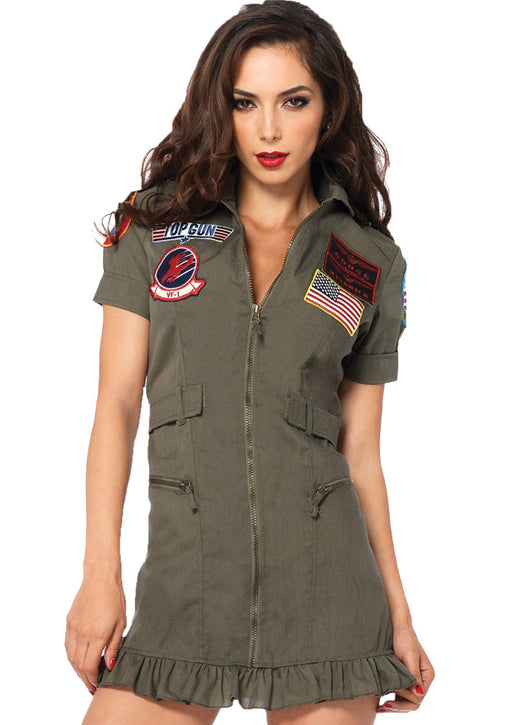
Top Gun Flight Dress | Costume-shop.com
In stock
✈️ Feel the Need for Speed! Elevate your costume game at your next party, Halloween event, or any gathering calling for a bit of high-flying action...
View full details
Original price
$73.95
-
Original price
$73.95
Original price
$73.95
$73.95
-
$73.95
Current price
$73.95
Leave a comment