

Creating a Realistic Fake Blood Application: Tips and Techniques
When it comes to Halloween costumes, haunted houses, or special effects for film and theater productions, nothing adds a touch of gore quite like fake blood. Whether you want to achieve a realistic wound or create a terrifying vampire look, mastering the art of fake blood application is essential. In this blog post, we will provide you with tips and techniques to help you create the most realistic effect possible.
Choosing the Right Type of Fake Blood
Before diving into the application process, it's important to choose the right type of fake blood for your desired effect. There are various options available in the market, including:
- Liquid Fake Blood: This is the most common type of fake blood and can be easily applied using a brush or sponge. It provides a realistic dripping effect and is perfect for creating fresh wounds.
- Gel Fake Blood: Gel-based fake blood is thicker in consistency and stays in place once applied. It is ideal for creating clotted wounds or scars.
- Powdered Fake Blood: Powdered fake blood needs to be mixed with water to achieve the desired consistency. It is often used for large-scale effects or in situations where a lot of blood is required.
- Spray Fake Blood: Spray fake blood comes in an aerosol can and provides a quick and easy way to achieve a splatter effect. This type of fake blood is commonly used in horror movies or haunted houses.
Choose the type of fake blood that best suits your needs and the effect you want to create.
Preparation and Application
Now that you have chosen the right type of fake blood, it's time to prepare for application. Follow these steps for a successful and realistic result:
- Clean and Prepare the Skin: Before applying fake blood, make sure the area is clean and free from any oils or makeup. Use a gentle cleanser to remove any dirt or debris, then pat dry with a clean towel.
- Protect Clothing and Surfaces: Fake blood can be messy, so it's important to protect your clothing and surfaces. Lay down plastic sheets or newspapers on the area where you will be working to catch any spills or drips. Also, consider wearing old clothing that you don't mind getting stained.
- Apply Base Makeup (if necessary): If you are creating a wound effect, consider applying some base makeup to match your skin tone before adding the fake blood. This will help blend the colors more seamlessly.
- Use Tools for Application: Depending on the type of fake blood you are using, choose an appropriate tool for application. Brushes, sponges, cotton swabs, or even your fingers can all be effective tools for applying fake blood.
- Create Depth and Texture: To achieve a realistic look, start by applying a small amount of fake blood to the desired area. Use your tools to spread it out and create depth and texture. Layering different shades of fake blood can also add realism.
- Blend and Smudge: To make the fake blood look more natural, gently blend and smudge it with your fingers or a clean sponge. This will help soften any hard edges and create a more realistic effect.
- Add Finishing Touches: Once you are satisfied with the overall look, you can add additional details to enhance the effect. Consider adding some fake scabs, bruising, or even some extra splatters of blood for a more gruesome appearance.
Tips for Realistic Fake Blood Application
To take your fake blood application to the next level, consider these additional tips:
- Study Real Wounds: Look at reference photos or videos of real wounds to understand how blood behaves and spreads. This will help you recreate a more realistic effect.
- Experiment with Different Techniques: Don't be afraid to try different techniques and approaches when applying fake blood. Practice on yourself or friends before the final application to see what works best for your desired effect.
- Consider Lighting: Keep in mind that lighting can greatly affect the appearance of fake blood. Test your makeup under different lighting conditions to ensure it looks realistic in various settings.
- Have Fun and Be Creative: Remember that creating realistic fake blood effects is an art form. Don't be afraid to get creative and have fun with your application. The possibilities are endless!

Removing Fake Blood
Once you're done scaring people with your realistic fake blood application, it's time to remove it. Here are some tips for safely removing fake blood:
- Start by gently wiping away any excess fake blood using a damp cloth or tissue.
- If the fake blood has stained your skin, use a gentle cleanser or makeup remover to remove the remaining residue.
- If the stain persists, try using a mixture of warm water and mild soap. Gently rub the stained area until the stain fades away.
- For clothing or fabric stains, pre-treat the area with stain remover before washing it as usual.
Remember to always read and follow the instructions provided with the specific type of fake blood you are using for best results.
In Conclusion
Fake blood application is an essential skill for creating realistic special effects, Halloween costumes, and more. By choosing the right type of fake blood, preparing properly, and practicing different techniques, you can achieve incredibly realistic results. Whether you're going for a fresh wound or a vampire bite, mastering this art form will take your costume or production to the next level.
So go ahead and unleash your creativity by experimenting with different types of fake blood and techniques. With practice and dedication, you'll be able to create jaw-dropping effects that will leave everyone in awe!
Featured collection
Original price
$27.95
-
Original price
$27.95
Original price
$27.95
$27.95
-
$27.95
Current price
$27.95
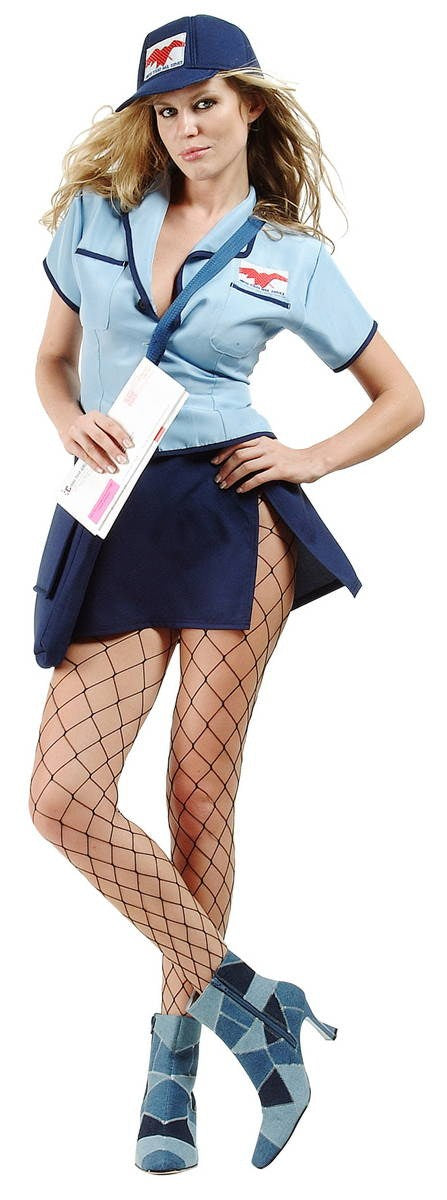
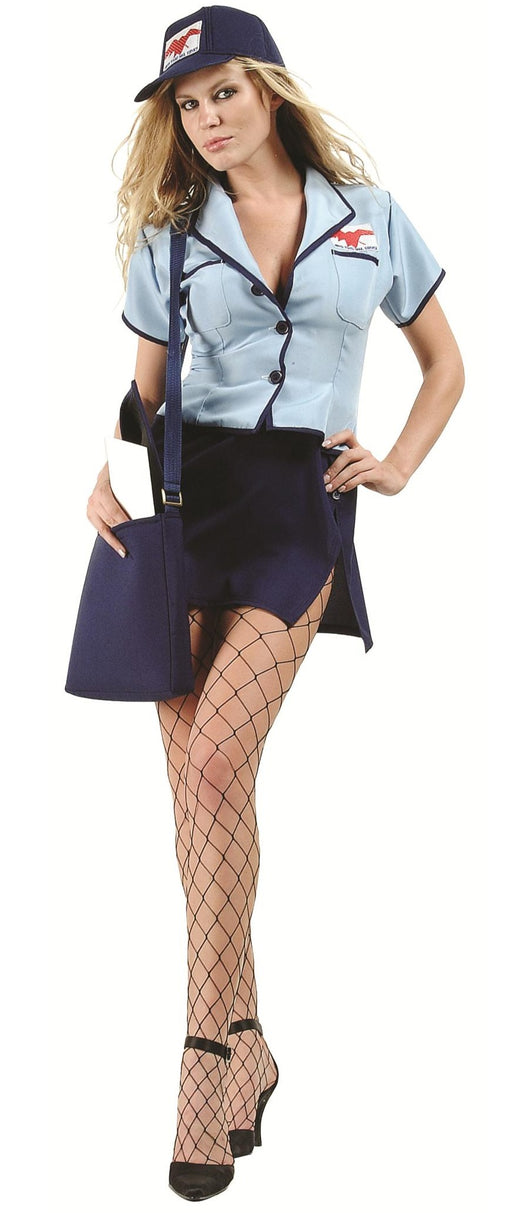
Sexy Post Office Girl | Costume-Shop.com
In stock
Attention all aspiring letter carriers and mail enthusiasts! Prepare to deliver a package of seductive style and naughty charm with our Sexy Post O...
View full details
Original price
$27.95
-
Original price
$27.95
Original price
$27.95
$27.95
-
$27.95
Current price
$27.95


Original price
$110.95
-
Original price
$110.95
Original price
$110.95
$110.95
-
$110.95
Current price
$110.95
Northern Warrior Costume | Costume-Shop.com
Low stock
Upgrade your costume game to legendary status with the Northern Warrior Costume! Designed for rugged adventurers and fearless warriors of the North...
View full details
Original price
$110.95
-
Original price
$110.95
Original price
$110.95
$110.95
-
$110.95
Current price
$110.95
Original price
$66.95
-
Original price
$66.95
Original price
$66.95
$66.95
-
$66.95
Current price
$66.95
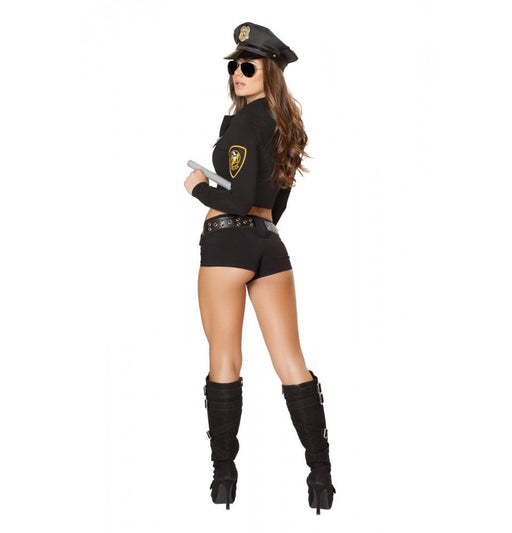
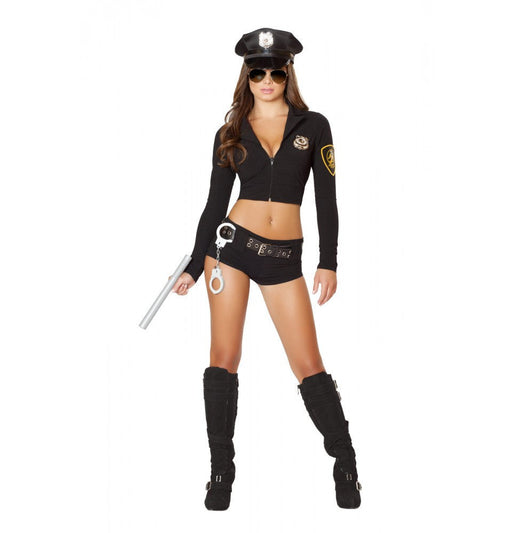
Sexy Police Officer Hottie | Costume-Shop.com
Low stock
🚓 Enforce Fun with a Dash of Flair! Step into the role of authority with the Sexy Police Officer Hottie Costume from www.Costume-shop.com. Designed...
View full details
Original price
$66.95
-
Original price
$66.95
Original price
$66.95
$66.95
-
$66.95
Current price
$66.95


Original price
$97.95
-
Original price
$97.95
Original price
$97.95
$97.95
-
$97.95
Current price
$97.95
Sexy Miss Claus Costume | Costume-Shop.com
Low stock
C170Sexy Miss Claus Costume Includes:Long Robe with Fur Trim Detail, Detachable Belt, & Shorts Material:Stretch Velvet Ships From:Los Angeles S...
View full details
Original price
$97.95
-
Original price
$97.95
Original price
$97.95
$97.95
-
$97.95
Current price
$97.95
Original price
$73.95
-
Original price
$73.95
Original price
$73.95
$73.95
-
$73.95
Current price
$73.95
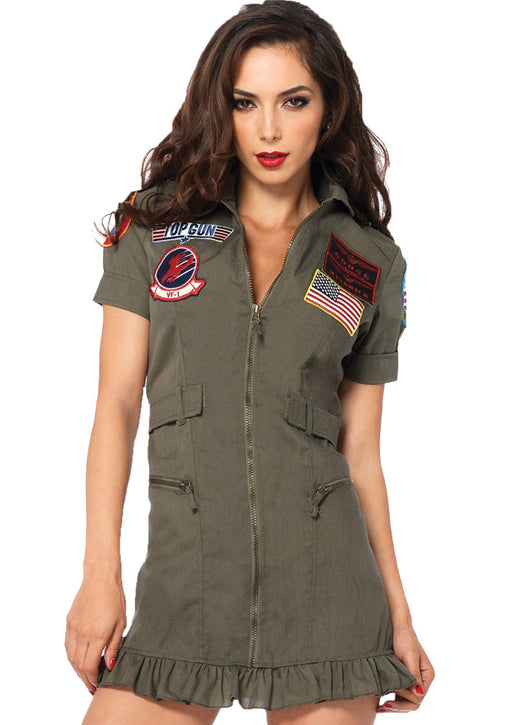
Top Gun Flight Dress | Costume-shop.com
In stock
✈️ Feel the Need for Speed! Elevate your costume game at your next party, Halloween event, or any gathering calling for a bit of high-flying action...
View full details
Original price
$73.95
-
Original price
$73.95
Original price
$73.95
$73.95
-
$73.95
Current price
$73.95
Leave a comment