

Costume Preparation for School Plays

Preparing costumes for school plays can be an exciting and creative task. Whether it's a classic production like Shakespeare's Hamlet or a modern adaptation of a popular children's book, costumes play an essential role in bringing the characters to life on stage. In this blog post, we will explore some tips and ideas for costume preparation for school plays.
1. Research the Characters
The first step in preparing costumes for school plays is to thoroughly research the characters. Read the script or watch previous productions to understand the personalities, traits, and characteristics of each character. This will help you determine their style, preferences, and overall appearance.
2. Create Costume Designs
Once you have a good understanding of the characters, it's time to create costume designs. Sketch out your ideas and consider factors such as the time period, setting, and theme of the play. Discuss your designs with the director, other members of the production team, and even the actors themselves to ensure everyone is on the same page.
3. Consider Budget and Resources
When planning costumes for school plays, it's important to consider your budget and available resources. Determine how much you can allocate for costumes and explore cost-effective options such as borrowing or renting from local theaters or costume shops. You can also repurpose existing clothing items or accessories to save money.
4. Gather Materials
Once you have finalized your costume designs, make a list of all the materials needed. This may include fabric, trims, buttons, zippers, paints, glues, and various other embellishments. Visit fabric stores or online marketplaces to purchase the required materials and ensure you have everything before starting the construction process.

5. Start Construction
The construction phase is where your costume designs come to life. Use your sewing skills to cut patterns, stitch fabric pieces together, and add details like buttons or appliques. If you're not confident in your sewing abilities, consider enlisting the help of parents or community volunteers who have experience in costume making.
6. Tailor Costumes to Fit
A well-fitting costume is crucial for actors' comfort and mobility on stage. Take accurate measurements of each actor and adjust the costumes accordingly. Consider adding elastic bands or adjustable straps for flexibility if needed. It's also a good idea to schedule fittings with actors during the construction process to ensure the costumes fit perfectly.
7. Pay Attention to Details
The little details can make a big difference in bringing characters to life. Pay attention to accessories like hats, belts, jewelry, or props that enhance the overall look of the costumes. Customizing each costume with unique details adds authenticity and helps actors feel more connected to their characters.

8. Coordinate Colors and Styles
To create a visually appealing stage production, coordinate colors and styles among characters and scenes. Use color theory principles to enhance mood or symbolism. Consider the play's overall aesthetic and ensure that each costume complements the set design, lighting, and other visual elements.
9. Plan for Quick Changes
In school plays, quick costume changes are often necessary. Prepare for these transitions by designing costumes that are easy to put on and take off quickly. Use velcro fasteners, snaps, or strategically placed zippers for efficient changes backstage without compromising the quality or appearance of the costumes.
10. Involve Students in the Process
Finally, involving students in the costume preparation process can be an excellent learning opportunity and foster a sense of ownership in the production. Encourage students who have an interest in fashion or design to assist with sewing or crafting tasks under your supervision.
Conclusion
Costume preparation for school plays requires careful research, planning, and attention to detail. By thoroughly understanding the characters, creating designs, considering budget limitations, gathering materials, constructing costumes with proper fitting and intricate details, coordinating colors and styles, planning for quick changes, and involving students in the process, you can help bring the production to life on stage. The costumes you create will not only enhance the visual appeal of the play but also contribute to the actors' ability to embody their respective characters fully.
Featured collection
Original price
$27.95
-
Original price
$27.95
Original price
$27.95
$27.95
-
$27.95
Current price
$27.95
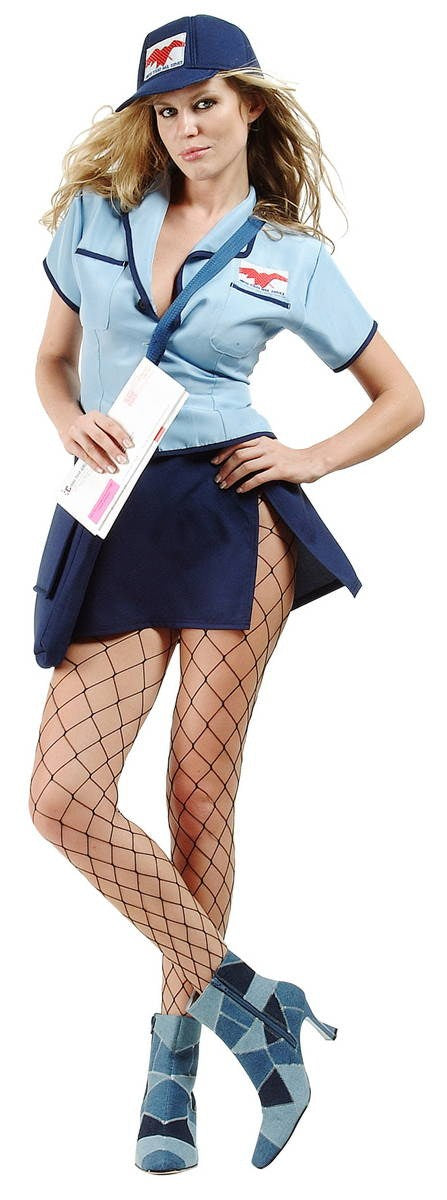
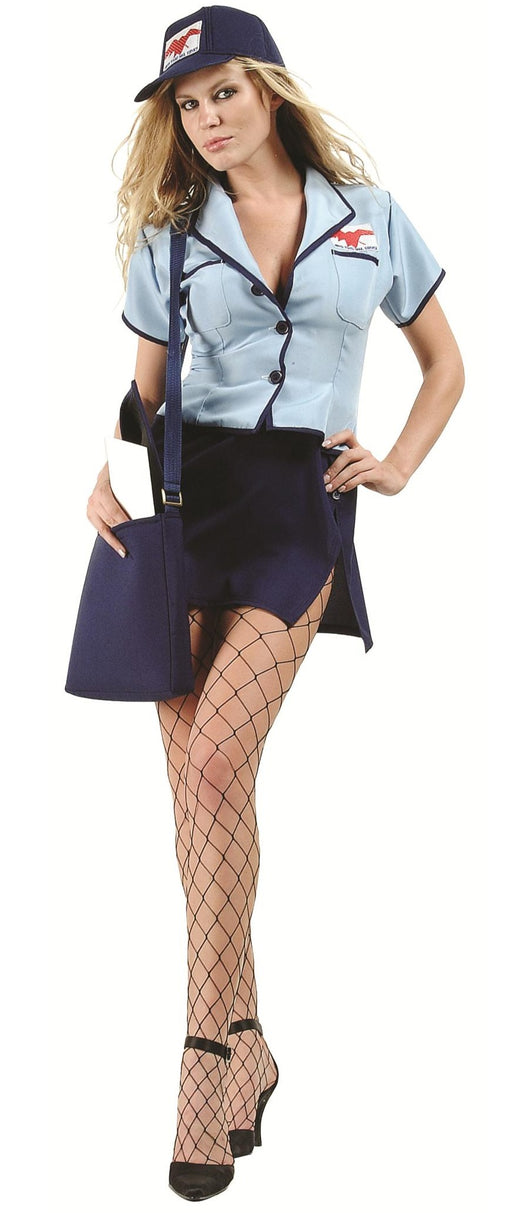
Sexy Post Office Girl | Costume-Shop.com
In stock
Attention all aspiring letter carriers and mail enthusiasts! Prepare to deliver a package of seductive style and naughty charm with our Sexy Post O...
View full details
Original price
$27.95
-
Original price
$27.95
Original price
$27.95
$27.95
-
$27.95
Current price
$27.95


Original price
$110.95
-
Original price
$110.95
Original price
$110.95
$110.95
-
$110.95
Current price
$110.95
Northern Warrior Costume | Costume-Shop.com
Low stock
Upgrade your costume game to legendary status with the Northern Warrior Costume! Designed for rugged adventurers and fearless warriors of the North...
View full details
Original price
$110.95
-
Original price
$110.95
Original price
$110.95
$110.95
-
$110.95
Current price
$110.95
Original price
$66.95
-
Original price
$66.95
Original price
$66.95
$66.95
-
$66.95
Current price
$66.95
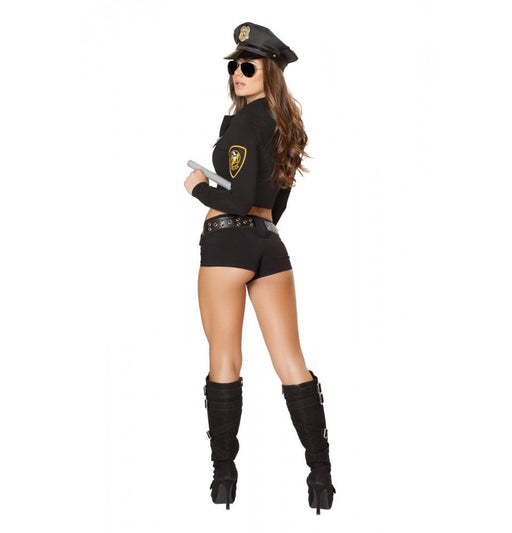
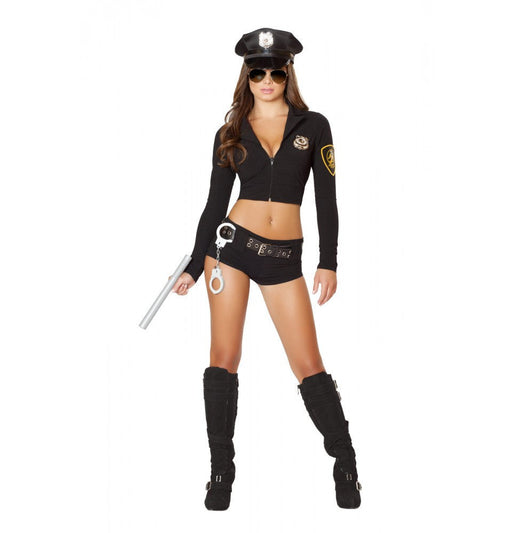
Sexy Police Officer Hottie | Costume-Shop.com
Low stock
🚓 Enforce Fun with a Dash of Flair! Step into the role of authority with the Sexy Police Officer Hottie Costume from www.Costume-shop.com. Designed...
View full details
Original price
$66.95
-
Original price
$66.95
Original price
$66.95
$66.95
-
$66.95
Current price
$66.95


Original price
$97.95
-
Original price
$97.95
Original price
$97.95
$97.95
-
$97.95
Current price
$97.95
Sexy Miss Claus Costume | Costume-Shop.com
Low stock
C170Sexy Miss Claus Costume Includes:Long Robe with Fur Trim Detail, Detachable Belt, & Shorts Material:Stretch Velvet Ships From:Los Angeles S...
View full details
Original price
$97.95
-
Original price
$97.95
Original price
$97.95
$97.95
-
$97.95
Current price
$97.95
Original price
$73.95
-
Original price
$73.95
Original price
$73.95
$73.95
-
$73.95
Current price
$73.95
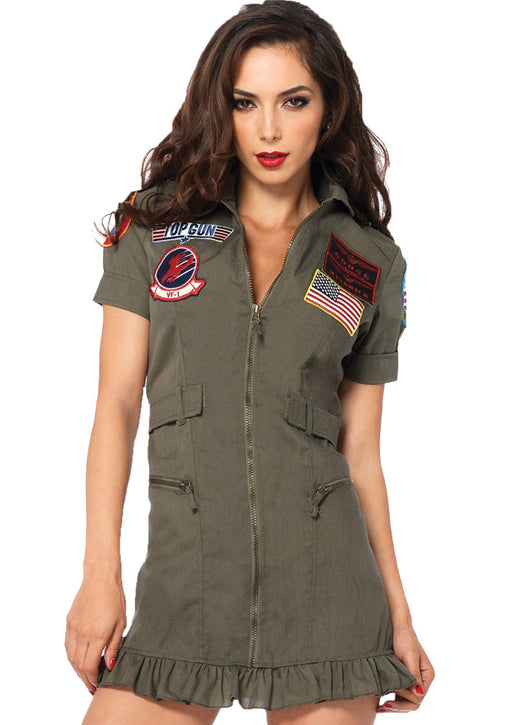
Top Gun Flight Dress | Costume-shop.com
In stock
✈️ Feel the Need for Speed! Elevate your costume game at your next party, Halloween event, or any gathering calling for a bit of high-flying action...
View full details
Original price
$73.95
-
Original price
$73.95
Original price
$73.95
$73.95
-
$73.95
Current price
$73.95
Leave a comment