

Choosing Safe Costume Materials: A Guide for Parents
As a parent, one of the most exciting aspects of Halloween or costume parties is helping your child choose and create their dream costume. However, it's crucial to ensure that the materials used in their costumes are safe and non-toxic. In this guide, we will explore different safe costume materials that you can consider when creating a memorable and worry-free costume for your child.
Cotton Fabric

Cotton fabric is an excellent choice for costumes due to its breathability and softness. It allows air circulation, which prevents your child from overheating while trick-or-treating or attending a party. Additionally, cotton is hypoallergenic, making it less likely to cause irritation or allergic reactions on sensitive skin.
When selecting cotton fabric for your child's costume, opt for organic or natural cotton whenever possible. These options are free from harmful chemicals such as pesticides and synthetic dyes commonly found in conventional cotton fabrics.
Fleece Fabric

Fleece fabric is another safe choice for costumes, especially during colder months or if your child will be spending an extended period outdoors. Fleece provides excellent insulation while remaining lightweight and comfortable. It also wicks away moisture, keeping your child dry and warm.
Similar to cotton, opt for organic or natural fleece options to avoid potential exposure to harmful chemicals. Organic fleece is made from natural fibers without the use of pesticides or other toxins, ensuring a safe and cozy costume for your child.
Faux Fur

If your child's costume involves animal-inspired characters, consider using faux fur as a safe alternative. Faux fur mimics the look and feel of real fur without causing harm to animals. It is typically made from synthetic materials such as polyester or acrylic.
Ensure that the faux fur you choose is labeled as flame-resistant to reduce fire hazards. Additionally, check for any loose fibers that could potentially irritate your child's skin or be ingested accidentally.
Wool

Wool is an excellent choice for costumes requiring warmth and durability. It provides natural insulation even when wet and is highly breathable, making it suitable for various weather conditions.
When selecting wool for your child's costume, look for certified organic wool options. These are produced without the use of harmful chemicals such as pesticides or synthetic dyes. Additionally, avoid purchasing costumes made with itchy or scratchy wool that may cause discomfort to your child.
Eco-Friendly Materials

Choosing eco-friendly materials for your child's costume is not only safe but also environmentally conscious. There are many sustainable options available that can be both creative and fun.
Recycled materials such as cardboard, newspapers, or fabric scraps can be repurposed to create unique costumes. This not only reduces waste but also encourages creativity and resourcefulness in your child.
You can also consider costumes made from natural fibers like bamboo or hemp. These materials are biodegradable and renewable, making them a more sustainable choice for the environment.
Avoiding Toxic Materials

While it's essential to choose safe costume materials, it's equally crucial to avoid toxic materials that may pose risks to your child's health. Here are a few materials to steer clear of:
- PVC (Polyvinyl Chloride): PVC is commonly used in costumes due to its affordability and flexibility. However, it contains harmful chemicals called phthalates, which have been linked to various health issues. Avoid costumes made primarily from PVC.
- Lead-Based Paint: Some costumes may feature decorative elements painted with lead-based paint, which can be toxic if ingested or inhaled. Ensure that any painted parts on the costume are lead-free.
- Glow-in-the-Dark Materials: While glow-in-the-dark costumes may add an exciting element to Halloween festivities, the chemicals used in the glowing effects can be toxic when in direct contact with the skin for extended periods. Opt for alternative costume options or ensure that these materials do not have direct skin contact.
- Flammable Fabrics: Avoid costumes made from highly flammable materials, such as nylon or rayon, as they can pose fire hazards.
Additional Safety Tips
Aside from choosing safe costume materials, here are a few additional safety tips to ensure your child has a memorable and secure Halloween experience:
- Ensure costumes fit properly to prevent tripping or entanglement hazards.
- Add reflective tape or stickers to costumes for better visibility in low-light conditions.
- Avoid masks that obstruct vision or make it difficult to breathe. Instead, opt for face paint or non-toxic makeup alternatives.
- Supervise younger children during trick-or-treating and encourage older children to go in groups.
- Carry flashlights or glow sticks to improve visibility.
- Inspect all candy before allowing your child to consume it.
By following these tips and selecting safe costume materials, you can ensure that your child's Halloween experience is not only fun but also worry-free. Let their imagination run wild while keeping their health and safety a top priority. Happy dressing up!
Featured collection
Original price
$27.95
-
Original price
$27.95
Original price
$27.95
$27.95
-
$27.95
Current price
$27.95
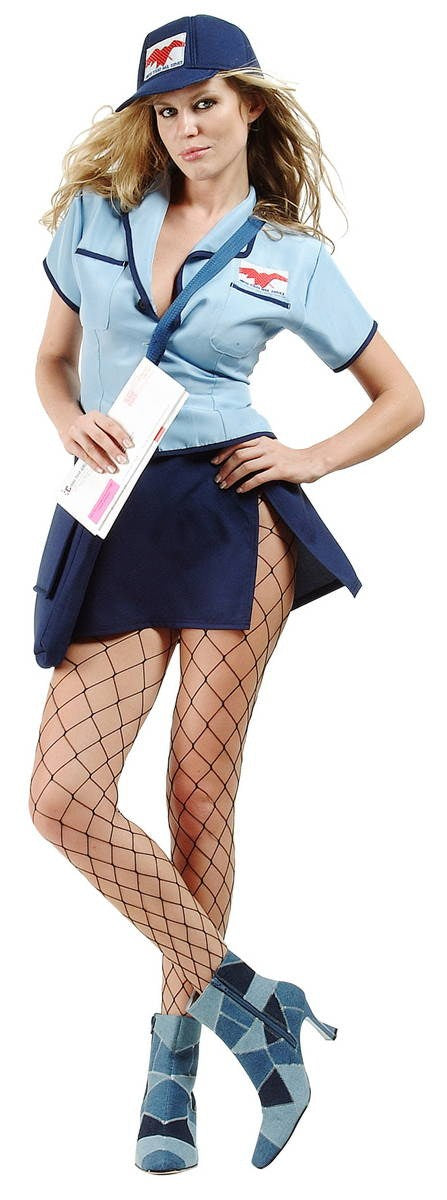
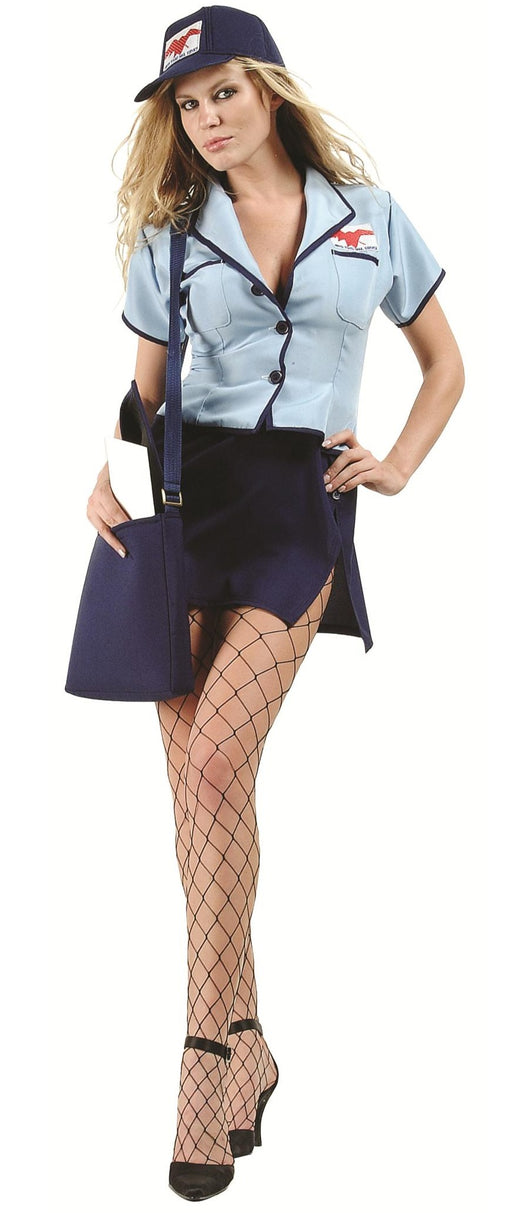
Sexy Post Office Girl | Costume-Shop.com
In stock
Attention all aspiring letter carriers and mail enthusiasts! Prepare to deliver a package of seductive style and naughty charm with our Sexy Post O...
View full details
Original price
$27.95
-
Original price
$27.95
Original price
$27.95
$27.95
-
$27.95
Current price
$27.95


Original price
$110.95
-
Original price
$110.95
Original price
$110.95
$110.95
-
$110.95
Current price
$110.95
Northern Warrior Costume | Costume-Shop.com
Low stock
Upgrade your costume game to legendary status with the Northern Warrior Costume! Designed for rugged adventurers and fearless warriors of the North...
View full details
Original price
$110.95
-
Original price
$110.95
Original price
$110.95
$110.95
-
$110.95
Current price
$110.95
Original price
$66.95
-
Original price
$66.95
Original price
$66.95
$66.95
-
$66.95
Current price
$66.95
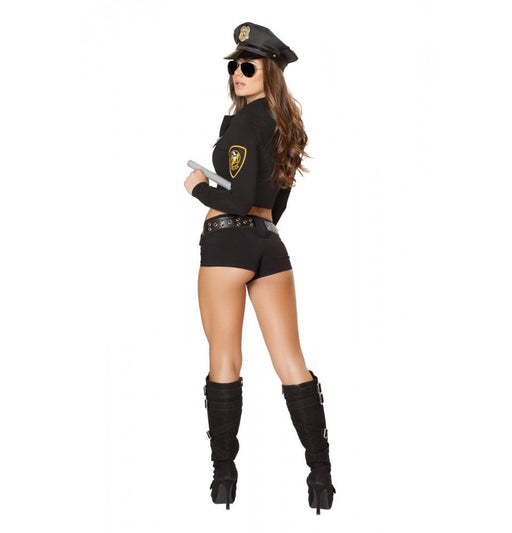
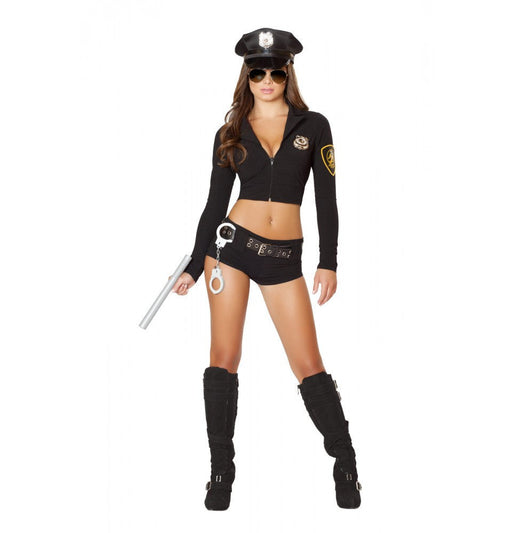
Sexy Police Officer Hottie | Costume-Shop.com
Low stock
🚓 Enforce Fun with a Dash of Flair! Step into the role of authority with the Sexy Police Officer Hottie Costume from www.Costume-shop.com. Designed...
View full details
Original price
$66.95
-
Original price
$66.95
Original price
$66.95
$66.95
-
$66.95
Current price
$66.95


Original price
$97.95
-
Original price
$97.95
Original price
$97.95
$97.95
-
$97.95
Current price
$97.95
Sexy Miss Claus Costume | Costume-Shop.com
Low stock
C170Sexy Miss Claus Costume Includes:Long Robe with Fur Trim Detail, Detachable Belt, & Shorts Material:Stretch Velvet Ships From:Los Angeles S...
View full details
Original price
$97.95
-
Original price
$97.95
Original price
$97.95
$97.95
-
$97.95
Current price
$97.95
Original price
$73.95
-
Original price
$73.95
Original price
$73.95
$73.95
-
$73.95
Current price
$73.95
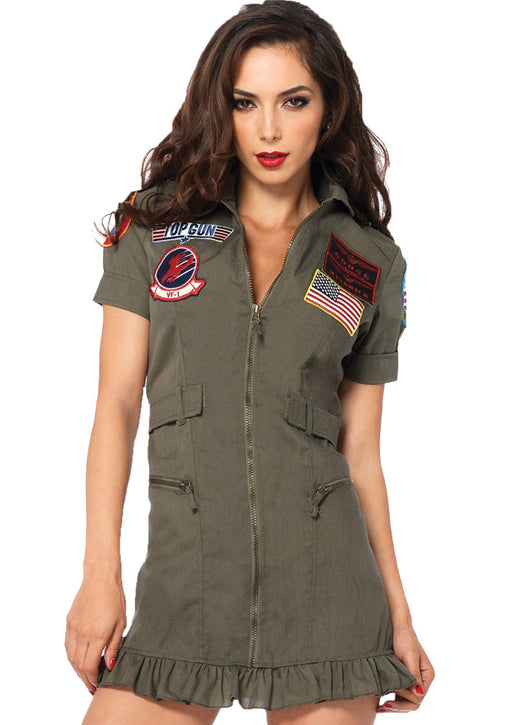
Top Gun Flight Dress | Costume-shop.com
In stock
✈️ Feel the Need for Speed! Elevate your costume game at your next party, Halloween event, or any gathering calling for a bit of high-flying action...
View full details
Original price
$73.95
-
Original price
$73.95
Original price
$73.95
$73.95
-
$73.95
Current price
$73.95
Leave a comment