

Breaking Down Stereotypes:
Ariel's Ethnic Transformation in the New The Little Mermaid

The iconic Disney character Ariel, from the beloved animated film "The Little Mermaid," is set to undergo an exciting transformation in the upcoming live-action adaptation. The new film, which has caused quite a stir among fans and critics alike, will feature Ariel as a woman of color.
Embracing Diversity and Inclusivity
The decision to cast a woman of color as Ariel is a significant step toward embracing diversity and inclusivity in Hollywood. It breaks away from the traditional narrative of fairytale princesses being predominantly portrayed as white. By reimagining Ariel's character as an ethnic minority, Disney is challenging stereotypes and promoting representation on screen.
This move is not only important for young children who will grow up seeing themselves represented in popular culture but also for adults who have longed to see more diversity in mainstream media. By breaking down stereotypes, Disney is sending a powerful message about acceptance and equality.
Ariel's ethnic transformation highlights the importance of creating relatable characters that reflect the diverse world we live in today. It allows individuals from all backgrounds to see themselves represented on screen and feel validated.
Positive Impact on Society
The representation of diverse characters in popular media has a significant impact on society. When people are exposed to different cultures and experiences through films and television shows, it fosters empathy, understanding, and tolerance.
Children especially benefit from seeing diverse characters because it helps them develop a sense of appreciation for other cultures. It teaches them that everyone deserves respect regardless of their race or ethnicity.
By featuring Ariel as a woman of color, Disney is contributing to the ongoing conversation about racial representation in mainstream media. This move serves as an example for other production companies to follow suit by diversifying their casts and stories.
Celebrating Individuality
Ariel's ethnic transformation also celebrates individuality. It sends a powerful message to young girls that they don't have to conform to societal norms or adhere to traditional beauty standards.
By breaking away from the conventional image of a fairytale princess, Disney is encouraging young girls to embrace their unique features and feel confident in their own skin. It promotes self-acceptance and challenges the notion that beauty should be homogenous.
This shift in perspective is crucial for promoting body positivity and self-love among young audiences. It encourages children to appreciate their differences and understand that true beauty comes from within.
Addressing Criticism
While Ariel's ethnic transformation has been met with overwhelming support, there are still critics who argue against changing the character's race. Some claim that it goes against the original source material or undermines the essence of the story.
However, it is essential to remember that storytelling evolves over time. Adapting characters and narratives allows for new interpretations and fresh perspectives. The live-action adaptation of "The Little Mermaid" presents an opportunity for reimagining Ariel's character in a way that resonates with contemporary audiences.
The purpose of this transformation is not to erase or diminish the original animated film but rather to expand upon its themes and make them relevant for today's society. By embracing diversity, Disney can create a more inclusive world where everyone feels seen and heard.
The Importance of Representation
"Representation matters because it shapes how we see ourselves and others." - Ava DuVernay
Ava DuVernay, an acclaimed filmmaker, perfectly encapsulates why representation is crucial in media. When individuals from different backgrounds are represented authentically on screen, it helps challenge stereotypes, break down barriers, and foster a sense of belonging.
By casting a woman of color as Ariel, Disney is taking a step toward creating a more inclusive and representative entertainment industry. It opens doors for underrepresented communities and allows them to tell their stories through the power of film.
The Future of Diversity in Hollywood
Ariel's ethnic transformation in the new live-action adaptation of "The Little Mermaid" is just one example of the growing shift toward diversity and inclusivity in Hollywood. The industry is gradually recognizing the need for more representation on screen, both in front of and behind the camera.
While progress has been made, there is still work to be done. Increased diversity must not be seen as a temporary trend but rather as an ongoing commitment to creating authentic and inclusive narratives.
As audiences continue to demand more diverse stories, it is crucial for production companies to listen and respond by providing opportunities for underrepresented voices. By doing so, they can create a more equitable industry that reflects the world we live in today.
Conclusion
Ariel's ethnic transformation in the upcoming live-action adaptation of "The Little Mermaid" breaks down stereotypes and challenges traditional narratives. By featuring Ariel as a woman of color, Disney promotes diversity, inclusivity, and representation on screen.
This transformation sends a powerful message about acceptance, equality, individuality, and self-love. It celebrates different cultures while fostering empathy and understanding among viewers.
While there may be critics who question this decision, it is important to remember that storytelling evolves over time. Adapting characters allows for fresh interpretations that resonate with contemporary audiences.
The future of diversity in Hollywood lies in continued efforts to create more inclusive narratives that reflect our diverse world. By embracing diversity, we can create a more equitable and representative industry that celebrates the power of storytelling.
So, let's celebrate Ariel's ethnic transformation in "The Little Mermaid" and look forward to a future where diversity takes center stage!
Featured collection
Original price
$27.95
-
Original price
$27.95
Original price
$27.95
$27.95
-
$27.95
Current price
$27.95
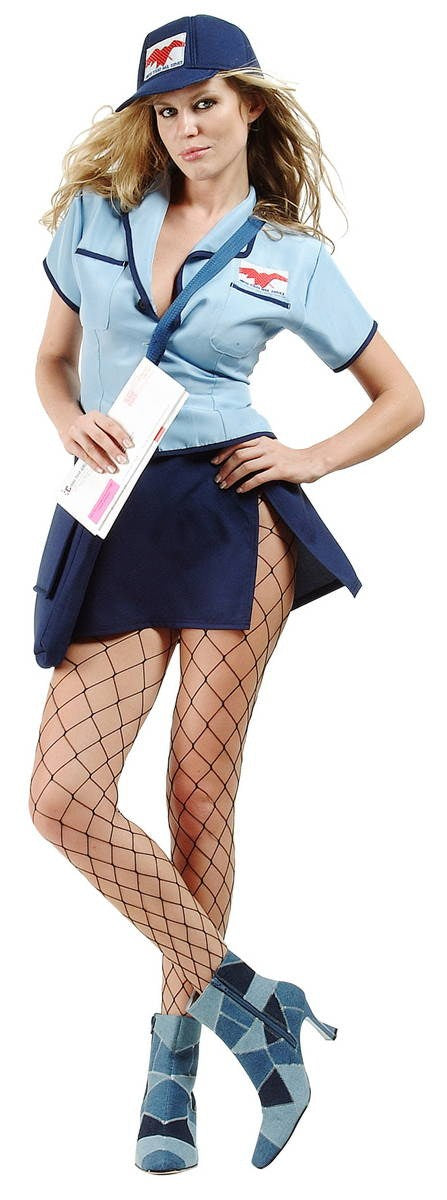
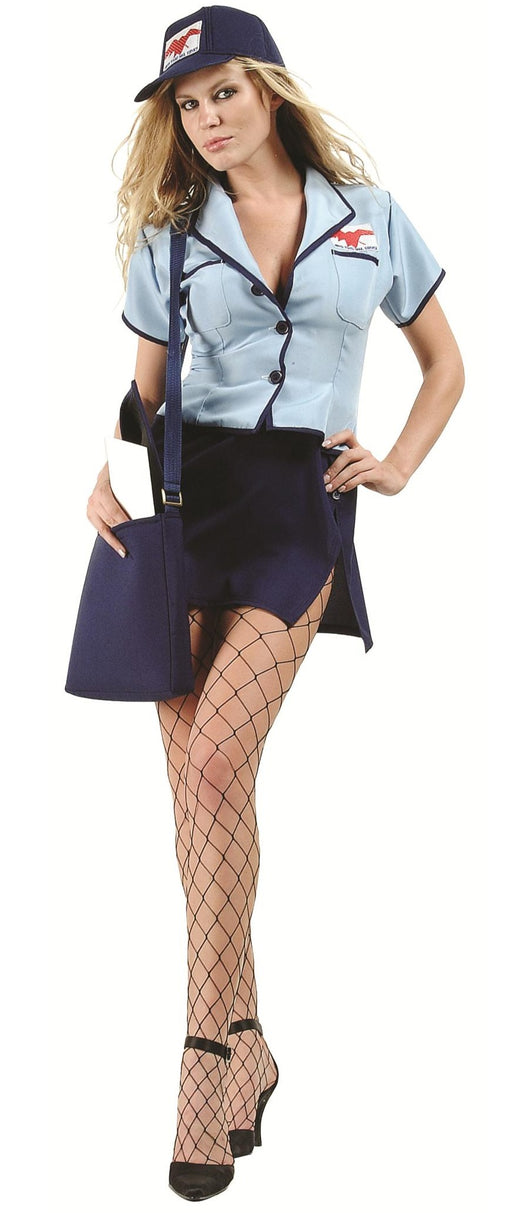
Sexy Post Office Girl | Costume-Shop.com
In stock
Attention all aspiring letter carriers and mail enthusiasts! Prepare to deliver a package of seductive style and naughty charm with our Sexy Post O...
View full details
Original price
$27.95
-
Original price
$27.95
Original price
$27.95
$27.95
-
$27.95
Current price
$27.95


Original price
$110.95
-
Original price
$110.95
Original price
$110.95
$110.95
-
$110.95
Current price
$110.95
Northern Warrior Costume | Costume-Shop.com
Low stock
Upgrade your costume game to legendary status with the Northern Warrior Costume! Designed for rugged adventurers and fearless warriors of the North...
View full details
Original price
$110.95
-
Original price
$110.95
Original price
$110.95
$110.95
-
$110.95
Current price
$110.95


Original price
$66.95
-
Original price
$66.95
Original price
$66.95
$66.95
-
$66.95
Current price
$66.95
Sexy Police Officer Hottie | Costume-Shop.com
Low stock
🚓 Enforce Fun with a Dash of Flair! Step into the role of authority with the Sexy Police Officer Hottie Costume from www.Costume-shop.com. Designed...
View full details
Original price
$66.95
-
Original price
$66.95
Original price
$66.95
$66.95
-
$66.95
Current price
$66.95


Original price
$97.95
-
Original price
$97.95
Original price
$97.95
$97.95
-
$97.95
Current price
$97.95
Sexy Miss Claus Costume | Costume-Shop.com
Low stock
C170Sexy Miss Claus Costume Includes:Long Robe with Fur Trim Detail, Detachable Belt, & Shorts Material:Stretch Velvet Ships From:Los Angeles S...
View full details
Original price
$97.95
-
Original price
$97.95
Original price
$97.95
$97.95
-
$97.95
Current price
$97.95
Original price
$73.95
-
Original price
$73.95
Original price
$73.95
$73.95
-
$73.95
Current price
$73.95
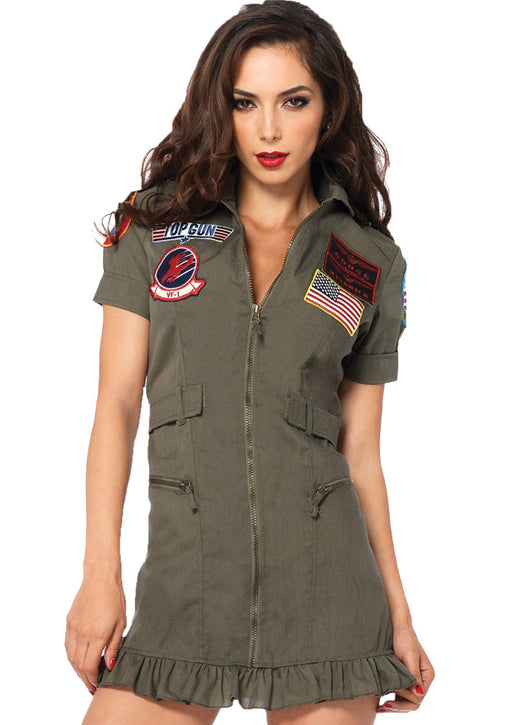
Top Gun Flight Dress | Costume-shop.com
In stock
✈️ Feel the Need for Speed! Elevate your costume game at your next party, Halloween event, or any gathering calling for a bit of high-flying action...
View full details
Original price
$73.95
-
Original price
$73.95
Original price
$73.95
$73.95
-
$73.95
Current price
$73.95
Leave a comment