

Blood Stain Prevention: Tips and Tricks to Keep Your Fabrics Spotless
Blood Stain Prevention: Tips and Tricks to Keep Your Fabrics Spotless

Blood Stain Prevention: Tips and Tricks to Keep Your Fabrics Spotless
Accidents happen, and sometimes that means blood stains on our favorite fabrics. Whether it's a minor cut or a clumsy spill, dealing with bloodstains can be quite frustrating. However, with the right knowledge and techniques, you can prevent these stains from ruining your fabrics. In this blog post, we will share some effective tips and tricks for blood stain prevention.
1. Act quickly
When it comes to preventing blood stains, time is of the essence. The longer you wait to treat the stain, the harder it will be to remove. As soon as you notice a bloodstain on your fabric, take immediate action.
Start by rinsing the stained area with cold water. This will help dilute the blood and remove as much of it as possible before it sets in. Avoid using warm or hot water, as heat can cause the stain to set.
2. Use salt or hydrogen peroxide
If cold water alone doesn't do the trick, try using salt or hydrogen peroxide to treat the stain.
Salt: Cover the stained area with table salt and let it sit for a few minutes. Then, gently scrub the fabric with a brush or sponge soaked in cold water.
TIP: Test an inconspicuous area of your fabric first to ensure that salt won't damage or discolor it.
Hydrogen peroxide: Dilute hydrogen peroxide with an equal amount of cold water. Soak a clean cloth in the solution and blot it onto the stain until it disappears.
3. Use cold water and dish soap
If the blood stain is still visible after using salt or hydrogen peroxide, try using a mixture of cold water and dish soap.
Fill a basin or sink with cold water and add a small amount of liquid dish soap. Mix it well to create suds. Gently rub the stained area with a clean cloth soaked in the soapy water. Rinse thoroughly with cold water.
4. Avoid hot water and heat
Hot water and heat can cause bloodstains to set, making them much more difficult to remove. Always use cold water when treating blood stains.
In addition, avoid using heat sources like hairdryers or irons on stained fabrics, as this can permanently set the stain into the fibers.
5. Consider enzyme-based cleaners
If you're dealing with stubborn blood stains that refuse to budge, consider using enzyme-based cleaners specifically designed for removing organic stains.
Enzyme cleaners work by breaking down the proteins in blood, which helps lift the stain from the fabric. Follow the instructions on the cleaner carefully and test it on an inconspicuous area first to ensure compatibility with your fabric.
6. Pre-treat before washing
To prevent blood stains from setting in during the wash cycle, it's important to pre-treat them beforehand.
Apply a small amount of liquid laundry detergent directly onto the stained area and gently rub it in with your fingers or a soft brush. Let it sit for at least 10 minutes before laundering as usual.
7. Wash in cold water
When it comes time to launder your blood-stained fabrics, always opt for cold water instead of warm or hot water.
Washing in cold water helps prevent the stain from setting and ensures that your fabrics come out clean and fresh. Use a mild detergent and follow the care instructions on the garment's label.
8. Air dry or line dry
After washing, avoid using high heat to dry blood-stained fabrics. High temperatures can cause stains to set permanently.
Instead, air dry your fabrics if possible, laying them flat on a clean towel or hanging them up on a clothesline. If using a dryer, choose the lowest heat setting or use the air-dry feature, if available.
9. Seek professional help for delicate fabrics
If you're dealing with delicate or valuable fabrics that require special care, it's best to seek professional help for blood stain removal.
Dry cleaners often have specialized techniques and products for treating tough stains without damaging the fabric. Be sure to inform them about the nature of the stain so they can choose the appropriate method.
10. Prevention is key
The best way to deal with blood stains is to prevent them from happening in the first place. Here are some tips:
- Avoid wearing light-colored clothing when you know there's a chance of injury.
- Keep a first aid kit handy at home, so you can quickly treat any cuts or wounds before they have a chance to stain your clothes.
- If you're prone to nosebleeds while sleeping, consider using dark-colored pillowcases that won't show stains as easily.
- Cover surfaces with protective sheets or towels when working with sharp objects.
In Summary
TIP: Prevention is the best way to avoid blood stains, but accidents happen. Act quickly, use cold water and gentle detergents, and consider professional help for delicate fabrics. With these tips and tricks, you'll be able to keep your fabrics spotless.
Remember, preventing blood stains involves quick action and the right techniques. By following these tips and tricks, you can minimize the chances of bloodstains ruining your favorite fabrics. Whether it's a minor accident or a major spill, you'll be well-equipped to handle any situation.
Featured collection
Original price
$27.95
-
Original price
$27.95
Original price
$27.95
$27.95
-
$27.95
Current price
$27.95
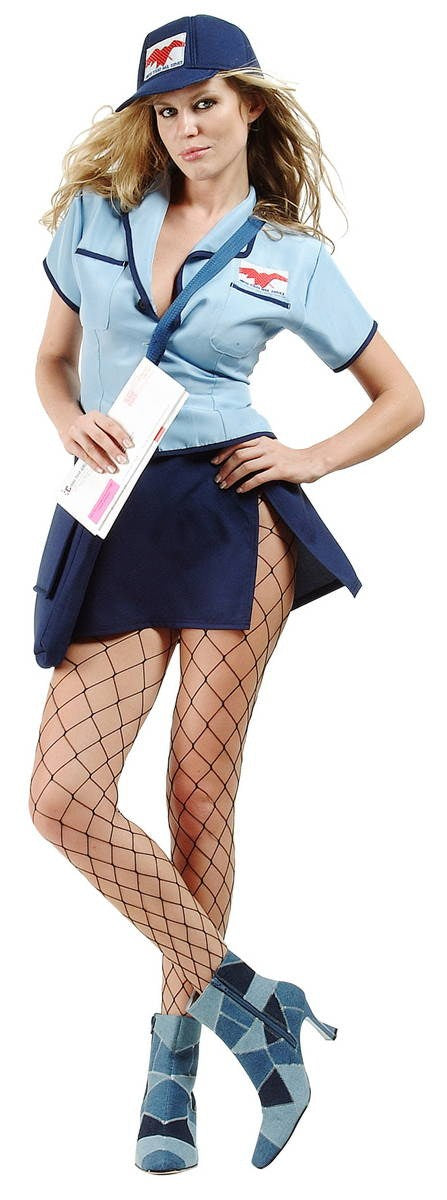
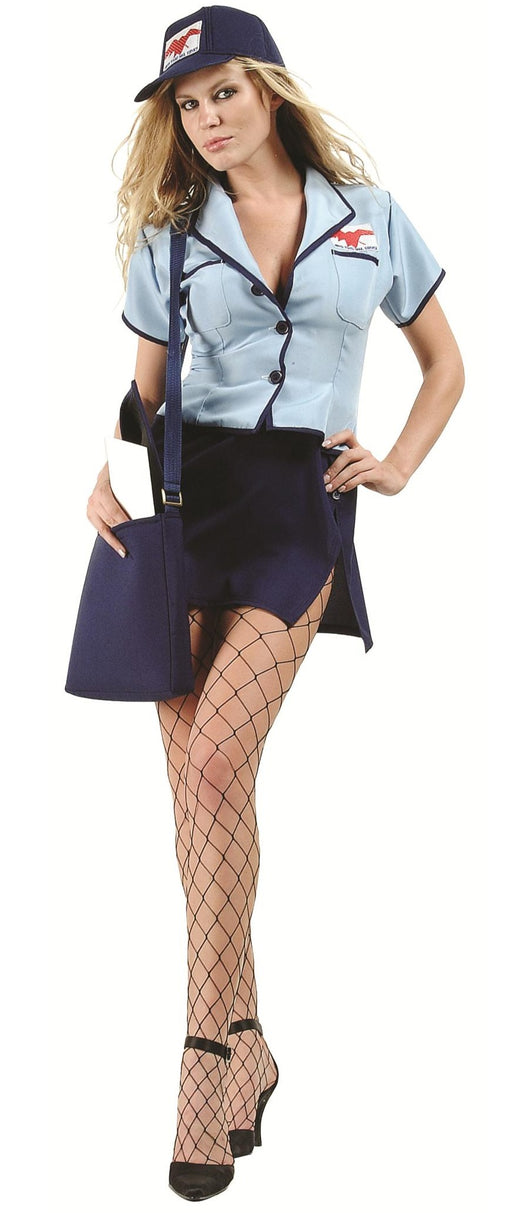
Sexy Post Office Girl | Costume-Shop.com
In stock
Attention all aspiring letter carriers and mail enthusiasts! Prepare to deliver a package of seductive style and naughty charm with our Sexy Post O...
View full details
Original price
$27.95
-
Original price
$27.95
Original price
$27.95
$27.95
-
$27.95
Current price
$27.95


Original price
$110.95
-
Original price
$110.95
Original price
$110.95
$110.95
-
$110.95
Current price
$110.95
Northern Warrior Costume | Costume-Shop.com
Low stock
Upgrade your costume game to legendary status with the Northern Warrior Costume! Designed for rugged adventurers and fearless warriors of the North...
View full details
Original price
$110.95
-
Original price
$110.95
Original price
$110.95
$110.95
-
$110.95
Current price
$110.95


Original price
$66.95
-
Original price
$66.95
Original price
$66.95
$66.95
-
$66.95
Current price
$66.95
Sexy Police Officer Hottie | Costume-Shop.com
Low stock
🚓 Enforce Fun with a Dash of Flair! Step into the role of authority with the Sexy Police Officer Hottie Costume from www.Costume-shop.com. Designed...
View full details
Original price
$66.95
-
Original price
$66.95
Original price
$66.95
$66.95
-
$66.95
Current price
$66.95


Original price
$97.95
-
Original price
$97.95
Original price
$97.95
$97.95
-
$97.95
Current price
$97.95
Sexy Miss Claus Costume | Costume-Shop.com
Low stock
C170Sexy Miss Claus Costume Includes:Long Robe with Fur Trim Detail, Detachable Belt, & Shorts Material:Stretch Velvet Ships From:Los Angeles S...
View full details
Original price
$97.95
-
Original price
$97.95
Original price
$97.95
$97.95
-
$97.95
Current price
$97.95
Original price
$73.95
-
Original price
$73.95
Original price
$73.95
$73.95
-
$73.95
Current price
$73.95
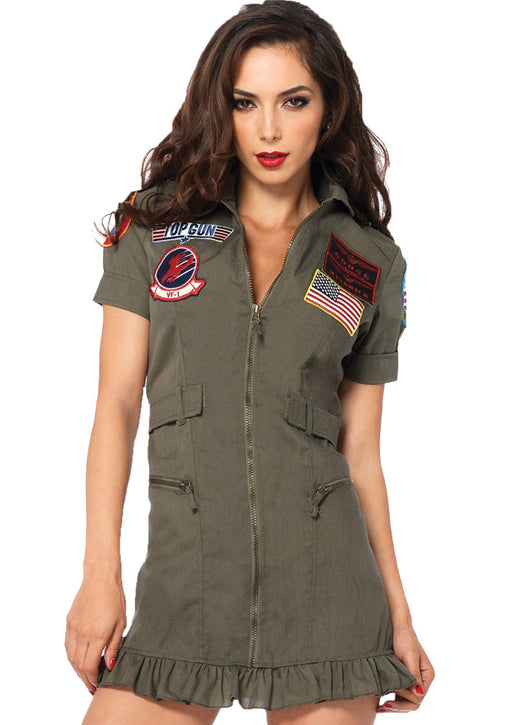
Top Gun Flight Dress | Costume-shop.com
In stock
✈️ Feel the Need for Speed! Elevate your costume game at your next party, Halloween event, or any gathering calling for a bit of high-flying action...
View full details
Original price
$73.95
-
Original price
$73.95
Original price
$73.95
$73.95
-
$73.95
Current price
$73.95
Leave a comment