
Cosplay Wig Styling Guide: Tips from the Pros
Cosplay Wig Styling Guide: Tips from the Pros
Whether you're gearing up for your first convention or you're a seasoned cosplayer ready to take your craft to the next level, cosplay wig styling is one of the most transformative skills you can add to your toolkit. A beautifully styled wig can elevate a costume from "pretty good" to "absolutely jaw-dropping" — and the good news is that with the right techniques and a little patience, anyone can learn to do it.
This guide covers everything you need to know about cosplay wig styling: from choosing the right fiber for your character to gravity-defying spikes, heat curling, and keeping your look intact through a full day on the convention floor. Let's dive in.
Choosing the Right Wig Fiber
Before you crack open a can of Got2b Glued, the most important styling decision you'll make is choosing the right wig material. Not all wig fibers are created equal, and picking the wrong one can mean frustration, ruined wigs, and wasted money.
Synthetic Fiber Wigs
Standard synthetic wigs are made from acrylic or nylon fibers and are by far the most common type used in cosplay. They come in an enormous range of colors — vivid purples, electric blues, pastel pinks — colors that would be difficult or impossible to achieve with natural hair. They're also significantly less expensive than human hair wigs.
The catch: Standard synthetic fibers cannot tolerate heat. Touching a flat iron or curling wand to standard synthetic will melt the fibers, create a frizzy, shiny crimp, or cause irreversible damage. If your character has naturally straight or already-styled hair, a standard synthetic wig is often your best bet. They hold their factory shape well and require minimal restyling out of the box.
Best for: Characters with straight, sleek, or already-styled looks — think Miku Hatsune's long twin tails, or any character with a bold, solid color and simple style.
Heat-Resistant Synthetic Wigs
Heat-resistant (HR) synthetic wigs are a game-changer for cosplay wig styling. Made from a modified synthetic fiber that tolerates temperatures up to around 280°F–350°F (137°C–176°C) depending on the brand, these wigs can be curled, waved, and straightened just like human hair — but they retain dye-ability options and come pre-colored in a wider range of fantasy shades.
The fiber responds to heat tools in a way standard synthetic doesn't, and once you curl or straighten it and let it cool, the style locks in place. This makes heat-resistant wigs ideal for complex styles with loose curls, waves, or elaborate layered cuts.
Best for: Characters with curly, wavy, or layered styles; cosplayers who want the flexibility to restyle the same wig for multiple characters.
Human Hair Wigs
At the top of the quality ladder are human hair wigs. They look and feel incredibly natural, can be dyed, bleached (with care), heat styled repeatedly at higher temperatures, and hold updos and braids with ease. The tradeoff is cost — a quality human hair wig can run anywhere from $100 to several hundred dollars — and they require more maintenance.
For most cosplay applications, a good heat-resistant synthetic is the sweet spot between versatility and affordability. However, if you're building a heirloom-quality costume for professional photoshoots or competition, human hair is worth the investment.
Best for: Competition cosplay, professional shoots, realistic characters with natural hair colors and textures.
> Shop tip: The Costume Shop carries a wide selection of both standard synthetic and heat-resistant cosplay wigs. Always check the product description for "heat-resistant" or "HR" before reaching for a styling tool.
Essential Cosplay Wig Styling Tools and Supplies
Having the right equipment makes cosplay wig styling infinitely easier and produces far better results. Here's your starter kit:
The Must-Haves
- Wig head / foam head mannequin — Absolutely essential. You cannot properly style a wig while holding it or wearing it. A foam mannequin head keeps the wig stable, lets you work both hands, and gives you a realistic shape to style around. Get a few — you'll want one for display and storage, too.
- T-pins — Use these to pin the wig securely to your foam head while styling. They hold without damaging the wig cap or fibers.
- Wide-tooth comb — For detangling and rough shaping without causing breakage.
- Rat-tail comb — The pointed tail is perfect for creating precise parts, sectioning, and teasing fibers for volume.
- Wig brush (loop bristle brush) — Unlike regular brushes, wig brushes are designed to work through synthetic fibers without generating static or pulling out wefts.
- Sharp hair-cutting scissors — Do not use craft scissors on wigs. Hair scissors make clean cuts that prevent split or frayed ends.
- Thinning shears — For removing bulk and creating natural-looking layers without blunt cutting lines.
- Measuring tape and clips — For consistent trimming and sectioning.
For Heat Styling
- Flat iron / straightening iron — For HR and human hair wigs. Look for one with adjustable temperature settings; you'll rarely want to go above 300°F on synthetic.
- Curling iron or wand — Barrel size determines curl size. Smaller barrels (3/4" to 1") create tight ringlets; larger barrels (1.5" to 2") create loose waves.
- Heat protectant spray — Even heat-resistant synthetic benefits from a light spritz of heat protectant to reduce frizz and extend the life of the fibers.
- Spray bottle with water — Dampening fibers slightly before heat styling can help them take the style more readily.
For Spiking and Sculpting
- Got2b Glued Blasting Freeze Spray — The holy grail of cosplay wig styling. This ultra-strong hairspray is the go-to product for holding spikes, dramatic shapes, and gravity-defying styles on synthetic fibers.
- Got2b Glued Styling Gel — The gel formula works alongside the spray for sculpting thick spikes and precise shapes before the spray locks everything in place.
- Elmers Washable School Glue or white PVA glue — Diluted with water, this is a budget-friendly alternative to Got2b for initial spiking scaffolding. It washes out, which makes it great for prototyping your style before committing.
- Hair dryer — A must for setting spikes and speeding up drying time on styled sections.
- Wire armature or floral wire — For truly extreme gravity-defying styles (think Goku or Yugi Mutou from Yu-Gi-Oh!), internal wire support is often necessary.
Basic Cosplay Wig Styling Techniques
Trimming and Cutting
Most cosplay wigs come longer than the final character's hair length. Trimming is one of the most common and most nerve-wracking tasks for new wig stylists. Here's how to approach it confidently:
Step 1: Put the wig on your foam mannequin head and secure it with T-pins through the ear tabs and nape of the wig cap.
Step 2: Comb the wig out fully before cutting anything. Tangles create uneven results.
Step 3: Work in small sections. Clip away sections you're not cutting to keep them out of the way.
Step 4: Always cut less than you think you need. You can always trim more — you cannot undo a cut.
Step 5: Use point-cutting (cutting into the ends at an angle rather than straight across) to create a more natural, textured edge rather than a blunt, wig-looking line.
Thinning and Layering
Many cosplay wigs come very thick — which is great for drama but can look unnatural or heavy for certain characters. Thinning shears are your best friend here.
Work through the interior sections of the wig, using the thinning shears to remove 20–30% of the bulk without changing the overall shape. Hold sections horizontally and make cuts in the middle of the section, not at the ends. Check frequently by shaking the wig out and letting it fall naturally.
For layered styles, section the wig horizontally, working from bottom to top. Trim each layer progressively shorter toward the top. The ratio between layers determines whether the style reads as subtle movement or dramatic layers — study reference images of your character closely before committing.
Heat Styling: Curling, Waving, and Straightening
Heat styling opens up a world of possibilities for cosplay wig styling — but only on heat-resistant or human hair wigs. Always test on a small, hidden section first.
How to Curl a Cosplay Wig
Step 1: Set your iron to 250°F–280°F for HR synthetic (never exceed the manufacturer's recommendation). Preheat fully before starting.
Step 2: Divide the wig into sections and clip away what you're not working on.
Step 3: Lightly mist the section you're curling with water or heat protectant spray.
Step 4: Wrap the section around the curling wand, holding at the end closest to the scalp and spiraling down toward the tip. For curls that frame the face, curl away from the face; for vintage-style curls, curl toward the face.
Step 5: Hold for 8–12 seconds, then gently slide the curl off the wand. Cup it in your hand while it cools — this is critical. Unlike human hair, synthetic fibers must cool completely in the curled shape to set permanently. Let go too soon and the curl will fall out.
Step 6: Once fully cooled, gently separate the curls with your fingers (not a comb) for a more natural look. Finish with a light mist of Got2b Freeze Spray to hold.
How to Straighten a Cosplay Wig
Work in small sections, passing the flat iron from root to tip in one smooth, slow motion. Avoid stopping mid-section, which can cause a kink. Keep tension on the hair with your other hand as you pass the iron through.
Advanced Techniques: Spiking and Gravity-Defying Styles
This is where cosplay wig styling really becomes an art form. Anime spikes, wild manes, sculptural fantasy hair — these iconic looks are achieved through a combination of product, patience, and sometimes internal support.
Basic Spiking with Got2b
Step 1: Separate the section of hair you want to spike. Work with one spike at a time for control.
Step 2: Apply Got2b Glued Styling Gel to the section, distributing it thoroughly from root to tip.
Step 3: Use your fingers and a rat-tail comb to sculpt the spike into position — pinching the tip to a sharp point, fanning the base for a dramatic silhouette.
Step 4: Hold the spike in position and hit it with your hair dryer on medium heat until the gel dries and sets. Keep holding until it's dry — the moment you let go, gravity wants to win.
Step 5: Once the gel is dry, lock the spike permanently with several passes of Got2b Freeze Spray. Allow to dry fully between coats.
Step 6: Repeat for each spike. Build your spikes from the base of the head upward so later spikes don't disturb earlier ones.
Gravity-Defying Styles with Wire Support
For truly extreme styles — spikes pointing horizontally or upward at steep angles, large sculptural shapes — Got2b alone often isn't enough.
Step 1: Cut lengths of floral wire or thin gauge craft wire. Fold each piece in half for strength.
Step 2: Use needle and thread to stitch the wire base into the wig cap or weft at the base of the spike, or attach it with a few loops of thin thread around the wire and weft.
Step 3: Fan the wig fibers over the wire, arranging them to hide the armature completely.
Step 4: Apply Got2b gel over the fibers and mold them to the wire shape. Dry with a hair dryer and finish with freeze spray.
Step 5: Check for wire ends poking through — bend them back and cover with a small amount of extra fiber if needed.
This technique is how convention-circuit cosplayers achieve those incredible Yugi Mutou tri-color manes, Goku Super Saiyan spikes, and elaborate fantasy hair crowns that defy physics.
Adding Wefts for Volume
Sometimes a wig just doesn't have enough hair to achieve the character's voluminous mane. Adding extra wefts solves this.
Purchase clip-in weft extensions in a matching color (or close enough to blend after teasing). Open the wig cap seam in the area where you want more volume — typically at the crown or sides. Use a needle and thread to sew the weft into the cap, then close the seam back up. Blend the new weft with the existing fibers using a wide-tooth comb, then style as normal.
Wig Caps and Securing Methods
Your wig is only as good as its foundation. A wig that slips or shifts mid-convention is a styling emergency waiting to happen.
Wig Caps
Wear a wig cap underneath every time. Wig caps serve several purposes: they flatten and contain your natural hair, create a smooth surface for the wig to sit on, and help the wig grip more securely. Options include:
- Nylon stocking caps — thin, breathable, and suitable for most hair lengths
- Dome-style wig caps — slightly thicker, great for shorter hair
- Lace-front wig caps — essential under lace-front wigs for a seamless hairline
Match your wig cap color to either your natural hair or your skin tone, depending on whether your hairline will be visible.
Securing Your Wig
For most conventions, wig clips sewn into the wig cap and bobby pins through the cap into your real hair underneath provide solid security. For more active wear or lengthy events:
- Wig tape / toupee tape — double-sided tape along the hairline for a firm hold
- Got2b Glued Spray on your wig cap — yes, this product does double duty; a light spritz on your nylon cap before placing the wig creates extra grip
- Bobby pins through ear tabs — cross two bobby pins over each tab and into your hair beneath for extra anchor points at the sides
Convention-Day Maintenance Tips
You've styled the perfect wig — now you need to keep it looking that way for eight or more hours on a convention floor.
Pack a wig care kit: Bring a small zipper pouch with a travel-size wig brush, a few bobby pins, a mini can of Got2b Freeze Spray, a rat-tail comb, and extra T-pins. You'll thank yourself when a spike starts drooping after lunch.
Avoid humidity: Heat and humidity are a synthetic wig's worst enemies, especially for styled pieces. If you're at an outdoor event or in a humid environment, touch up with freeze spray throughout the day.
Spot fix, don't overbrush: When pieces get disheveled, target the affected section directly rather than brushing the whole wig. Overbrushing a styled wig destroys the work you put in.
Stay mindful of your headspace: Literally — be aware of low doorways, cosplayers doing dramatic poses nearby, and anything that could catch on large spikes or flowing pieces. It sounds silly until a stranger's weapon prop clips your elaborate style.
Take photos early: Convention lighting in the morning is often better, and your wig looks its freshest at the start of the day. Get your photos in early before the day's wear shows.
Storage and Care: Making Your Wig Last
A well-made cosplay wig can last years with proper care. Here's how to protect your investment:
After every wear:
- Gently detangle the wig with a wide-tooth comb, working from ends to roots
- If product buildup is heavy, wash the wig by swishing it in cool water with a small amount of wig shampoo or gentle dish soap — never hot water, which can damage synthetic fibers
- Pat dry with a towel; never wring or rub
- Allow to air dry on a wig head — never a hair dryer on high heat unless you're intentionally restyling
Long-term storage:
- Store wigs on a foam wig head or in a hairnet inside a clean box or bag
- Keep out of direct sunlight, which fades color over time — especially vivid synthetic shades
- If storing styled wigs with spikes, make a lightweight box support structure to protect the spikes from being crushed
- Label your storage if you have multiple wigs — future-you will appreciate it
For wigs with Got2b product in them: Got2b can be washed out with warm water and gentle shampoo. If you're restyling the wig later, washing first gives you a clean base to work from.
Level Up Your Cosplay Game
Cosplay wig styling is one of those skills that compounds over time — your second wig will look better than your first, your fifth better than your third. The most important thing is to practice on wigs you're not emotionally attached to before working on your hero piece. Thrift store wig finds and cheap fashion wigs make great practice subjects.
The community is also one of the best resources you have. Cosplay forums, YouTube tutorials, and convention meetups are full of experienced stylists who love sharing their tricks. Don't be afraid to ask questions or show your work in progress — most cosplayers remember their first wonky spike fondly.
At The Costume Shop, we stock everything you need to get started: a wide range of cosplay wigs in standard and heat-resistant synthetic, wig caps, foam heads, and styling accessories. Whether you're building your first look or your fiftieth, we're here to help you bring your character to life. Browse our full selection at thecostumeshop.com and find the perfect base for your next build.
Now grab your T-pins, crank up the Got2b, and go make something amazing.
Have a wig styling tip we missed? Drop it in the comments — we love learning from our community.
Featured collection
Original price
$28.00
-
Original price
$28.00
Original price
$28.00
$28.00
-
$28.00
Current price
$28.00
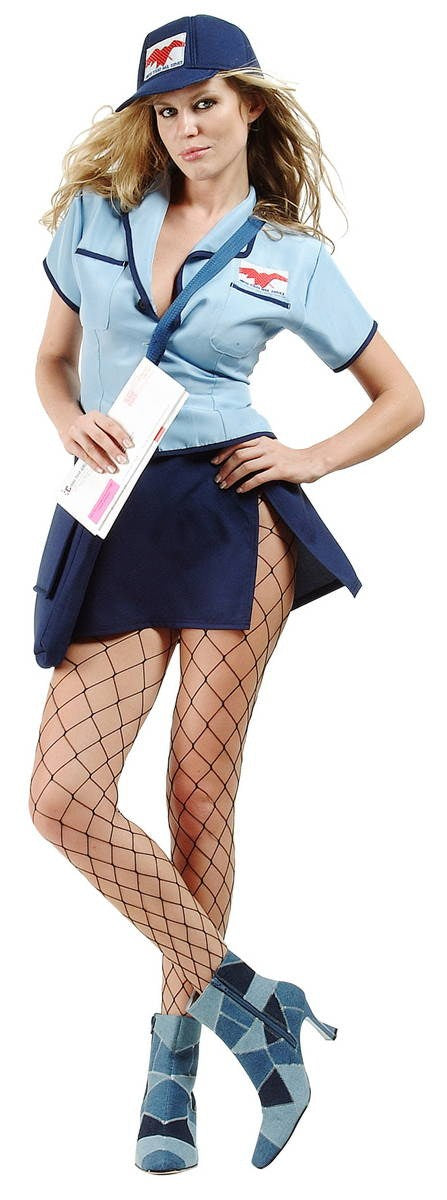
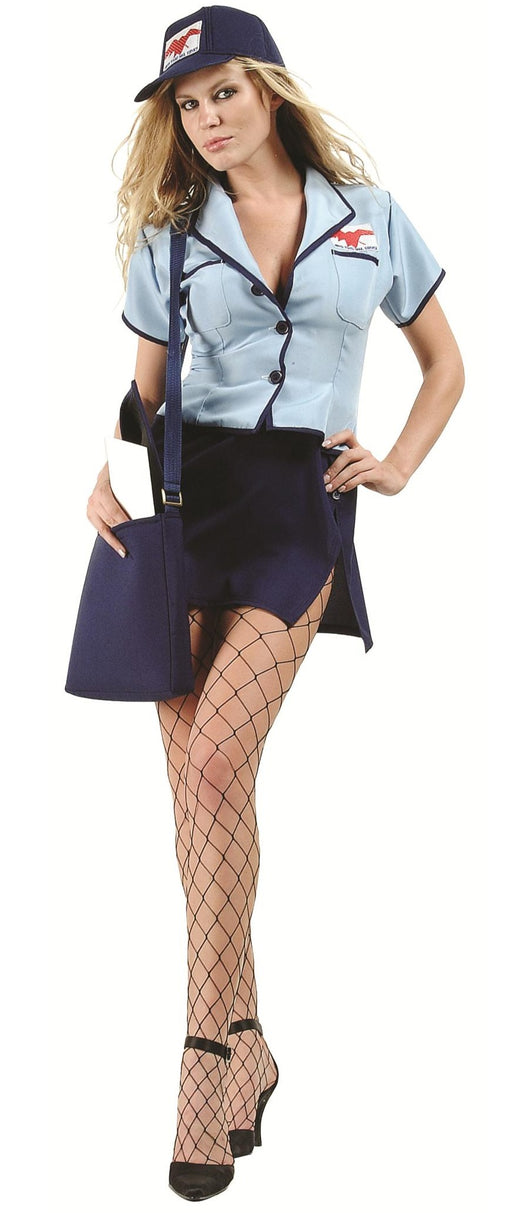
Sexy Post Office Girl | Costume-Shop.com
In stock
Attention all aspiring letter carriers and mail enthusiasts! Prepare to deliver a package of seductive style and naughty charm with our Sexy Post O...
View full details
Original price
$28.00
-
Original price
$28.00
Original price
$28.00
$28.00
-
$28.00
Current price
$28.00


Original price
$110.60
-
Original price
$110.60
Original price
$110.60
$110.60
-
$110.60
Current price
$110.60
Northern Warrior Costume | Costume-Shop.com
Low stock
Upgrade your costume game to legendary status with the Northern Warrior Costume! Designed for rugged adventurers and fearless warriors of the North...
View full details
Original price
$110.60
-
Original price
$110.60
Original price
$110.60
$110.60
-
$110.60
Current price
$110.60

Original price
$33.60
-
Original price
$33.60
Original price
$33.60
$33.60
-
$33.60
Current price
$33.60
Sailor's Delight | Costume-Shop.com
Low stock
🚢 Navigate the High Seas of Fashion! Command attention at your next party with the Sailor's Delight Costume from www.Costume-shop.com. Perfect for ...
View full details
Original price
$33.60
-
Original price
$33.60
Original price
$33.60
$33.60
-
$33.60
Current price
$33.60


Original price
$97.86
-
Original price
$97.86
Original price
$97.86
$97.86
-
$97.86
Current price
$97.86
Sexy Miss Claus Costume | Costume-Shop.com
Low stock
C170Sexy Miss Claus Costume Includes:Long Robe with Fur Trim Detail, Detachable Belt, & Shorts Material:Stretch Velvet Ships From:Los Angeles S...
View full details
Original price
$97.86
-
Original price
$97.86
Original price
$97.86
$97.86
-
$97.86
Current price
$97.86
Original price
$79.73
-
Original price
$93.24
Original price
$79.73
-
$93.24
$79.73
-
$93.24
Current price
$79.73
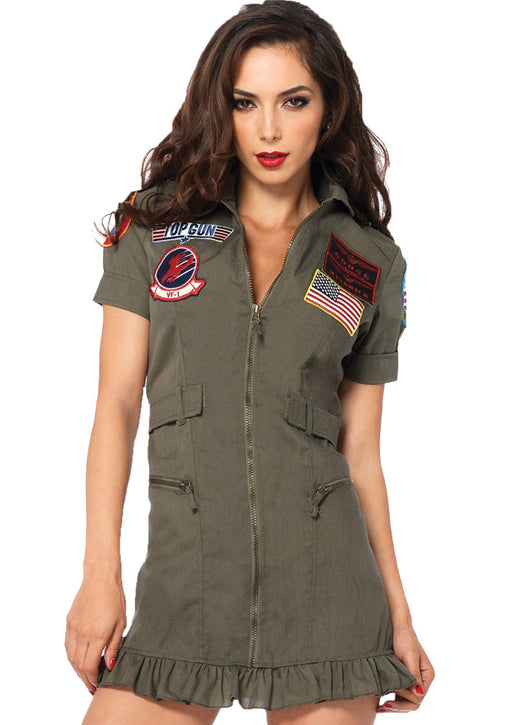
Top Gun Flight Dress | Costume-shop.com
In stock
✈️ Feel the Need for Speed! Elevate your costume game at your next party, Halloween event, or any gathering calling for a bit of high-flying action...
View full details
Original price
$79.73
-
Original price
$93.24
Original price
$79.73
-
$93.24
$79.73
-
$93.24
Current price
$79.73