Expert Support
Available 24/7 via chat
Available 24/7 via chat
Available 24/7 via chat
Available 24/7 via chat
Not all masquerade masks are the same. Some are made for formal balls (comfortable enough to wear for hours), while others are built for dramatic photos and theatrical looks.
In this guide, we’ll break down the most common types of masquerade masks, explain what each style is best for, and share practical tips so you can pick a mask that looks great and feels good.
Quick shopping tip: If you already know you want to browse options, start here: our masks collection.
If you’re going to a masquerade ball, formal party, prom-themed event, or a dinner where you’ll be talking a lot, an eye mask is usually the best place to start. It gives you the classic mysterious look without blocking your mouth or making it hard to breathe.
Best for: Long events, dinner + dancing, first-time mask wearers, glasses wearers (often).
Style tip: Match your mask’s finish (matte, metallic, glitter) to your outfit hardware (belt buckles, jewelry, shoes) for a “planned” look.
Example: a clean, classic option like a black Venetian mask pairs well with almost any color palette.

When people picture “masquerade,” they’re often imagining Venetian carnival masks—more decorative, sometimes more sculpted, and designed to feel like an event piece.
Best for: Masquerade balls, themed parties, Mardi Gras-style events, photo ops.
What to watch: Make sure the eye openings align with your face and that the mask sits comfortably on your cheekbones (especially if you’ll be wearing it for multiple hours).
Want a bolder look? A Venetian carnival mask is a great “centerpiece” accessory.

Jester masks bring instant character. They’re ideal when your outfit is theatrical, your event is more party than formal ball, or you want something that stands out in group photos.
Best for: Costume parties, themed birthdays, Halloween masquerade crossovers, group looks.
Example: a jester Venetian mask works especially well with capes, velvet, and high-contrast color palettes.

Filigree masks (often metallic-looking with cut-out patterns) are one of the most comfortable options for a long night. They feel lighter and usually allow better airflow than thicker full-face designs.
Best for: Dancing, crowded events, warmer venues, people who don’t like “face coverage.”
Full-face masks are striking, but they’re not always the most practical. If you’ll be eating, drinking, or talking a lot, you may prefer an eye mask instead.
Best for: Shorter events, performance looks, photoshoots, high-drama costumes.
Comfort checklist:
If you’ll keep it on most of the night, prioritize comfort. If you’ll only wear it for photos and a few dances, you can choose a more dramatic option without regretting it later.
A masquerade mask is an accessory—but it often becomes the focal point. Here are a few easy outfit pairings that look intentional without being complicated:
A masquerade mask is a decorative mask worn to conceal part (or all) of the face, traditionally associated with Venetian masquerade balls. Today, it’s used for themed parties, formal events, costumes, and photoshoots.
Often, yes—especially with lighter eye masks. The key is making sure the mask doesn’t press on your frames and that the eye opening shape doesn’t interfere with your lenses.
Focus on comfort and practicality: breathable materials, a secure strap or ties, and clear visibility. When in doubt, start with an eye mask style.
Ready to pick your look? Browse all masks and choose a style that fits your event.
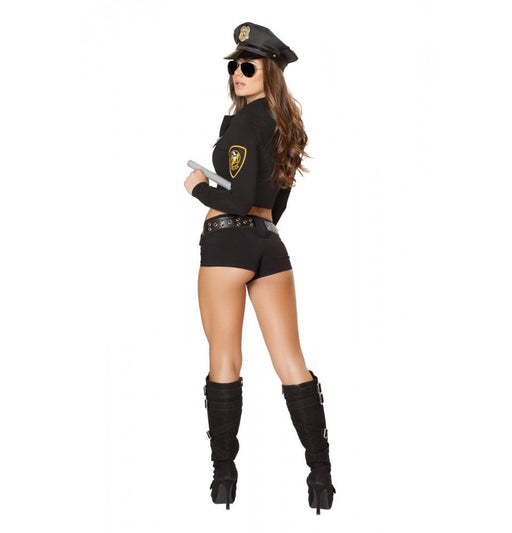
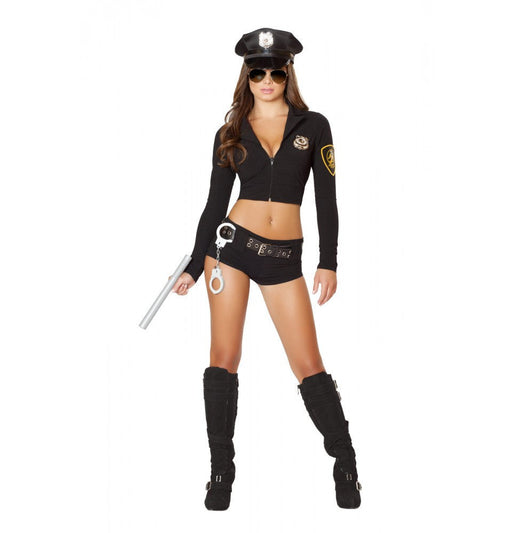
🚓 Enforce Fun with a Dash of Flair! Step into the role of authority with the Sexy Police Officer Hottie Costume from www.Costume-shop.com. Designed...
View full detailsBe the Cutest Bug on the Block with the Women's Daisy Bug Costume! 🐞🌼 Get ready to charm everyone this Halloween with our Women's Daisy Bug Costume...
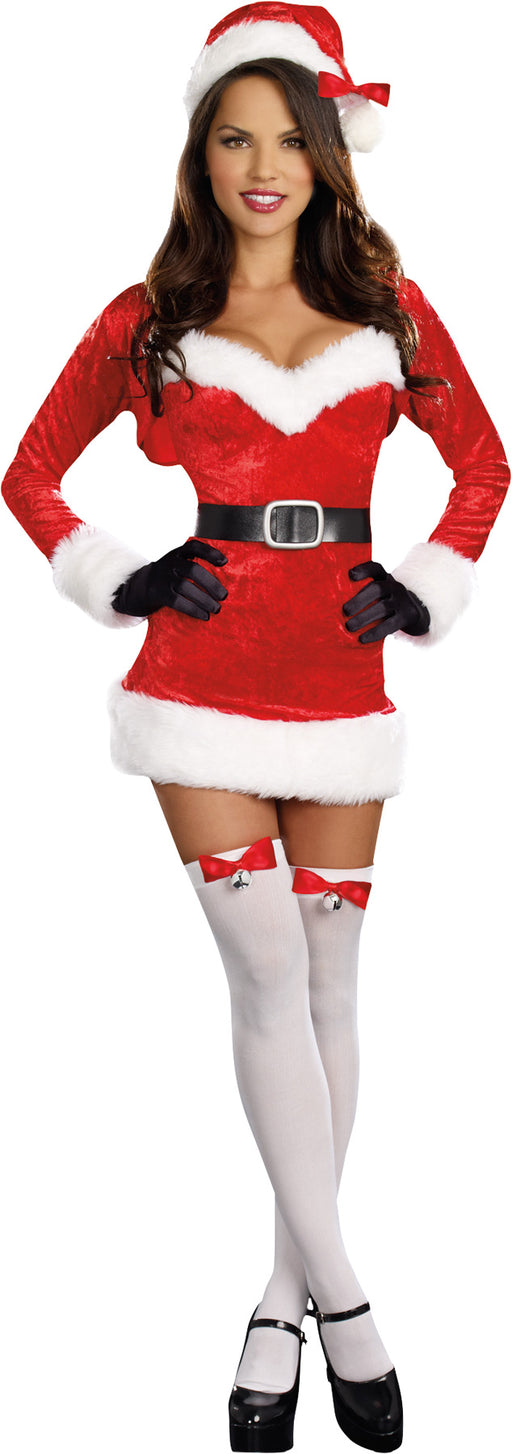
View full detailsGet ready to add some extra sizzle to the holiday season with our Santa Baby Costume! This festive and flirtatious ensemble is perfect for those wh...
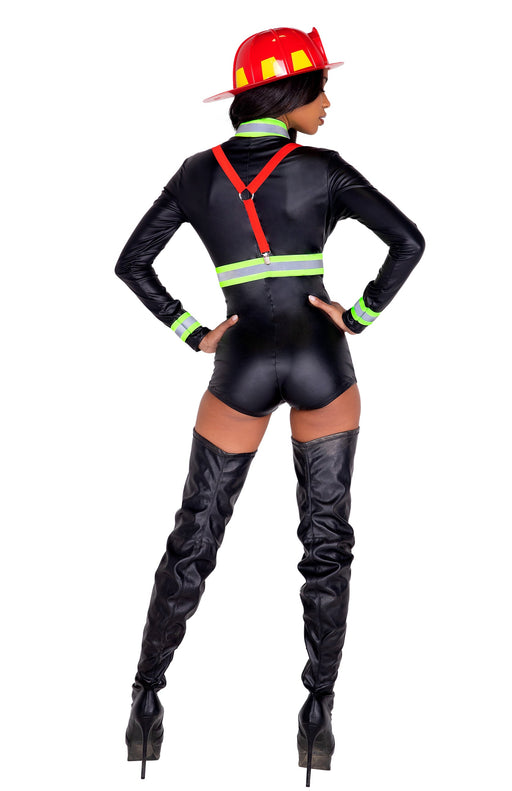
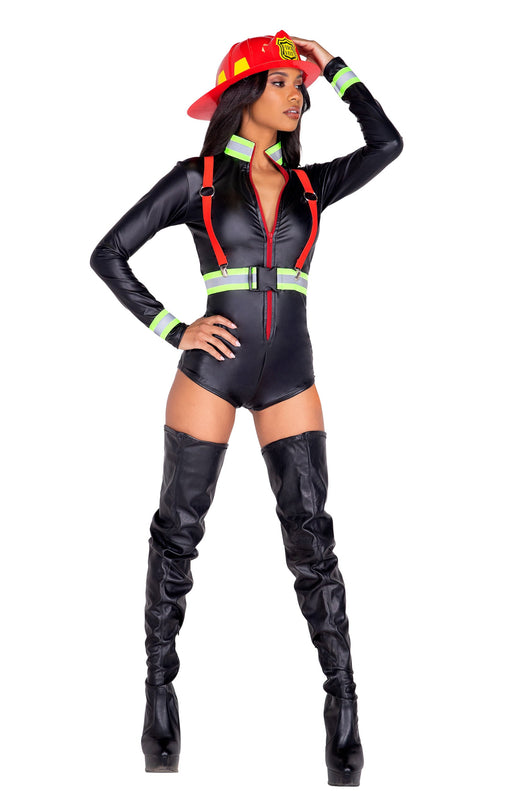
View full details🔥 Step Into the Role of a Heroine! Turn up the temperature and take charge with the Blazing Trails Firefighter Costume from . Perfect for themed pa...
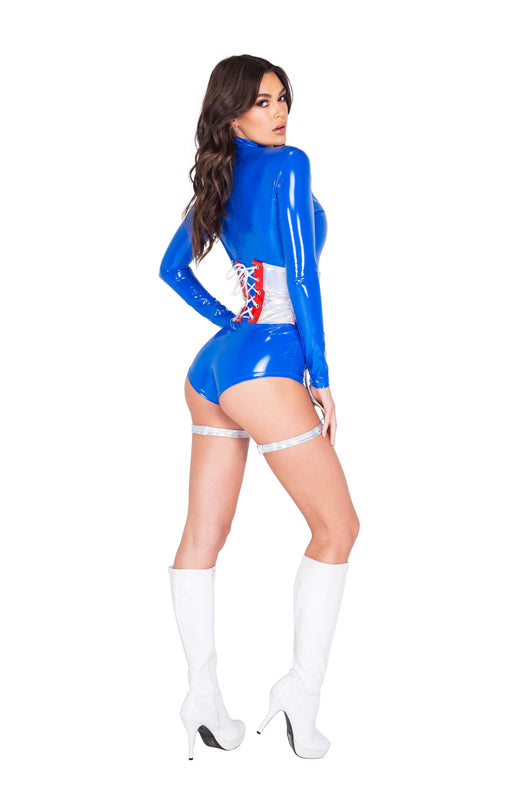
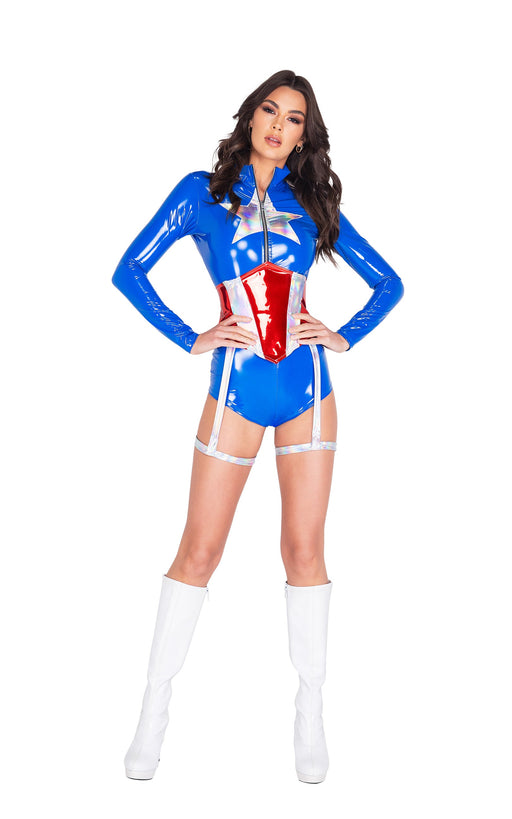
View full details🦸 Embody the Spirit of a Hero! Take command of your next costume event with America’s Superhero Captain Costume from . This daring ensemble is perf...
View full details