
Renaissance Faire Costume Guide: What to Wear and How to Prepare
Renaissance Faire Costume Guide: What to Wear and How to Prepare
There's nothing quite like stepping through the gates of a Renaissance Faire for the first time. The smell of roasted turkey legs, the sound of lutes and drums, the sight of knights jousting in full armor—and everywhere you look, people dressed in magnificent period costumes. If you're planning your first (or fiftieth) visit to a ren faire, you might be wondering: what should I wear?
Whether you're aiming for historical accuracy or just want to look the part while munching on a giant pickle, this comprehensive guide will walk you through everything you need to know about Renaissance Faire costumes. From budget-friendly closet cosplay to elaborate character creations, we've got you covered.
What is a Renaissance Faire?
Renaissance Faires (also spelled Renaissance Festivals or affectionately called "ren faires" or "ren fests") are outdoor festivals that celebrate the culture, art, and entertainment of the European Renaissance period, typically focused on 16th-century England. These immersive events recreate medieval villages complete with artisan shops, theatrical performances, jousting tournaments, food vendors, and games.
Most Renaissance Faires in the United States run on weekends from March through November, with each faire typically spanning 6-10 weekends. They're family-friendly events where visitors can watch live entertainment, shop for handmade crafts, enjoy period-inspired food and drink, and interact with costumed performers who stay in character throughout the day.
The beauty of ren faires is that they welcome everyone—from history enthusiasts seeking authentic period dress to fantasy fans wearing fairy wings and elf ears. It's a judgment-free zone where creativity and fun take center stage.
Renaissance Faire Dress Code — What's Expected?
Here's the good news: most Renaissance Faires don't have a strict dress code for attendees. You can absolutely show up in jeans and a t-shirt, and no one will turn you away. However, dressing up significantly enhances the experience and helps you feel like part of the living history around you.
The costume spectrum at ren faires typically ranges from:
Casual Modern Wear: Regular clothes are perfectly acceptable, especially for first-timers who want to test the waters. You'll see plenty of people in everyday attire, particularly on hot days.
Renaissance-Adjacent: This might include wearing a peasant blouse with jeans, adding a corset over modern clothes, or accessorizing with a flower crown or leather belt. It's a low-effort way to feel more festive.
Partial Period Costume: Many attendees mix and match period pieces—perhaps a full Renaissance dress with modern boots, or period-style pants with a regular shirt. This is probably the most common approach.
Full Period Costume: These attendees commit fully to historical or fantasy characters, from head to toe. You'll see elaborate gowns, full armor, complete peasant ensembles, and everything in between.
Fantasy and Anachronistic: Ren faires embrace creative interpretation! Pirates, fairies, steampunk characters, elves, and other fantasy elements are welcome, even if they're not historically accurate to the Renaissance period.
The key takeaway? Dress for your own comfort and enjoyment. The faire community is incredibly welcoming, and the only "wrong" outfit is one that makes you uncomfortable or prevents you from having fun.
Character Archetypes and What to Wear
One of the most enjoyable aspects of choosing a renaissance faire costume is selecting a character archetype. Here are the most popular options, complete with outfit breakdowns:
Noble/Royalty
If you want to make a grand entrance, go noble! Queens, kings, lords, and ladies wear the most elaborate and luxurious costumes at the faire.
For Women: Full-length gowns in rich fabrics like velvet, brocade, or satin. Look for dresses with flowing sleeves, ornate bodices, and decorative trim. Many noble gowns feature a fitted bodice that laces up the front or back, with a full skirt supported by a petticoat or bum roll. Add a jeweled necklace, ornate hair pieces, and perhaps a crown or circlet to complete the regal look.
For Men: Doublets (fitted jackets) paired with breeches, tights or hose, and often a cape or cloak. Nobles favor rich colors like deep burgundy, royal blue, or forest green. Add a feathered cap, decorative belt, and leather boots to complete the ensemble.
Pro Tip: Noble costumes are stunning but can be heavy and warm. If you're attending a faire during hot weather months, consider lightweight fabrics or save the full regalia for cooler days.
Peasant
The peasant costume is the Renaissance Faire workhorse—comfortable, practical, affordable, and absolutely authentic. Peasants were the majority of the population during the Renaissance, so you'll be in good company!
For Women: An ankle-length or calf-length skirt in earth tones (brown, tan, olive, rust) paired with a simple chemise or peasant blouse. Add a bodice or vest, an apron for authenticity, and a leather belt. Keep accessories simple—perhaps a flower crown, simple leather pouch, or a shawl.
For Men: Loose-fitting tunic or shirt (often in linen or cotton), paired with simple breeches or pants that end just below the knee. Add a leather belt, plain boots or sturdy shoes, and perhaps a simple vest. A straw hat or simple cap completes the look.
Why Choose Peasant: These costumes are the most practical for all-day wear. They're comfortable, allow for movement, and work well in various weather conditions. Plus, they're often the most budget-friendly option.
Pirate
While not technically Renaissance-period accurate, pirates are hugely popular at ren faires and fully embraced by the community. Who doesn't want to say "Arrr!" while drinking mead?
For Women: Peasant blouse or chemise, paired with a corset or bodice and either a skirt (often hiked up and tied) or breeches. Add a wide leather belt, tall boots, and plenty of accessories—bandana, tricorn hat, belt pouches, and costume jewelry. The key is to look a bit rough around the edges.
For Men: Loose white shirt (often unlaced at the chest), vest or coat, breeches or pants, and tall boots. Add a wide belt with a large buckle, bandana or tricorn hat, and accessories like a compass, rope, or toy cutlass. The more swashbuckling, the better!
Styling Tip: Pirates are all about the accessories. Layer on belts, pouches, scarves, and jewelry to create that "just sailed in from adventure" look.
Fairy/Fantasy
Ren faires are magical places where fantasy is welcome! Fairies, elves, woodland creatures, and other fantasy characters add whimsy to the festival atmosphere.
Key Elements: Start with earthy, flowing fabrics in jewel tones or natural colors. Layer different textures like lace, chiffon, and velvet. Add wings (fairy wings are sold at most faires), elf ears, flower crowns, ribbons in your hair, and nature-inspired accessories. Face paint, glitter, and creative makeup are encouraged.
Mix and Match: Many fairy costumes start with a basic peasant or noble foundation and then add fantastical elements. Think of it as Renaissance meets enchanted forest.
Knight/Warrior
For those who want to embody strength and valor, a knight or warrior costume makes a powerful statement.
Full Armor: While authentic metal armor is expensive and heavy, many costumes include faux armor pieces made from foam, leather, or molded plastic that look convincing but are much more comfortable for all-day wear.
Practical Warrior: Chainmail shirt or vest (real or costume), paired with breeches, boots, and a tunic in your chosen colors. Add leather gauntlets, bracers, and a belt to hold your (foam or wooden) sword. A helmet or coif completes the look.
Female Warriors: Women can absolutely rock warrior costumes! Look for fitted armor pieces, chainmail, leather vests, and practical pants or leggings with boots. Add a sword, shield, or bow to establish your martial prowess.
Merchant/Artisan
If you want a costume that suggests a trade or profession, consider dressing as a merchant, baker, blacksmith, or artisan. These characters wore practical clothes with specific accessories related to their trade.
Base Outfit: Start with a peasant foundation—simple tunic or chemise, skirt or breeches, and practical boots. Add an apron (essential for merchants and craftspeople), a money pouch, and accessories that suggest your trade—perhaps a wooden spoon for a cook, or tools for a blacksmith.
Details Matter: Merchants often wore slightly nicer clothing than peasants but nothing as elaborate as nobility. Think middle-class comfort with practical embellishments.
Tavern Wench/Barmaid
One of the most popular character choices, particularly for women, is the tavern wench or barmaid—a fun, flirty character that's comfortable and playful.
Classic Look: A peasant blouse (often worn off-the-shoulder), a corset or bodice laced over the blouse, and a skirt (often hiked up to show a petticoat underneath). Add an apron, comfortable boots, and style your hair in braids or loose waves. Accessorize with a ale stein, tray, or basket.
Comfort Note: This costume is particularly practical for hot days since the off-shoulder blouse and shorter skirt length provide good airflow while still looking authentically period.
Essential Costume Pieces
Regardless of which character archetype you choose, certain foundational pieces appear across most Renaissance Faire costumes. Understanding these essentials helps you build a versatile wardrobe that can be mixed and matched for different looks.
Chemise/Blouse
The chemise (for women) or shirt (for men) is the foundation garment for almost every Renaissance costume. Historically, this was the undergarment worn next to the skin.
For Women: Look for white or cream peasant blouses with elastic or drawstring necklines that can be worn on or off the shoulder. Long, flowing sleeves with elastic cuffs are traditional and comfortable. The chemise shows at the neckline and sleeves when you layer other pieces over it.
For Men: A loose-fitting white or cream shirt, often with lace-up closure at the neck. Billowy sleeves are traditional. This can be worn alone (peasant style) or under a doublet or vest (noble style).
Fabric Tips: Look for natural fibers like cotton or linen that breathe well. You'll likely be wearing this all day, often in warm weather, so comfort is key.
Corset/Bodice
Corsets and bodices are signature Renaissance pieces that define the silhouette of many faire costumes.
Overbust Corsets: These cover the bust and cinch at the waist, creating the classic Renaissance hourglass shape. They're worn over the chemise and can be laced in front or back.
Underbust Corsets: These sit below the bust and are slightly less restrictive. They work well over blouses or chemises.
Bodices: Similar to corsets but usually without boning, bodices are vest-like garments that lace up the front or back. They're more comfortable for beginners and allow for easier movement and eating.
Comfort Warning: If you're new to corsets, don't lace too tightly! You want to be comfortable for hours of walking, eating, and enjoying the faire. Break in your corset before the event if possible.
Skirts/Pants
Women's Skirts: Long, full skirts are the Renaissance standard. Look for ankle-length or floor-length skirts in solid colors or subtle patterns. Many faire-goers wear multiple skirts layered together, or a skirt over a petticoat for added volume. Skirts with an elastic waistband are easiest for beginners.
Men's Breeches: Traditional Renaissance breeches end just below the knee and are often worn with long socks or tights (hose). They typically have a button or tie closure. For a more comfortable modern alternative, many men wear knickers or even loose pants tucked into tall boots.
Practical Note: Avoid super tight or restrictive bottoms. You'll be doing a lot of walking, sitting on benches, and possibly kneeling to watch shows. Choose something with give.
Boots
Footwear can make or break your Renaissance Faire experience. You'll likely walk several miles throughout the day, often on uneven terrain.
Best Options: Leather boots (or leather-look boots) that hit mid-calf or knee-high are classic ren faire footwear. Make sure they're well broken-in before the faire! Ankle boots also work well. Many attendees wear modern hiking boots or comfortable leather shoes that blend in reasonably well.
What to Avoid: Skip the brand-new boots that haven't been broken in—blisters will ruin your day. Also avoid modern sneakers with obvious logos, flip-flops (safety and terrain issues), and high heels (unless you're only wearing them for photos).
Insider Tip: Bring moleskin or blister prevention patches just in case, and consider wearing moisture-wicking socks for comfort.
Accessories
Accessories truly bring a Renaissance costume to life and allow you to personalize your character. Here are the most popular options:
Belts: Wide leather belts (or leather-look belts) are both functional and period-appropriate. Use them to cinch dresses, hold up skirts or breeches, and attach pouches.
Pouches: Leave your modern purse at home and use a leather belt pouch or drawstring bag to carry your phone, wallet, and essentials. Bonus: it looks perfectly period!
Headwear: Flower crowns, circlets, crowns, leather headbands, feathered caps, simple cloth caps, bandanas, or medieval-style veils—headwear adds personality and keeps the sun off your face.
Jewelry: Chunky, ornate costume jewelry works beautifully for Renaissance costumes. Think large pendants, multiple bracelets, statement rings, and ornate earrings. Avoid anything obviously modern or delicate.
Cloaks and Capes: Useful for cooler weather and dramatic flair. A simple hooded cloak can transform any outfit.
Weapons/Props
Many Renaissance Faire costumes are enhanced by props that suggest your character's profession or personality.
Popular Props: Tankards or ale steins (bonus: you can actually use them!), swords and daggers (foam or wooden only—check faire weapon policies), staffs, wands, bows and arrows, shields, spell books, scrolls, baskets, or tools related to a trade.
Safety Note: Most faires have specific policies about weapons and props. Blunt edges, peace-bonded (secured in sheath), and child-safe are usually requirements. Check your faire's specific rules before bringing any props.
DIY vs Store-Bought — Pros and Cons
When building your renaissance faire costume, you'll face the choice between making pieces yourself or purchasing ready-made items. Here's how to decide what's right for you.
DIY/Homemade Costumes
Pros:
- Cost Savings: Making your own costume can be significantly cheaper, especially if you have basic sewing skills or shop at thrift stores
- Perfect Fit: Custom-made pieces fit your body exactly
- Creative Control: You choose every fabric, color, and detail
- Pride of Creation: There's real satisfaction in wearing something you made yourself
- Unique: Your costume will be one-of-a-kind
Cons:
- Time-Intensive: Sewing a full Renaissance costume can take 20-40+ hours
- Skills Required: You need at least basic sewing skills, or willingness to learn
- Initial Investment: Fabric, patterns, and notions add up, especially for elaborate costumes
- Trial and Error: First-time costume makers often make mistakes and need to start over
- No Instant Gratification: If the faire is next weekend, DIY probably isn't the answer
Best For: People with sewing experience, those on tight budgets but with time to spare, and costumers who enjoy the crafting process as much as the wearing.
Store-Bought/Ready-Made Costumes
Pros:
- Convenience: Order online or buy in-store, ready to wear
- Time-Saving: Instant costume with no construction required
- Professional Quality: Well-made costumes from specialized shops often look more polished than homemade
- Easy Returns/Exchanges: Size problems can usually be resolved
- Complete Packages: Many retailers offer complete costume sets with all pieces included
- Last-Minute Option: Perfect when the faire is coming up quickly
Cons:
- Higher Cost: Quality Renaissance costumes typically range from $80-$300+
- Less Customization: You're limited to available colors, styles, and sizes
- Common Designs: You might see others wearing similar costumes
- Fit Issues: Standard sizing doesn't work for everyone
- Quality Varies: Lower-priced costumes may use cheap fabrics or poor construction
Best For: First-time faire attendees who want to test the experience before investing time in DIY, people with limited sewing skills, or anyone who needs a costume quickly.
The Hybrid Approach
Many experienced faire-goers recommend a mix of both:
- Buy the Foundation: Purchase well-made core pieces like a good corset or chemise from specialty shops
- DIY the Details: Make your own skirt, accessorize with handmade items, or alter thrifted pieces
- Thrift Store Treasures: Find vests, skirts, boots, and accessories at secondhand shops and modify them to look more period-appropriate
- Build Over Time: Start with a simple bought costume and add DIY pieces each year
This approach gives you the convenience of ready-made core pieces while allowing creative expression and cost savings on the details.
Budget Guide: From Closet Cosplay to Full Kit
Renaissance Faire costumes can cost anywhere from nothing to thousands of dollars. Here's how to approach different budget levels:
$0-25: Closet Cosplay
Yes, you can create a Renaissance-appropriate look from items you likely already own!
Strategy: Shop your own closet and borrow from friends. Look for earth tones, simple silhouettes, and natural fabrics.
Women: White or off-white blouse + long brown or earth-toned skirt + any belt + sandals or boots. Add a scarf for your hair. Total cost: just accessories you might need to buy.
Men: White button-up shirt (worn loosely) + dark pants + belt + boots or closed-toe shoes. Add a vest if you have one.
Key Accessories (under $25): Visit craft stores or dollar stores for bandanas, rope for belts, fake flowers for crowns, and fabric pouches.
$25-75: Starter Faire Kit
This budget gets you some actual Renaissance-specific pieces that you'll use for years.
Shopping List:
- Peasant blouse or chemise: $20-35
- Simple skirt or breeches: $15-30
- Basic belt: $10-20
- Thrifted boots or shoes: $15-25
- Accessories from closet or craft store: $5-15
Where to Shop: Amazon, eBay, Etsy budget sellers, thrift stores, and seasonal costume shops after Halloween.
Pro Tip: Focus on one or two quality foundational pieces and build around them with cheaper accessories.
$75-150: Solid Faire Costume
At this price point, you can get a complete, good-quality costume that will last multiple seasons.
What to Expect:
- Quality chemise or peasant blouse: $30-45
- Corset or bodice: $40-60
- Skirt or complete bottom: $25-40
- Better-quality belt and pouch: $15-25
- Decent boots or shoes: $30-50
- Hair accessories and jewelry: $10-20
Shopping Strategy: Look for Ren Faire costume packages from specialized costume shops, including our full costume collection. Many shops offer complete ensembles at this price point that include multiple pieces.
$150-300: Premium Costume
This investment gets you a truly impressive costume with beautiful fabrics, excellent construction, and long-lasting quality.
Components:
- High-quality custom or semi-custom chemise: $50-80
- Well-constructed corset with steel boning: $80-120
- Beautiful skirt or elaborate breeches: $50-80
- Quality leather boots: $60-100
- Premium accessories, belt, and pouches: $30-60
- Cloak, cape, or specialty piece: $40-80
Why Invest: If you plan to attend multiple faires or Renaissance events, quality pieces pay for themselves through durability and comfort. Plus, they photograph beautifully and make you feel amazing.
$300+: Elaborate Character Costume
For those who want museum-quality historical accuracy or elaborate fantasy costumes, the sky's the limit.
What You Get: Custom-made gowns with hand-sewn details, authentic armor pieces, high-quality weapons and props, custom jewelry, and complete character wardrobes.
Worth It If: You're a serious Renaissance Faire enthusiast, historical reenactor, performer, or someone who wants an investment piece you'll treasure forever.
Couples Costumes: Consider coordinating with your partner! Browse our couples costumes collection for matching or complementary Renaissance character ideas.
Comfort Tips for All-Day Faire Wear
A beautiful costume won't be enjoyable if you're miserable wearing it. Here's how to stay comfortable during a full day at the faire:
Heat Management
Most Renaissance Faires run during warm months, and between crowds, sunshine, and physical activity, you can easily overheat.
Layer Strategically: Wear breathable layers you can remove. Start with a light chemise, add a corset or bodice you can unlace slightly, and choose skirts over heavy pants when possible.
Fabric Matters: Natural fibers like cotton and linen breathe much better than polyester or other synthetics. They may cost more but make a huge difference in comfort.
Cool Down Spots: Know where the shaded areas are at your faire. Take breaks under trees or in covered vendor areas. Many faires have misting stations—use them!
Hydration: Carry water! A leather bottle, flask, or tankard works great and looks period-appropriate. Dehydration can sneak up on you when you're having fun.
Sunscreen and Hats: Protect your skin. Wide-brimmed hats, flower crowns with brims, or head scarves provide shade. Apply sunscreen liberally, especially if you're wearing off-shoulder styles.
Walking Comfort
You'll cover serious miles at a Renaissance Faire—count on walking 3-5 miles or more throughout the day.
Break In Boots: Never, ever wear brand-new boots to a faire. Break them in with at least 10-15 hours of wear beforehand.
Quality Socks: Invest in good moisture-wicking socks. They prevent blisters and keep your feet happier.
Insoles: Add cushioned insoles to your faire boots for extra support, especially if you have high arches or flat feet.
Pace Yourself: You don't have to see everything in one day. Take breaks, sit down for shows, and listen to your body.
Food-Friendly Costumes
Half the fun of a ren faire is the food—turkey legs, meat pies, bread bowls, funnel cakes, and more!
Corset Consideration: Don't lace your corset super tight if you plan to eat. Leave enough room to breathe and digest comfortably. You can always tighten it for photos.
Napkin Accessibility: Faire food is often messy. Keep a handkerchief or small cloth tucked in your belt for quick cleanup.
Protect Light Fabrics: If you're wearing white or light-colored chemise, consider tucking a napkin into your neckline when eating messy foods.
Aprons Are Functional: There's a reason peasants and merchants wore aprons—they protect your costume from spills and stains.
Practical Comfort
Bathroom Considerations: Practice using the bathroom in your costume before you leave home! Long skirts need to be gathered and held, and some corsets complicate things.
Phone and Essentials: A good-sized belt pouch keeps your phone, money, and keys secure and accessible. Avoid carrying a modern purse if possible—it breaks the illusion and is less convenient.
Weather Backup: Check the forecast and bring a cloak or cape if rain is possible. Many faires run rain or shine.
First Aid: Tuck blister pads, pain reliever, and sunscreen in your pouch. Better to have it and not need it.
Where to Buy Renaissance Costumes
Finding the right Renaissance Faire costume depends on your budget, timeline, and desired quality level. Here are the best sources:
Online Specialty Shops
Dedicated Renaissance and medieval costume retailers offer the widest selection and best quality.
The Costume Shop: Our costume collection includes Renaissance and medieval-inspired pieces perfect for faire wear. We carry everything from starter peasant outfits to elaborate noble ensembles, plus a full selection of accessories including belts, pouches, crowns, and more.
Benefits: Detailed size charts, costume-quality fabrics, pieces designed specifically for ren faire wear, customer reviews, and often better prices than buying local.
What to Look For: Shops that specialize in historical costumes, have detailed product photos, clear return policies, and positive customer reviews.
Etsy and Independent Makers
Etsy is a treasure trove of handmade Renaissance costume pieces, from beautiful corsets to custom chemises.
Advantages: Support independent artists and makers, often more unique designs, possibility of custom sizing and colors.
Considerations: Lead times can be 2-8 weeks for handmade items, so plan ahead. Read reviews carefully and communicate with sellers about measurements.
Best For: Custom pieces, unique accessories, and finding exactly the right item to complete your costume.
Amazon and Large Retailers
For convenience and speed, major online retailers carry Renaissance Faire costumes and components.
Pros: Fast shipping (sometimes next-day), easy returns, competitive pricing, customer reviews.
Cons: Quality can vary wildly, sizing may be inconsistent, and very popular items mean you might see duplicates at the faire.
Shopping Tip: Read reviews carefully and check measurements. Look for items with multiple detailed photos from different angles.
Local Costume Shops
If you have a brick-and-mortar costume shop in your area, it's worth a visit.
Benefits: Try before you buy, immediate purchase (no shipping wait), staff expertise, and support for local businesses.
Drawbacks: Often higher prices than online, limited size and style selection, and seasonal availability.
Thrift Stores and Secondhand
With creativity, thrift stores can yield excellent Renaissance Faire costume components.
What to Look For: Long skirts, vests, boots, white or cream blouses, belts, scarves, and costume jewelry. Look in both regular and costume sections.
Alteration Ideas: Remove modern details (buttons, zippers in visible spots), add trim or ribbon, dye items to better colors, or combine pieces in unexpected ways.
Best Finds: Boots are the goldmine of thrift stores—quality leather boots at a fraction of retail price.
Renaissance Faire Vendor Booths
Many faires have costume vendors right on the grounds.
Advantages: See exactly what you're getting, try it on, and wear it immediately. Vendors often know faire culture and can give excellent advice.
Considerations: Prices are typically higher than online, but you're also supporting faire artisans and avoiding shipping costs.
Strategy: Some faire-goers buy one great piece at the faire each year, gradually building a complete wardrobe.
Top 10 US Renaissance Faires to Visit in 2026
Planning to show off your new renaissance faire costume? Here are the must-visit Renaissance Faires across the United States in 2026:
1. Texas Renaissance Festival (Todd Mission, TX)
When: October-November (typically 8-9 weekends)
Why Visit: The largest Renaissance Festival in the nation, set on 55 acres of wooded terrain. Features over 400 artisan shops, 200+ performers, full-contact jousting, and themed weekends. With attendance topping 500,000 visitors per season, it's a bucket-list faire.
2. Renaissance Pleasure Faire (Irwindale, CA)
When: Mid-April through mid-May (weekends)
Why Visit: The original Renaissance Faire on the West Coast, running since 1962. Set at Santa Fe Dam Recreation Area, it offers outstanding entertainment, extensive artisan row, and the classic Southern California faire experience.
3. King Richard's Faire (Carver, MA)
When: September through October (weekends, including holiday Mondays)
Why Visit: New England's premier Renaissance Festival features 80 acres of wooded village, professional jousting, hundreds of artisans, and a unique big cat habitat. The fall foliage provides a stunning backdrop for costumes and photos.
4. Arizona Renaissance Festival (Gold Canyon, AZ)
When: Late February through early April (weekends and Presidents' Day Monday)
Why Visit: Perfect weather during the peak season, with a beautiful desert backdrop. Features a 30-acre festival village, jousting arena, hundreds of entertainers, and extensive food options. Great for those wanting to avoid summer heat at other faires.
5. Michigan Renaissance Festival (Holly, MI)
When: August-September (weekends plus Labor Day Monday)
Why Visit: Set on 17 acres of rolling hills, this well-established faire (since 1979) offers 17 stages of entertainment, artisan marketplace, games, and full-combat jousting. Known for excellent customer experience and family-friendly atmosphere.
6. Maryland Renaissance Festival (Crownsville, MD)
When: Late August through October (weekends plus Labor Day Monday)
Why Visit: One of the longest-running and largest faires on the East Coast. Features a recreated 16th-century English village on 27 acres, 10 themed weekends, 140+ artisan shops, and outstanding food and entertainment.
7. Bristol Renaissance Faire (Kenosha, WI)
When: July-September (weekends plus Labor Day Monday)
Why Visit: Consistently rated among the best Renaissance Faires in the country. Features elaborate permanent structures, beautiful grounds, exceptional performers, and a magical atmosphere. The Fairy Garden and Court of Tarts are particular highlights.
8. Ohio Renaissance Festival (Harveysburg, OH)
When: August-October (weekends and Labor Day Monday)
Why Visit: Set on 30 acres with permanent buildings creating an authentic village atmosphere. Features themed weekends, excellent jousting, hundreds of costumed performers, and extensive craft marketplace.
9. Carolina Renaissance Festival (Huntersville, NC)
When: October-November (weekends)
Why Visit: One of the largest Renaissance festivals in the Southeast, featuring 25 acres of outdoor theatre, arts and crafts, games, and rides. The permanent structures and detailed theming create an immersive experience.
10. Northern California Renaissance Faire (Hollister, CA)
When: September-October (weekends)
Why Visit: Set in shaded oak groves, this faire offers a more intimate experience with excellent entertainment, diverse food options, and beautiful natural setting. Known for welcoming atmosphere and strong community feel.
Planning Tips: Most faires offer advance ticket discounts online. Follow your chosen faire on social media for theme weekend announcements, special events, and costume contests. Many faires offer costume rentals on-site if you want to try before investing in your own.
Frequently Asked Questions
Do I have to wear a costume to a Renaissance Faire?
No, costumes are not required at Renaissance Faires! You're welcome to attend in regular modern clothes, and many people do, especially first-timers or on particularly hot days. That said, dressing up—even minimally—significantly enhances the experience and helps you feel immersed in the atmosphere. Even adding a simple accessory like a flower crown or belt pouch can make you feel more connected to the festivities.
What's the difference between a Renaissance costume and a medieval costume?
Technically, the Renaissance period (roughly 1400-1600s) came after the medieval period (roughly 500-1400s). Renaissance fashion featured more structured garments, elaborate fabrics, and specific silhouettes like fitted bodices and full skirts for women, and doublets with breeches for men. Medieval clothing was generally simpler with looser fits. However, most Renaissance Faires embrace both periods plus fantasy elements, so unless you're a historical reenactor, the distinction doesn't matter much. Choose what appeals to you!
Can I wear modern clothes with Renaissance accessories?
Absolutely! This is actually one of the easiest ways to ease into Renaissance Faire dressing. Try wearing jeans with a peasant blouse and corset, or modern pants with a billowy white shirt and vest. Add Renaissance-appropriate accessories like a leather belt, pouch, boots, and flower crown, and you'll blend in perfectly while staying comfortable in familiar clothing.
Where can I change into my costume if I don't want to drive in it?
Most Renaissance Faires have restroom facilities where you can change, though they may be crowded, especially near opening time. Some faires offer dedicated changing areas. If you're concerned about comfort during the drive, wear a simple base layer (like your chemise or shirt and pants) and add the elaborate pieces (corset, vest, accessories) after you arrive. Many attendees also change in their vehicles before entering the faire grounds.
How do I keep my costume clean at the faire?
Ren faire food is deliciously messy, and you'll be outdoors all day, so some dirt is inevitable. Wear an apron to protect your main costume pieces from food spills. Choose darker colors or earth tones that won't show every spot of dirt. Bring a small cloth or handkerchief for quick cleanup. After the faire, most costume pieces can be spot-cleaned or hand-washed (check care instructions for corsets and elaborate pieces). Many faire-goers accept that their costume will show signs of wear—it adds to the authentic, lived-in look!
Ready to Start Your Renaissance Faire Adventure?
Whether you're assembling a simple peasant outfit from your closet or investing in an elaborate noble ensemble, the perfect renaissance faire costume is the one that makes you excited to step through those festival gates. Remember, the ren faire community values creativity, enthusiasm, and fun far more than historical accuracy or expensive costumes.
Start with the basics—a good foundation piece like a chemise or shirt, comfortable footwear, and a few key accessories—and build from there. Each faire you attend, you can add another piece, try a different character, or upgrade your existing costume. Many of the best-dressed faire-goers have built their wardrobes over years, one piece at a time.
Browse our costume collection and accessories to find everything you need for your Renaissance Faire adventure. From beginner-friendly starter pieces to elaborate character costumes, we have options for every budget and style preference.
The faire awaits—and you're going to look amazing. Huzzah!
Featured collection
Original price
$28.00
-
Original price
$28.00
Original price
$28.00
$28.00
-
$28.00
Current price
$28.00
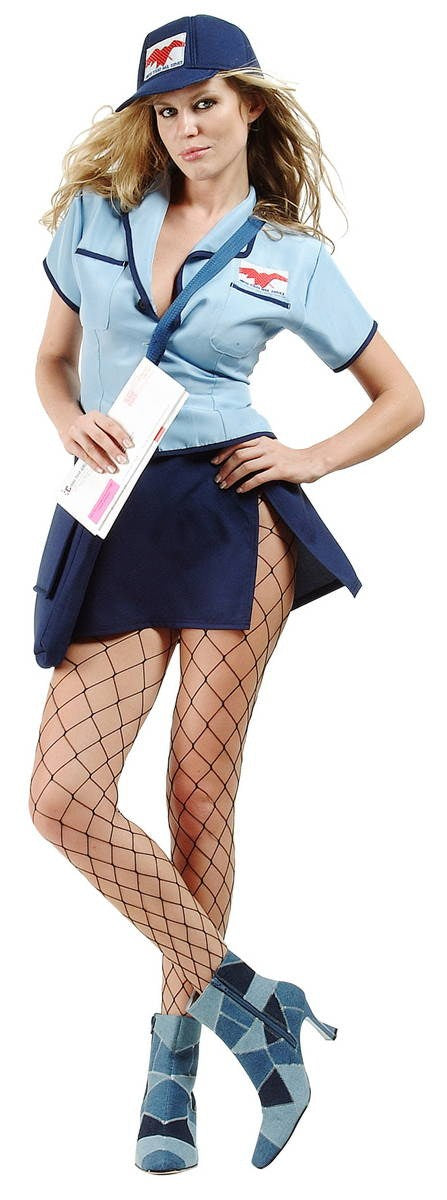
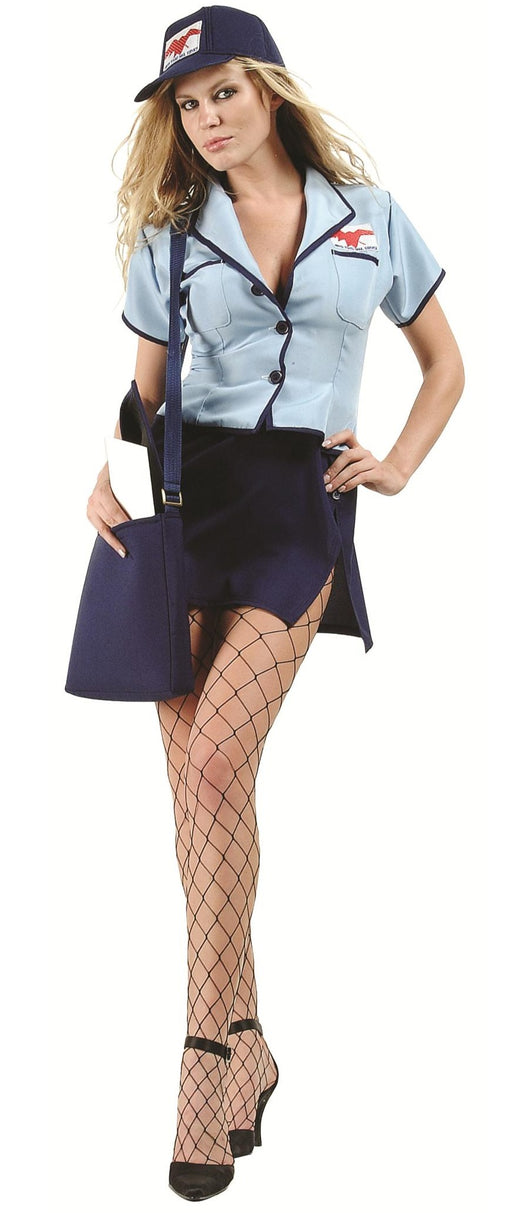
Sexy Post Office Girl | Costume-Shop.com
Low stock
Attention all aspiring letter carriers and mail enthusiasts! Prepare to deliver a package of seductive style and naughty charm with our Sexy Post O...
View full details
Original price
$28.00
-
Original price
$28.00
Original price
$28.00
$28.00
-
$28.00
Current price
$28.00


Original price
$110.95
-
Original price
$110.95
Original price
$110.95
$110.95
-
$110.95
Current price
$110.95
Northern Warrior Costume | Costume-Shop.com
Low stock
Upgrade your costume game to legendary status with the Northern Warrior Costume! Designed for rugged adventurers and fearless warriors of the North...
View full details
Original price
$110.95
-
Original price
$110.95
Original price
$110.95
$110.95
-
$110.95
Current price
$110.95
Original price
$33.60
-
Original price
$33.60
Original price
$33.60
$33.60
-
$33.60
Current price
$33.60
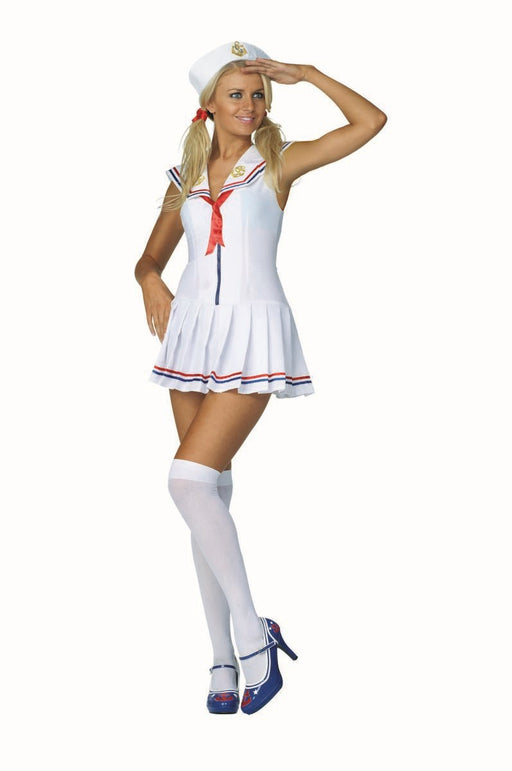
Sailor's Delight | Costume-Shop.com
Low stock
🚢 Navigate the High Seas of Fashion! Command attention at your next party with the Sailor's Delight Costume from www.Costume-shop.com. Perfect for ...
View full details
Original price
$33.60
-
Original price
$33.60
Original price
$33.60
$33.60
-
$33.60
Current price
$33.60


Original price
$97.95
-
Original price
$97.95
Original price
$97.95
$97.95
-
$97.95
Current price
$97.95
Sexy Miss Claus Costume | Costume-Shop.com
Low stock
C170Sexy Miss Claus Costume Includes:Long Robe with Fur Trim Detail, Detachable Belt, & Shorts Material:Stretch Velvet Ships From:Los Angeles S...
View full details
Original price
$97.95
-
Original price
$97.95
Original price
$97.95
$97.95
-
$97.95
Current price
$97.95
Original price
$79.73
-
Original price
$93.24
Original price
$79.73
-
$93.24
$79.73
-
$93.24
Current price
$79.73
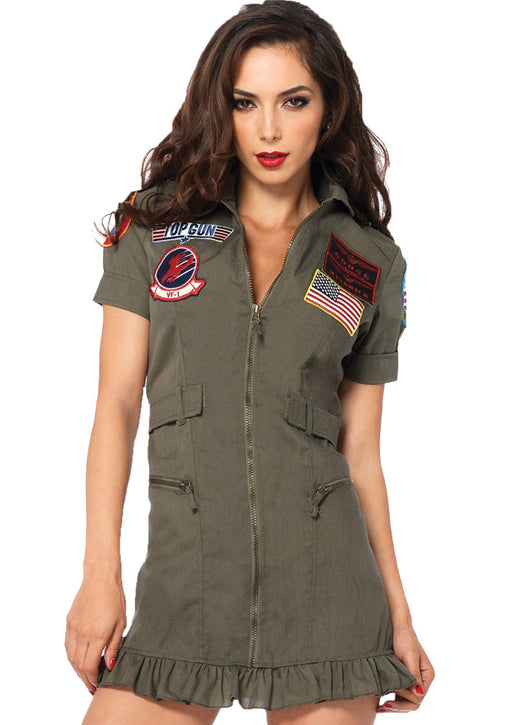
Top Gun Flight Dress | Costume-shop.com
In stock
✈️ Feel the Need for Speed! Elevate your costume game at your next party, Halloween event, or any gathering calling for a bit of high-flying action...
View full details
Original price
$79.73
-
Original price
$93.24
Original price
$79.73
-
$93.24
$79.73
-
$93.24
Current price
$79.73