Expert Support
Available 24/7 via chat
Available 24/7 via chat
Available 24/7 via chat
Available 24/7 via chat
Whether you're sewing your first Halloween costume, building an elaborate cosplay, or whipping up a quick school play outfit for your kid, one question always comes up first: what fabric should I use? Choosing the best fabric for costumes can make the difference between a build that looks polished and professional and one that falls apart mid-event.
This guide covers every major fabric type you'll encounter in the costume world — their pros, cons, ideal uses, and practical sewing tips. By the end, you'll know exactly which fabric to reach for and how to work with it successfully.
Before we dive deep, here's a handy overview of all the fabrics covered in this guide.
| Fabric | Best Costume Types | Difficulty Level | Approximate Price Range |
|---|---|---|---|
| Satin | Royalty, fantasy, formal | Intermediate | $4–$12/yard |
| Velvet / Velour | Medieval, vampire, Victorian | Intermediate | $6–$18/yard |
| Spandex / Lycra | Superhero, dancewear, bodysuits | Beginner–Intermediate | $5–$14/yard |
| Tulle / Organza | Fairy, princess, tutus | Beginner | $2–$8/yard |
| Cotton / Broadcloth | Historical, pirate, everyday | Beginner | $3–$9/yard |
| Faux Leather / Pleather | Villain, biker, sci-fi armor | Intermediate–Advanced | $6–$20/yard |
| Brocade | Renaissance, royalty, opera | Advanced | $10–$30/yard |
| Chiffon | Goddess, fairy, flowing capes | Intermediate | $4–$12/yard |
| Fleece | Animal, casual, kids' costumes | Beginner | $4–$10/yard |
| EVA Foam | Armor, props, structural pieces | Intermediate–Advanced | $8–$25/sheet |
| Faux Fur | Animal, monster, fantasy | Beginner–Intermediate | $8–$22/yard |
Satin is probably the most iconic costume fabric there is. That lustrous, silky sheen is synonymous with royalty, fantasy gowns, and theatrical glamour. Polyester satin — often called "bridal satin" or "duchess satin" — is the workhorse version: affordable, widely available, and durable enough for repeated wear.
Pros:
Cons:
Best for: Princess gowns, royal capes, fantasy robes, prom-style costumes, masquerade outfits
Sewing tips: Use a size 70/10 or 75/11 sharp (Microtex) needle. Reduce your presser foot pressure and sew slowly. Press with a low-iron setting on the wrong side, using a press cloth to avoid shine marks. Serge or French seam all edges to control fraying.
Velvet is the fabric of luxury — that deep pile gives costumes a richness that photographs beautifully and impresses in person. Stretch velour (a knit-backed velvet) is the more forgiving sibling: it's easier to sew and has enough give to skip complex fitting adjustments.
Pros:
Cons:
Best for: Vampire capes, medieval lords and ladies, Victorian mourning dress, witches, wizards, Dracula
Sewing tips: Always cut with pile running upward for the richest color. Use a walking foot to prevent layers from shifting. Avoid pressing directly — use steam from a distance or a velvet board. Size 80/12 universal needle works well for non-stretch velvet; for velour, switch to a 75/11 stretch needle.
For superhero suits, dance costumes, and any skin-tight silhouette, spandex (also marketed as Lycra or four-way stretch fabric) is the go-to choice. It hugs the body, moves with the wearer, and comes in everything from matte athletic finishes to metallic holographic prints beloved by cosplayers.
Pros:
Cons:
Best for: Superhero bodysuits (Spider-Man, Wonder Woman, Captain America), dance costumes, zentai suits, athletic-style cosplay
Sewing tips: Use a ballpoint or stretch needle (75/11 or 90/14 for heavier weights) to avoid skipped stitches. A zigzag stitch (width 1.5, length 2.5) or a lightning bolt stitch works if you don't have a serger. Avoid pinning excessively — use clips instead. Do not press spandex with a hot iron; use a low setting or steam without touching.
Tulle is the fabric of fairy tales — literally. It's the crisp, net-like material used in ballet tutus, princess skirts, and fairy wings. Organza is its more refined cousin: woven rather than knitted, slightly stiffer, and with a subtle sheen that reads as elegant rather than playful.
Pros:
Cons:
Best for: Fairy costumes, princess skirts, tutus, flower girls, Halloween ballerinas, angel wings
Sewing tips: For tulle, you can simply cut to shape — no serging needed. Use the longest stitch length available when gathering. For organza, use a very sharp needle (Microtex 70/10) and tissue paper under the seam to prevent the fabric from being pulled into the feed dogs. Press organza with a cool iron and a press cloth.
Cotton is the unsung hero of the costume world. It's breathable, easy to sew, presses beautifully, and takes dye or paint exceptionally well. Broadcloth is a smooth, tightly woven cotton (sometimes cotton-poly blend) that's perfect as a base fabric or for structured costume pieces.
Pros:
Cons:
Best for: Pirates, peasants, historical costumes, colonial or frontier outfits, everyday character cosplay, Renaissance faire garb, children's costumes
Sewing tips: A universal needle (80/12) is standard for most cotton weights. Press every seam as you sew — cotton responds beautifully to steam and stays crisp. Interface collars, cuffs, and bodice pieces for clean edges. Wash cotton before cutting to pre-shrink.
Faux leather — sometimes called pleather or PU leather — punches way above its price point for costumes. It's the material behind countless villain outfits, biker jackets, sci-fi armor underlays, and edgy character builds. Modern versions are surprisingly supple and convincing.
Pros:
Cons:
Best for: Villain costumes, biker gear, Black Widow, Catwoman, superhero armor accents, sci-fi characters, BDSM-inspired fantasy costumes, steam punk
Sewing tips: Use a leather or denim needle (90/14 or 100/16) — a standard needle will skip stitches or shred the fabric. Use a Teflon presser foot or place tissue paper under the foot to prevent sticking. Increase stitch length to 3.0–3.5 mm. Use wonder clips, not pins, to hold pieces. Seams can be hammered flat with a rubber mallet instead of pressed.
Brocade is a woven fabric with a raised, jacquard-style pattern — think gold floral motifs on a deep jewel-toned background. It's heavy, structured, and unmistakably regal. This is the fabric of renaissance fair bodices, Elizabethan doublets, and opera villain capes.
Pros:
Cons:
Best for: Renaissance and Elizabethan costumes, royalty and nobility characters, opera and theater, Dragon Age or Game of Thrones-style cosplay
Sewing tips: Use a sharp needle (80/12 or 90/14) and reduce sewing speed to prevent the needle from deflecting off thick woven threads. Interface the entire bodice for support. Clip brocade selvage tightly to prevent unraveling before you're ready to sew seams. Press lightly with steam from above — don't flatten the texture.
Chiffon is lightweight, sheer, and floaty — the ideal fabric for goddess gowns, flowing capes, fairy overlays, and anything that needs to move dramatically with the wearer. Polyester chiffon is the most affordable and practical version for costumes.
Pros:
Cons:
Best for: Greek goddess, angel, fairy queen, ethereal fantasy characters, flowing cape overlays, belly dance-inspired costumes
Sewing tips: Use a very fine needle — Microtex 65/9 or 70/10 — and shorten your stitch length to 1.5–2.0 mm. Pin within the seam allowance only, or use weights and tape instead. Cut on a flat surface (not hanging over the edge of the table). French seams are ideal for finishing — they encase the raw edge beautifully and look clean on sheer fabric.
Fleece is a beginner's best friend. It's soft, warm, doesn't fray (no serging needed!), and is extraordinarily forgiving with fit. Anti-pill fleece is widely available and comes in every color and print imaginable, including animal prints, tie-dye, and holiday patterns.
Pros:
Cons:
Best for: Animal costumes, monster suits, casual character costumes, children's Halloween costumes, holiday outfits (Santa hats, elf costumes)
Sewing tips: Use a ballpoint needle (80/12) to avoid snagging the knit loops. Lengthen your stitch slightly (2.5–3.0 mm) for a cleaner result. You can skip hemming entirely — just trim cleanly with sharp scissors or a rotary cutter. Press on the wrong side with a low iron setting, using minimal steam.
EVA foam isn't a fabric in the traditional sense, but it's an essential material in the costume maker's toolkit. Craft foam (thin sheets) and EVA foam (thicker, found in floor puzzle mats or specialty sheets) are the foundation of armor builds, weapons props, and structural costume elements in the cosplay world.
Pros:
Cons:
Best for: Armor (fantasy, sci-fi, Halo, Destiny), shields, swords and weapons props, helmet structures, Iron Man-style suit components
Sewing tips (handling tips): Score and snap thicker EVA foam with a sharp craft knife and a steel ruler. Use a heat gun to warm the foam and press it into curves — it holds the shape when cooled. Contact cement works best for bonding layers. Sand with 80-grit sandpaper, then seal with Plasti-Dip before painting. Acrylic craft paint layers over Plasti-Dip beautifully, and metallic finishes look stunning on armor builds.
Whether you're making a wolf suit, a monster costume, or a fantastical creature, faux fur transforms a basic build into something show-stopping. Modern faux fur ranges from short plush (great for animal ears and trim) to long-pile shag (for yeti and bear costumes).
Pros:
Cons:
Best for: Animal costumes (wolf, bear, fox, cat), monsters, abominable snowman, fursuit components, fantasy creatures, yeti
Sewing tips: Always cut faux fur from the back using scissors or a craft knife, parting the pile rather than cutting through it. Use a longer stitch (3.0–3.5 mm) and sew in the direction of the pile when possible. After sewing seams, use a stiff brush or seam picker to pull trapped pile out from the seam line. A walking foot prevents slipping.
Both have their place. Local fabric stores let you feel the drape and weight before buying — invaluable for fabrics like chiffon or velvet where hand-feel matters enormously. Big-box craft stores (Joann, Hobby Lobby) frequently run 40–50% off coupons that make even pricier fabrics accessible.
Online shopping shines for variety and specialty fabrics. You'll find a far wider range of spandex prints, brocade colorways, and EVA foam types online than in any local store. When buying online, always order a swatch first for any fabric where color accuracy or weight is critical — monitor colors vary, and what looks navy blue on screen might arrive closer to purple.
At The Costume Shop, we source fabrics with the costume maker in mind, so you're not digging through home dec and quilting options to find what you actually need for a build.
A general rule: always buy more than you think you need. Mistakes happen, pattern repeats need matching (especially on brocade and printed fabrics), and having leftover fabric is far better than running short mid-project.
Quick estimates for common pieces:
Always read your pattern requirements first, then add 10–15% as a buffer.
Before cutting into your main yardage, sew a small test seam on a scrap piece. This lets you dial in your stitch length, tension, and needle choice before you commit. It's especially important for slippery fabrics like satin and chiffon, and for stretch fabrics like spandex where tension settings vary by machine.
Costume builds don't have to break the bank. Here's where savvy makers shop:
Not sure where to start? Ask yourself three questions:
Choosing the best fabric for costumes is the foundation of any successful costume project — and now you've got a full playbook to work from. Whether you're crafting a princess gown, armoring up for a cosplay competition, or pulling together a quick costume for the kids, the right fabric makes every step easier and the final result more impressive.
Browse our full range of costume-ready fabrics at The Costume Shop — we've curated our selection specifically for makers like you. Have a question about which fabric is right for your project? Our team is always happy to help you find the perfect match.
Happy sewing!
Looking for more costume-making guides? Check out our other tutorials on pattern sizing, costume accessories, and cosplay prop building on the blog.
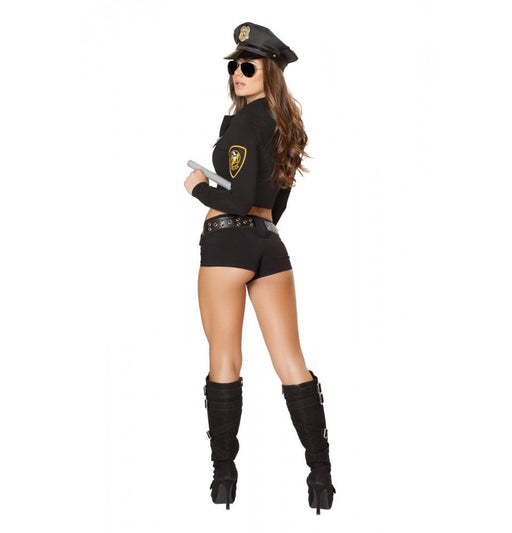
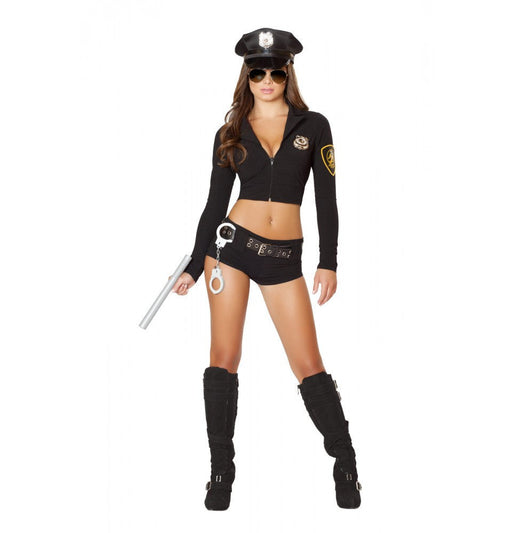
🚓 Enforce Fun with a Dash of Flair! Step into the role of authority with the Sexy Police Officer Hottie Costume. Designed for those who love a blen...
View full detailsTransform into the Cutest Insect at Your Next Halloween Bash! 🐞🌼 Get ready to charm everyone this spooky season with the Women's Daisy Bug Costume....
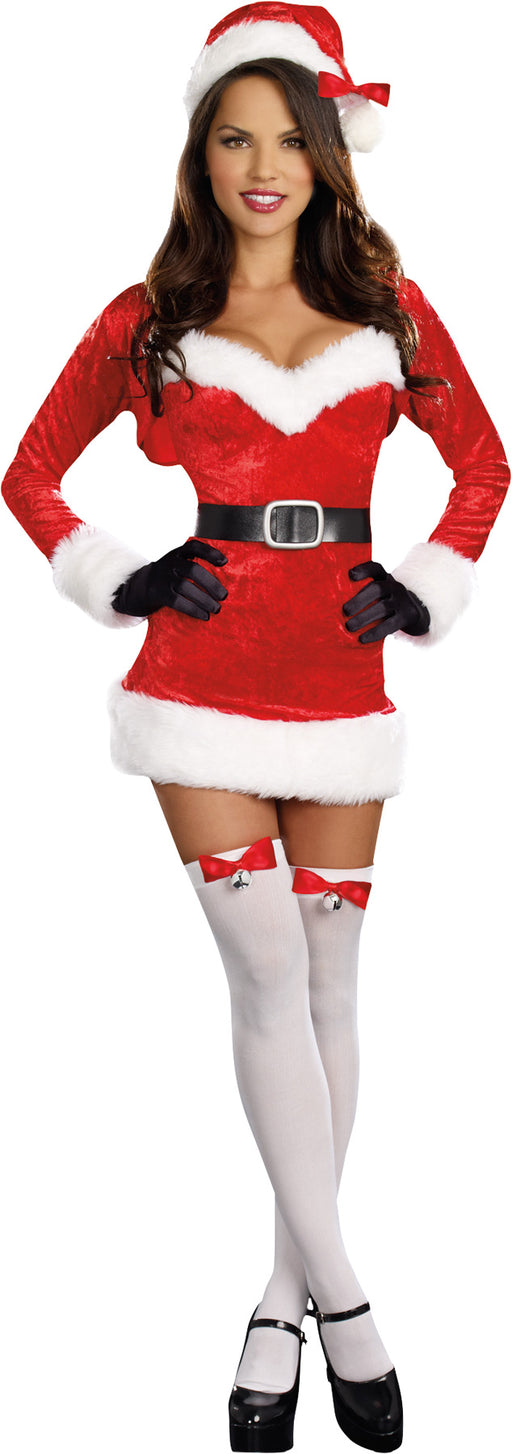
View full detailsTransform your holiday spirit into pure allure with this Santa Baby Costume, designed to bring extra sizzle to your Christmas celebrations. Whether...
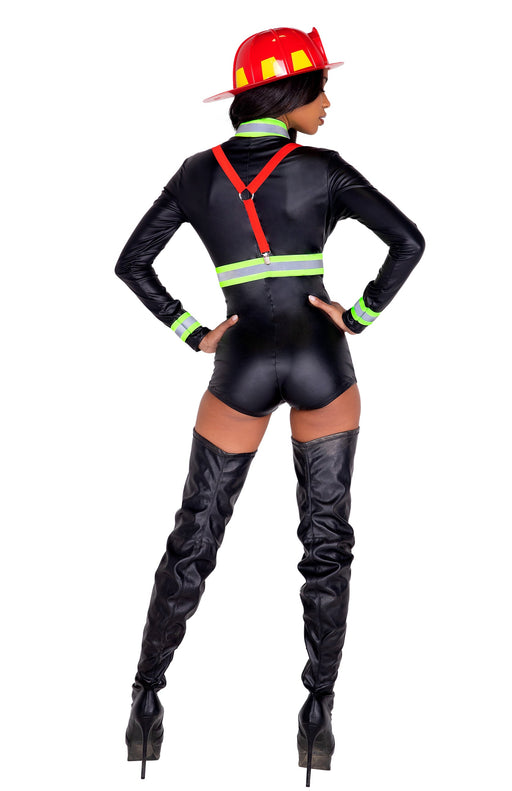
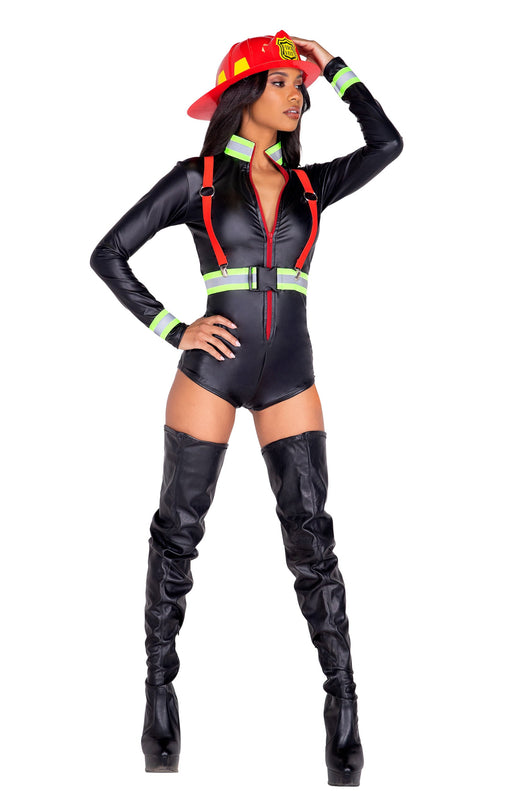
View full detailsStep Into the Role of a Heroine! Turn up the temperature and take charge with the Blazing Trails Firefighter Costume. This fiery ensemble is design...
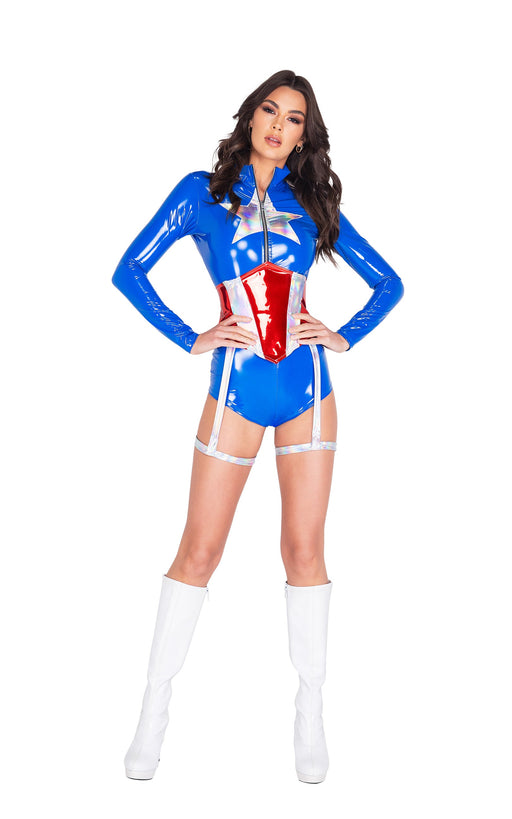
View full details🦸 Embody the Spirit of a Hero! Take command of your next costume event with America’s Superhero Captain Costume. This daring ensemble is perfect fo...
View full details